President Dissanayake Announces Private Sector Access to Sri Lanka's Power Transmission Network
A Major Shift in Energy Policy
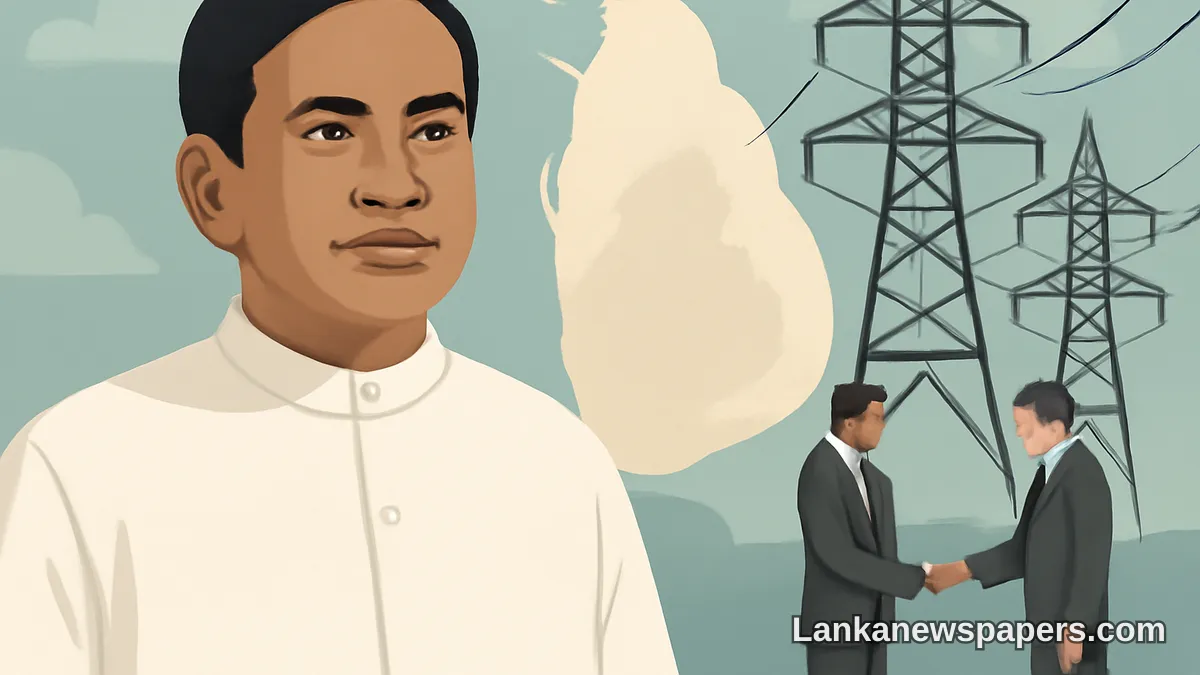
Sri Lanka is preparing to open its power transmission sector to private investment, President Anura Kumara Dissanayake has announced, marking a significant departure from the country's long-standing practice of maintaining state monopoly over electricity infrastructure.
Breaking the State Monopoly
The move signals a landmark policy shift for the island nation's energy sector, which has traditionally been dominated by the Ceylon Electricity Board (CEB), the state-run utility responsible for generation, transmission, and distribution of power across Sri Lanka. By inviting private players into the transmission segment, the government aims to modernise the national grid and attract fresh capital into a sector that has long struggled with underinvestment and inefficiency.
Why This Matters
Sri Lanka's electricity infrastructure has faced mounting pressure in recent years, with the country enduring crippling power cuts during its economic crisis. Analysts and energy sector observers have repeatedly called for structural reforms to reduce the burden on state finances and improve service reliability for consumers and businesses alike.
Opening transmission to the private sector could bring several key benefits, including:
- Increased capital investment in ageing grid infrastructure
- Improved efficiency in power delivery across the national network
- Reduced fiscal pressure on state institutions such as the CEB
- Greater competition and accountability within the energy sector
Part of a Broader Reform Agenda
The announcement is consistent with the Dissanayake administration's wider economic reform programme, which has emphasised restructuring loss-making state enterprises and attracting private and foreign investment to drive sustainable growth. The energy sector has been identified as a priority area, given its central role in supporting industrial productivity and everyday life.
Sri Lanka's power sector reforms are being closely watched by international lenders and investors as a litmus test of the government's commitment to structural economic change.
What Comes Next
Further details regarding the regulatory framework, licensing conditions, and the timeline for private sector entry into power transmission are yet to be formally announced. Industry stakeholders, including independent power producers and foreign energy firms, are expected to follow developments closely as the government works to translate this policy direction into concrete legislation and implementation plans.
For Sri Lankan businesses and consumers, the success of this initiative could ultimately determine whether the country achieves a more stable, affordable, and resilient electricity supply in the years ahead.


💬 Join the Discussion 2
See what readers are saying — and add your view.
finally some competition, maybe bills will go down for once
dont count on it, they will find way to charge more guaranteed