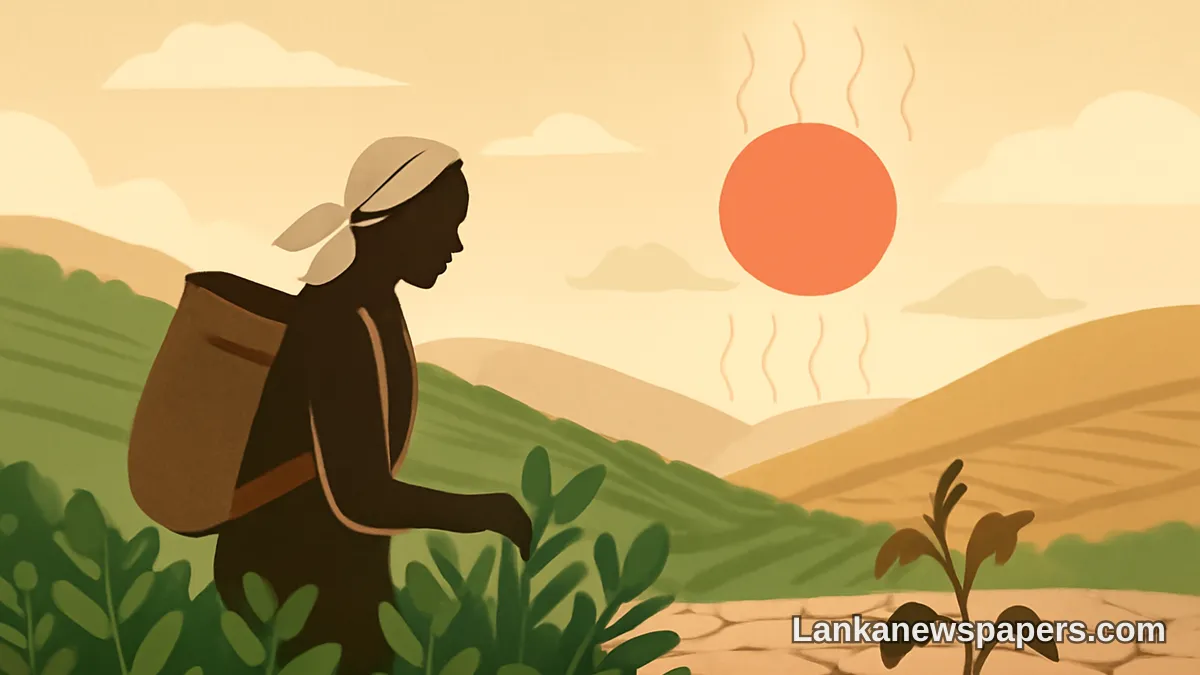
Sri Lanka's Tea Research Institute (TRI) has issued a stark warning about the looming threat posed by the El Niño weather phenomenon to the country's tea cultivation sector, raising serious concerns about the future of one of the island nation's most vital industries.
A Critical Warning for the Tea Sector
The TRI, the leading authority on tea research and development in Sri Lanka, has cautioned that the intensifying effects of El Niño could trigger a significant crisis within tea-growing regions across the country. The weather pattern, known for bringing prolonged dry spells and erratic rainfall, poses a direct threat to the delicate conditions required for healthy tea crop growth.
Sri Lanka's tea industry is a cornerstone of the national economy, generating billions of rupees in export revenue annually and providing livelihoods for hundreds of thousands of workers, particularly in the hill country estates of Nuwara Eliya, Kandy, and Badulla districts.
What El Niño Means for Tea Crops
El Niño conditions typically result in reduced rainfall and elevated temperatures across South Asia, both of which are highly detrimental to tea cultivation. Tea plants require consistent moisture and moderate temperatures to thrive, and prolonged drought conditions can stunt growth, reduce yields, and in severe cases, cause permanent damage to tea bushes.
- Reduced rainfall threatens consistent crop yields across major growing regions
- Higher temperatures can affect the quality and flavour profile of harvested tea leaves
- Smallholder tea farmers are considered especially vulnerable due to limited resources for adaptation
- Water scarcity in plantation areas could compound existing challenges faced by estate workers
Industry Stakeholders Urged to Act
The TRI's warning serves as a timely reminder for plantation companies, smallholder farmers, and policymakers to take proactive measures in safeguarding the sector. Experts recommend that growers explore water conservation strategies, drought-resistant cultivation practices, and shade management techniques to mitigate the worst effects of the anticipated dry conditions.
Sri Lanka's tea industry cannot afford complacency in the face of climate-driven threats — early action and adaptive strategies will be essential to protecting both crop output and the livelihoods that depend on it.
Sri Lanka is one of the world's largest exporters of tea, and any significant disruption to production could have far-reaching consequences not only for the national economy but also for global tea supply chains. The government and industry bodies are expected to work closely with the TRI to develop a coordinated response to the emerging threat.
As the effects of El Niño continue to unfold across the region, the TRI's advisory underscores the growing urgency with which climate change and extreme weather patterns must be addressed within Sri Lanka's agricultural planning framework.



💬 Join the Discussion 3
See what readers are saying — and add your view.
how long TRI been warning about this? anyone listening?
this is serious men, tea is our whole economy almost
goverment will just watch and do nothing as usual