Iran Lashes Out at Saudi-Pakistan-Turkey Defence Alliance as Regional Pact Takes Hold
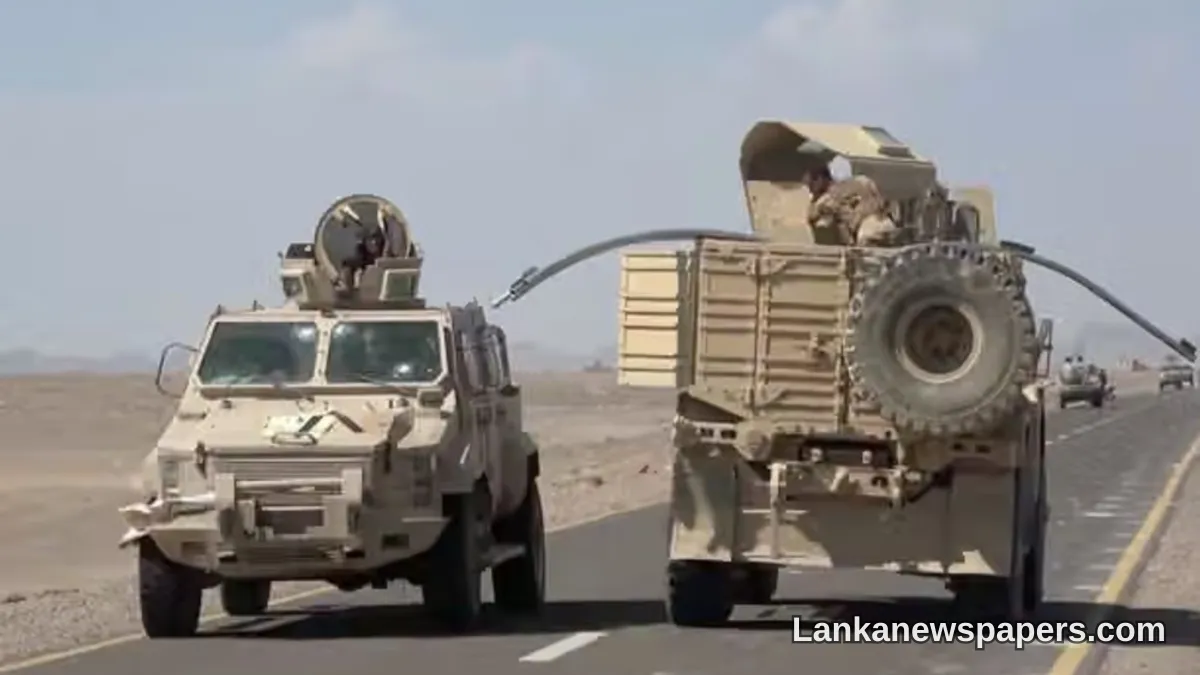
Tehran escalates rhetoric as trilateral security arrangement becomes operational
Iran has intensified its criticism of a newly operational defence pact between Saudi Arabia, Pakistan, and Turkey, raising alarms over what it describes as a dangerous shift in regional security dynamics — particularly with respect to the ongoing conflict in Yemen.
The Iranian government sharpened its tone following the formal activation of the trilateral arrangement, voicing strong opposition to what it sees as an alliance that could facilitate foreign military intervention in the war-torn Arabian Peninsula nation.
Tehran Warns Against Yemen Interference
Iranian officials issued pointed warnings directed at the member states of the pact, cautioning against any moves that could deepen outside involvement in Yemen, where a protracted conflict has drawn in regional powers on opposing sides. Iran has long backed the Houthi movement in Yemen, while Saudi Arabia leads a coalition against them.
The activation of the Saudi-Pakistan-Turkey arrangement is seen by Tehran as a direct challenge to its influence across the Middle East and broader Muslim world. Iran views the grouping with particular suspicion given the longstanding rivalries between Tehran and Riyadh, which have frequently played out through proxy conflicts across the region.
A Shifting Regional Landscape
The defence pact brings together three significant Muslim-majority nations, each carrying considerable military and diplomatic weight:
- Saudi Arabia, the dominant Gulf power and leader of the anti-Houthi coalition in Yemen
- Pakistan, which possesses one of the largest standing armies in the world and nuclear capabilities
- Turkey, a NATO member with an increasingly assertive foreign policy posture across the Middle East and beyond
The combination of these three nations within a formal security framework marks a notable development in regional geopolitics, one that analysts say Iran cannot afford to ignore.
Implications for Regional Stability
The emergence of the pact adds yet another layer of complexity to an already volatile region. Tensions between Iran and Saudi Arabia have historically served as a fault line running through Middle Eastern politics, drawing in other nations and shaping alliances across the Islamic world.
Iran's reaction underscores deep anxieties in Tehran about being encircled by an increasingly coordinated bloc of rival states, at a time when its own regional standing faces mounting pressure.
Observers note that Pakistan's involvement is particularly significant, given Islamabad's historical efforts to maintain balanced relations with both Riyadh and Tehran. Pakistan's formal entry into a Saudi-anchored defence arrangement signals a potential tilt that could complicate its diplomatic posture toward its neighbour Iran, with whom it shares a lengthy and at times troubled border.
As the pact moves from paper to practice, the coming weeks are expected to bring further diplomatic manoeuvring, with Iran likely to press its objections through regional and international forums while watching closely for any signs of military coordination that could alter the balance of power in Yemen and beyond.



💬 Join the Discussion 1
See what readers are saying — and add your view.
Middle east going to explode again. poor Yemen ppl always suffering