Sri Lanka Uses Less Than 30% of Capital Budget in First Nine Months of 2026, Sources Say
Capital Expenditure Execution Raises Concerns
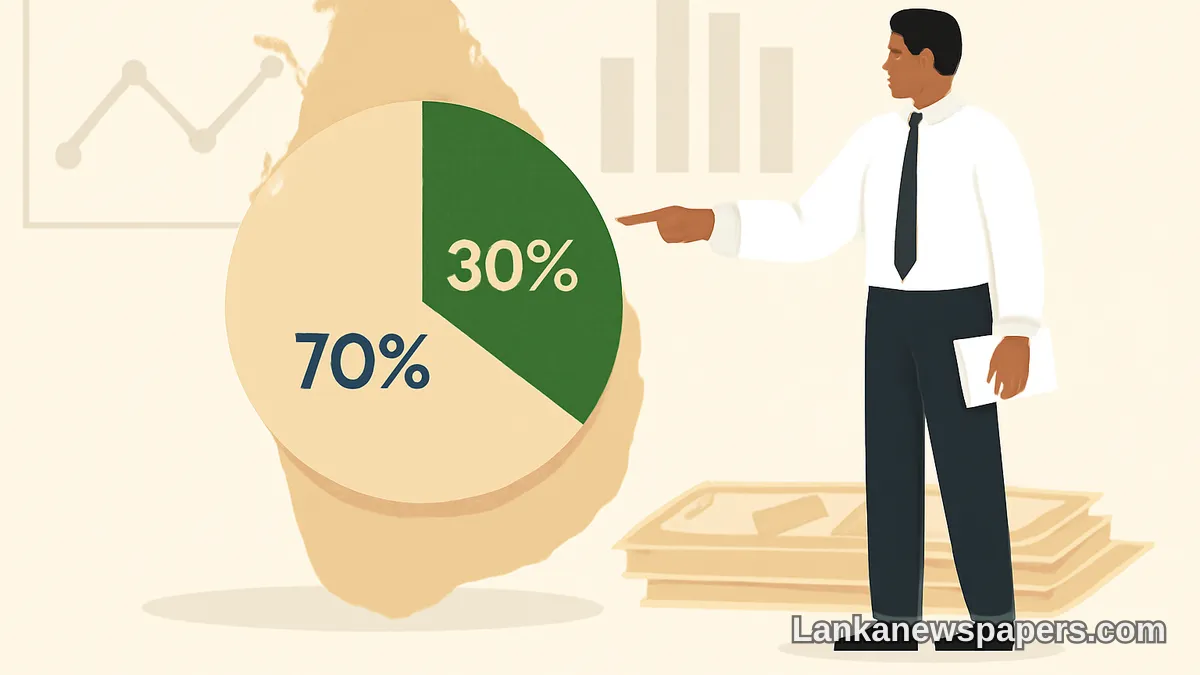
Sri Lanka has utilised less than 30 percent of its allocated capital expenditure budget for 2026 through the end of September, according to sources familiar with government financial data, raising fresh concerns about the pace of public investment and infrastructure development in the country.
Sluggish Spending Pattern
The figures suggest that with only three months remaining in the fiscal year, the government faces a significant challenge in deploying the remaining budgeted funds in a meaningful and effective manner. Such low execution rates in capital spending have been a recurring issue for Sri Lanka, often resulting in funds being rolled over or left unspent at year end.
Capital expenditure typically covers investment in infrastructure, public works, and development projects that are considered critical to driving long-term economic growth and improving public services. Underperformance in this area can have a dampening effect on economic activity, particularly at a time when Sri Lanka is working to consolidate its recovery from the severe economic crisis of recent years.
Implications for Economic Recovery
Analysts have long pointed to weak capital budget execution as one of the structural weaknesses in Sri Lanka's public financial management. The ability to plan, approve, and implement development projects efficiently is seen as essential not only for growth but also for maintaining the confidence of international creditors and development partners who have been supporting the country's ongoing debt restructuring and reform programme.
With the International Monetary Fund closely monitoring Sri Lanka's fiscal performance as part of its extended loan arrangement, the government will be under pressure to demonstrate improved budget discipline and execution capacity across all spending categories.
Year-End Rush a Risk
A low execution rate through September also heightens the risk of a poorly managed year-end spending surge, where funds are disbursed hastily in the final quarter without adequate oversight, potentially compromising the quality and value of public investments.
Government authorities had not issued an official public statement on the capital spending figures at the time of reporting. Sources indicated that the data reflects returns compiled from line ministries and implementing agencies across the public sector.



💬 Join the Discussion 2
See what readers are saying — and add your view.
every year same story. money allocated, nothing built. pathetic.
true men, roads in my area still same pothole from 2022.