Shiranthi Wickremesinghe Jailed as Sri Lanka Intensifies Anti-Corruption Campaign
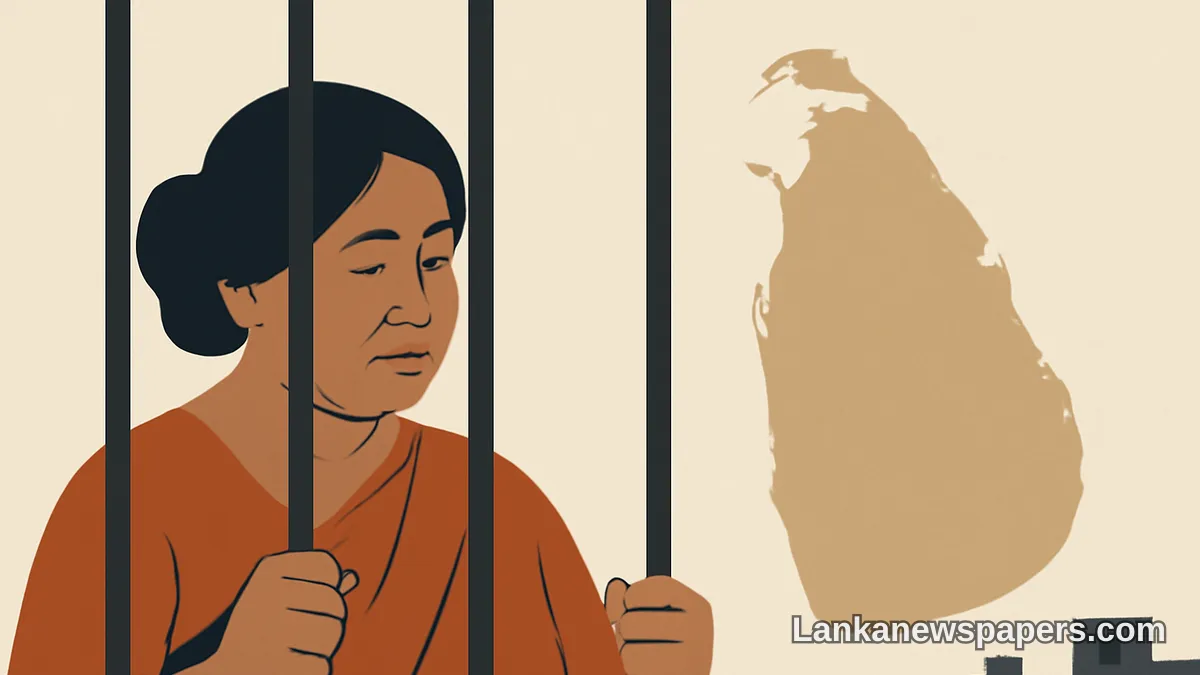
Former First Lady Sentenced Amid Broader Crackdown on Graft
Sri Lanka's anti-corruption drive has reached a significant milestone with the imprisonment of Shiranthi Wickremesinghe, wife of former President Ranil Wickremesinghe, marking one of the most high-profile cases to emerge from the island nation's intensifying campaign against financial misconduct and abuse of power.
A Signal to the Political Elite
The jailing of the former First Lady sends a strong message that Sri Lanka's authorities are willing to pursue corruption cases regardless of a suspect's social standing or political connections. Analysts and civil society groups have long called for accountability at the highest levels of government, and this development suggests that pressure for reform is beginning to yield tangible results.
Growing Momentum Against Corruption
Sri Lanka has faced mounting public frustration over corruption, which many citizens blame for contributing to the country's devastating economic crisis in recent years. The government's escalating anti-graft measures reflect an attempt to restore public confidence in state institutions and demonstrate that no individual is above the law.
- The case against Shiranthi Wickremesinghe represents one of the most prominent prosecutions under the current anti-corruption push.
- Her imprisonment is expected to signal the seriousness of ongoing investigations targeting powerful figures.
- Watchdog groups have cautiously welcomed the development while urging consistency across all cases.
Public Reaction
Reaction among the Sri Lankan public has been largely one of cautious optimism. Many ordinary citizens, still feeling the economic burden of recent years, have expressed hope that the sentencing represents a genuine shift in how the country handles corruption rather than a selective exercise of justice.
Civil society observers have noted that sustainable anti-corruption reform requires not only high-profile convictions but also systemic changes to transparency and governance structures.
As Sri Lanka continues to navigate its path toward economic recovery and institutional reform, the Shiranthi case is likely to remain a defining chapter in the country's unfolding effort to hold its leadership class accountable.



💬 Join the Discussion 2
See what readers are saying — and add your view.
Finally some action. But will it actually stick or just fade away like always?
Exactly my point. Remember what happened with the bond scam ppl? Nothing.