Sri Lanka's Rooftop Solar Revolution: How a Thriving Clean Energy Dream Was Abruptly Shut Down
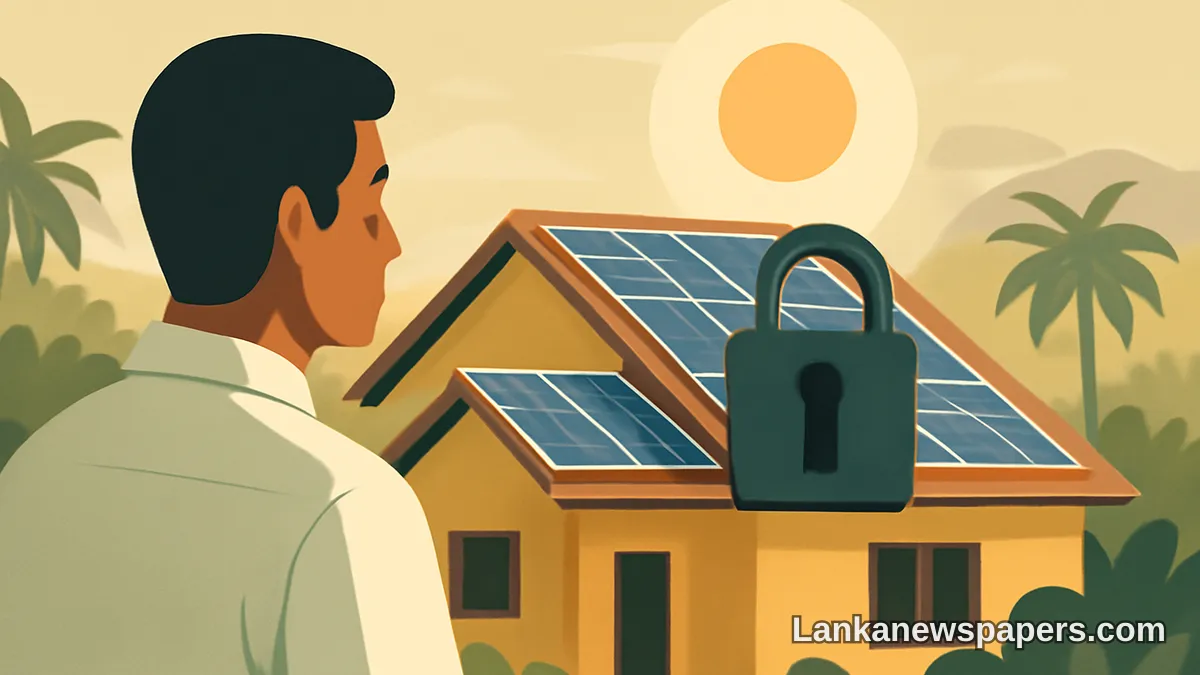
Sri Lanka had quietly built one of South Asia's most promising rooftop solar energy programmes — a grassroots clean energy movement that saw thousands of households and businesses invest in solar panels, feed surplus power back into the national grid, and reduce their dependence on costly imported fuel. Then, almost without warning, the government effectively pulled the plug on its future.
A Programme That Delivered Real Results
Over the past decade, Sri Lanka's net metering scheme became a genuine success story. Under the arrangement, solar panel owners could export excess electricity they generated back to the Ceylon Electricity Board (CEB), offsetting their bills and earning credits for their contribution to the national grid. For many middle-class families and small businesses, the investment paid off handsomely — reducing electricity costs significantly while contributing to the country's renewable energy ambitions.
At its peak, the programme had connected tens of thousands of rooftop solar installations across the island, collectively generating a meaningful share of the country's daytime electricity needs. Advocates praised it as a rare policy win — one that aligned consumer incentives with national energy security goals.
The Sudden Policy Reversal
The optimism, however, came to a jarring halt when authorities announced drastic changes to the net metering framework. New applicants would no longer enjoy the same favourable terms that had made rooftop solar an attractive proposition. The shift sent shockwaves through the renewable energy sector, leaving installers, investors, and prospective solar adopters deeply uncertain about the road ahead.
Industry stakeholders argue the decision was made abruptly, with little meaningful consultation with the private sector or the public. Many who were in the process of planning solar installations found themselves stranded, their financial calculations rendered obsolete overnight.
The CEB's Position and Grid Concerns
Officials from the CEB and the energy ministry have pointed to technical challenges as justification for the policy shift. Grid stability concerns, they argue, have grown alongside the rapid uptake of rooftop solar — particularly during peak generation hours when excess solar power can create imbalances in the national electricity network.
There are also financial dimensions to the debate. Critics of the original net metering scheme contend that the tariff structure placed an unfair burden on the CEB, which was already struggling under enormous financial losses. Compensating solar users at relatively high rates while the utility itself haemorrhaged money was, in their view, unsustainable.
Industry and Consumer Backlash
The renewable energy industry has pushed back hard against this narrative. Solar installers report a dramatic collapse in new orders following the announcement, threatening jobs and investment that had been carefully built up over years. Many argue that the government is sacrificing long-term energy independence for short-term financial convenience.
- Thousands of existing solar panel owners remain uncertain about the long-term value of their investments.
- New applicants to the net metering scheme face far less attractive terms than their predecessors.
- Private sector solar companies report a sharp drop in business inquiries and project pipelines.
- Environmental advocates warn the move undermines Sri Lanka's stated commitments to renewable energy targets.
A Missed Opportunity for Energy Security?
The timing of the reversal has struck many observers as particularly unfortunate. Sri Lanka is still recovering from the devastating economic crisis of 2022, during which crippling fuel shortages led to hours-long power cuts that paralysed daily life. Rooftop solar had been widely celebrated as one of the few buffers that helped some households weather those dark months — quite literally keeping the lights on when the grid could not.
For a country that imports the vast majority of its fossil fuels at great expense to its foreign reserves, discouraging locally generated renewable energy appears, to many experts, to be a step in precisely the wrong direction.
What Comes Next?
Energy policy analysts are now calling on the government to develop a transparent, long-term framework for rooftop solar that addresses legitimate grid management concerns without killing consumer and investor confidence. They argue that solutions exist — including revised tariff structures, battery storage incentives, and smarter grid management — that could preserve the programme's benefits while addressing the CEB's financial pressures.
For now, Sri Lanka's rooftop solar story stands as a cautionary tale about how quickly policy uncertainty can unravel years of carefully cultivated progress. Whether the government chooses to course-correct, or whether this marks the end of a promising chapter in the country's clean energy journey, remains to be seen.



💬 Join the Discussion 0
Be the first to share your view on this story.