Government Scrambles to Contain Fallout After Controversy Over Buddhist Monk's Robe

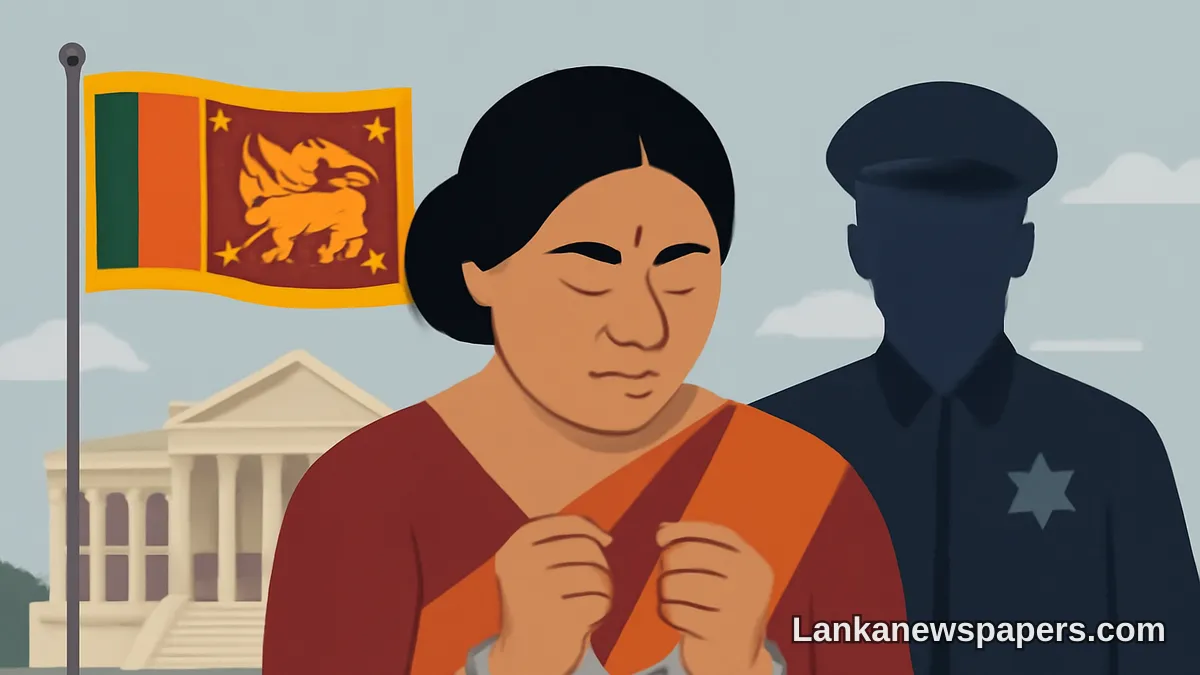
The Sri Lankan government has been pushed into emergency damage-control mode following a significant public uproar surrounding a controversy involving a Buddhist monk's robe, an issue that has struck a deeply sensitive cultural and religious nerve across the island nation.
A Nation on Edge Over Religious Sentiments
The incident, which quickly escalated beyond a minor dispute into a full-blown political flashpoint, has drawn sharp criticism from religious leaders, members of the public, and opposition politicians alike. In a country where Buddhism holds a central place in national identity and is afforded constitutional recognition, any perceived slight against the clergy or its sacred traditions is rarely taken lightly.
The controversy surrounding the monk's robe — a garment of profound symbolic and spiritual significance in Theravada Buddhist tradition — ignited widespread condemnation and prompted urgent calls for the government to respond decisively.
Government Moves to Limit Political Damage
Senior government officials wasted little time in attempting to quell the growing public anger, issuing statements and engaging with religious authorities in an effort to demonstrate respect for Buddhist sensitivities. The administration appeared acutely aware of the potential political cost of being seen as indifferent to an issue touching on the faith of the majority of Sri Lankans.
The episode has once again highlighted the delicate balance governments in Sri Lanka must maintain when navigating matters that intersect religion, culture, and politics — a balancing act that has historically proven treacherous for those in power.
Opposition and Religious Leaders Pile On
Opposition parties were quick to seize upon the government's apparent discomfort, accusing the ruling administration of failing to act with sufficient sensitivity toward Buddhist traditions from the outset. Religious leaders, too, voiced their displeasure, underscoring the gravity with which the monastic community and its lay supporters viewed the matter.
- Buddhist clergy representatives publicly expressed concern over the incident
- Opposition politicians called for a formal explanation from the government
- Civil society voices weighed in, reflecting the broad public interest in the controversy
Broader Implications for the Government
Analysts note that controversies of this nature can carry significant political weight in Sri Lanka, particularly at a time when the government is already navigating a complex economic and social landscape. Being perceived as dismissive of Buddhist values — even unintentionally — can translate into tangible electoral and public relations consequences.
The robe of a Buddhist monk is not merely a piece of cloth; it is a symbol of renunciation, discipline, and spiritual authority deeply revered by millions of Sri Lankans.
As the government continues its efforts to manage the fallout, observers will be watching closely to see whether its damage-control measures prove sufficient to restore public confidence and calm the religious sensitivities that have been stirred by the episode.
💬 Join the Discussion 3
See what readers are saying — and add your view.
Which monk, what robe? Article says nothing useful lol.
Goverment has nothing better to do than worry about a robe?
Exactly, fuel prices still high and this is the priority.