How India's 'Neighbourhood First' Policy Shaped Sri Lanka's Path Out of the Debt Crisis
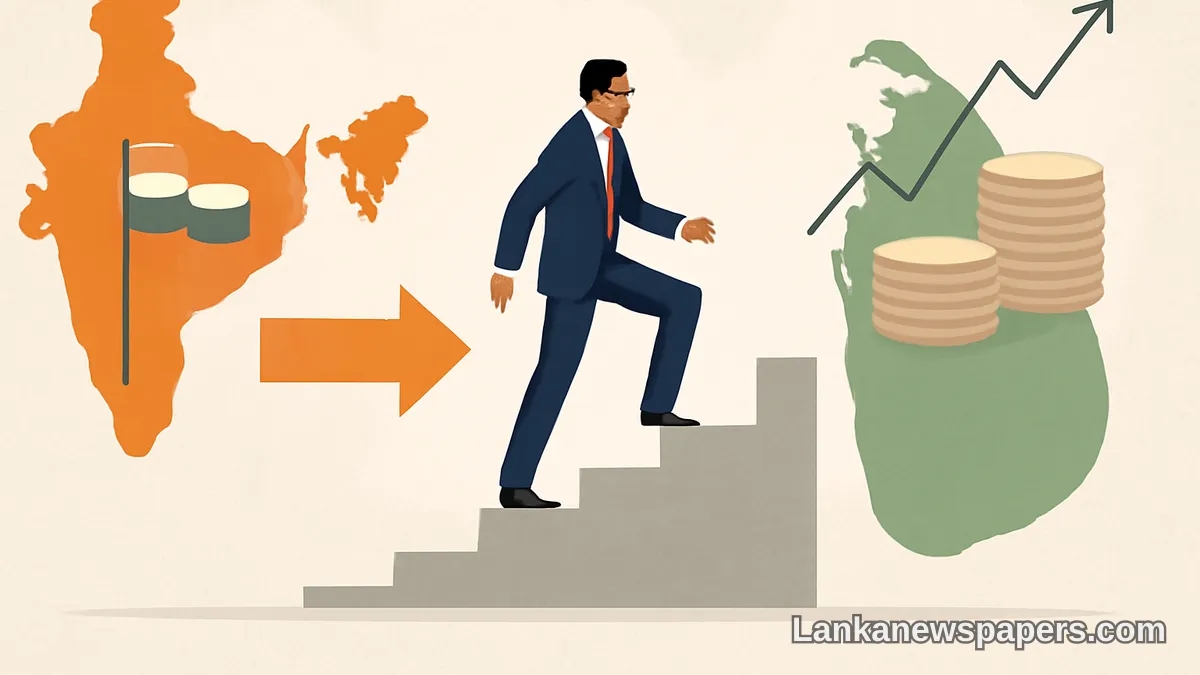
When Sri Lanka descended into its worst economic crisis in modern history, it was India that stepped forward first — and most decisively. A closer look at New Delhi's role in Colombo's debt restructuring journey reveals how geopolitical strategy and regional solidarity converged at a critical moment for the island nation.
The Crisis and India's Early Response
Sri Lanka's economic collapse in 2022 left the country unable to service its foreign debt, triggering fuel shortages, medicine scarcity, and widespread civil unrest. As the government scrambled for relief, India moved swiftly under its longstanding Neighbourhood First Policy — a strategic doctrine that prioritises engagement with South Asian neighbours as a cornerstone of Indian foreign policy.
New Delhi extended over four billion US dollars in credit lines, currency swaps, and commodity assistance to Sri Lanka at the height of the crisis, providing a crucial financial lifeline before International Monetary Fund support was formalised. This early intervention helped stabilise essential imports and prevented a complete collapse of the country's supply chains.
A Key Player in the Debt Restructuring Process
India's involvement did not end with emergency relief. As Sri Lanka entered formal debt restructuring negotiations with its creditors, India played a notable role within the Official Creditor Committee, working alongside countries such as France and Japan. Analysts have pointed to India's early commitment to restructuring terms as helping to build confidence among other bilateral lenders and multilateral institutions.
This positioning also reflected New Delhi's broader strategic interest in ensuring a stable, economically viable Sri Lanka — particularly amid ongoing competition for regional influence in the Indian Ocean.
Neighbourhood First: Strategy Meets Solidarity
The Neighbourhood First Policy, which has guided Indian foreign engagement since the government of Prime Minister Narendra Modi came to power, emphasises closer economic integration, people-to-people ties, and political cooperation with neighbouring states. Sri Lanka's crisis offered New Delhi both an opportunity and a test of that commitment.
- India provided emergency credit lines worth over one billion US dollars for essential imports including fuel, food, and medicines.
- A currency swap arrangement under the SAARC framework offered additional balance-of-payments support.
- Concessional credit for fuel purchases from Indian Oil Corporation provided immediate relief to Sri Lankan consumers.
- India supported Sri Lanka's IMF programme by signalling early agreement to debt treatment principles.
Criticism and Complexity
Despite the goodwill generated, India's role has not been without scrutiny. Some analysts and opposition voices in Sri Lanka have raised questions about the long-term economic implications of deepening financial ties with New Delhi, including concerns about conditionalities attached to project-linked credit lines and the pace of Indian investment in strategic sectors.
India's assistance was undeniably timely, but Sri Lanka must ensure that the terms of engagement serve its own national interests over the long run, not merely immediate crisis management.
Others, however, argue that without India's early and substantial intervention, Sri Lanka's path to an IMF agreement would have been significantly delayed, prolonging the suffering of ordinary citizens.
Looking Ahead
As Sri Lanka continues its IMF-backed recovery programme and works to rebuild economic resilience, the nature of its relationship with India is expected to deepen. Proposed connectivity projects, trade agreements, and investment partnerships are all on the table as both nations look to translate crisis-era cooperation into a more structured, long-term economic partnership.
For Sri Lanka, the lesson of the past two years is clear — regional partnerships, when genuine and timely, can make the difference between economic collapse and recovery. India's Neighbourhood First Policy, whatever its strategic underpinnings, delivered real and tangible support when it was needed most.



💬 Join the Discussion 1
See what readers are saying — and add your view.
India helped yes but dont forget they also have their own interests here