US Government Report Paints Grim Picture of Sri Lanka's Foreign Investment Climate
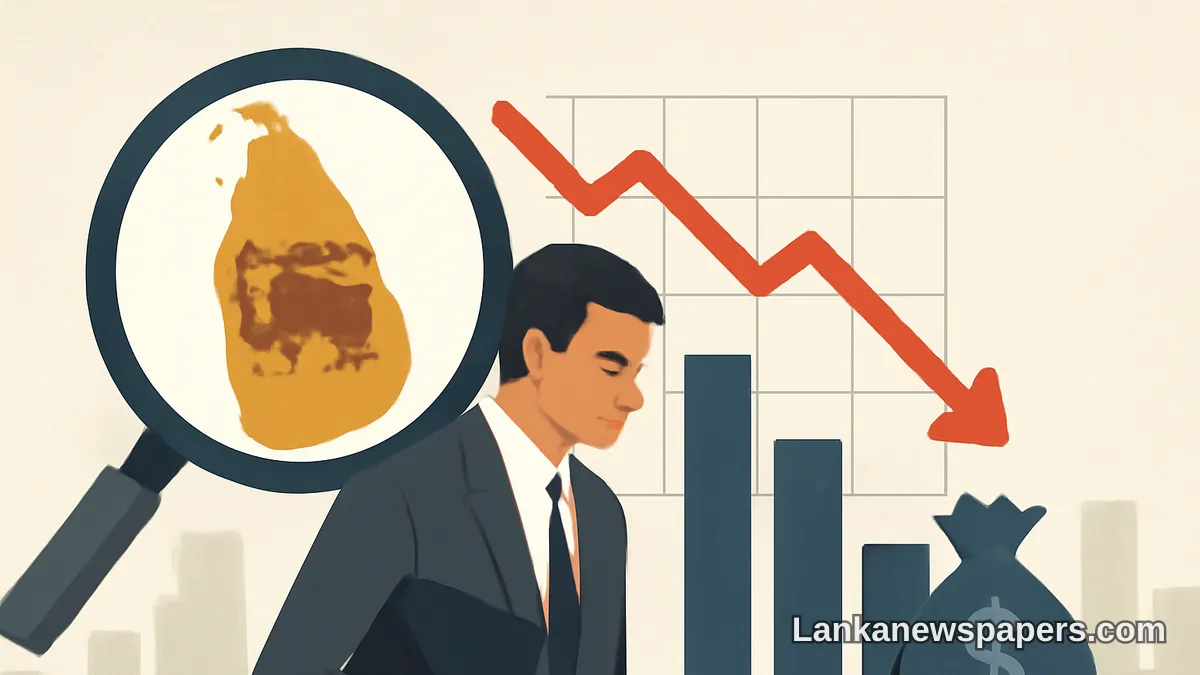
A recently released report by the United States government has delivered a sobering assessment of Sri Lanka's standing as a destination for foreign direct investment (FDI), highlighting persistent structural weaknesses that continue to deter international investors from committing capital to the island nation.
A Damning Verdict from Washington
The US report places Sri Lanka among destinations where the investment environment remains deeply challenging, citing a range of concerns that have long plagued the country's economic landscape. The findings serve as a stark reminder that despite recent efforts by Colombo to stabilise the economy following the devastating 2022 financial crisis, significant obstacles remain for foreign businesses seeking to establish or expand operations in Sri Lanka.
Key Concerns Raised in the Report
The assessment points to several recurring issues that undermine investor confidence, including:
- Weak regulatory frameworks and inconsistent enforcement of business laws
- Lack of transparency in government procurement and licensing processes
- Concerns over corruption and the rule of law
- Bureaucratic inefficiencies that slow down business operations
- Unpredictability in policy direction affecting long-term investment planning
A Critical Moment for Sri Lanka's Recovery
The timing of this report is particularly significant. Sri Lanka is currently in the midst of an IMF-backed economic recovery programme and has been actively courting foreign investors as a cornerstone of its rebuilding strategy. The government has repeatedly emphasised its commitment to structural reforms and improved governance as part of efforts to restore creditor and investor confidence.
The US report's findings suggest that on-the-ground realities have yet to fully align with the reform narrative being promoted by Colombo on the international stage.
Implications for Sri Lanka's Investment Drive
For a country that desperately needs foreign capital to fuel economic growth, generate employment, and rebuild depleted foreign exchange reserves, such assessments from major economic powers carry considerable weight. The United States remains one of the world's largest sources of outbound investment, and a negative appraisal from Washington could influence the decisions of not only American corporations but also other international investors who rely on such evaluations.
Sri Lankan authorities have yet to formally respond to the report's specific findings. However, economic analysts stress that the government must move beyond rhetoric and accelerate tangible reforms in areas such as judicial independence, anti-corruption measures, and regulatory clarity if it hopes to meaningfully improve the country's appeal to foreign investors.
As Sri Lanka navigates one of the most consequential periods in its modern economic history, reports of this nature underscore the urgency of transforming institutional culture and governance practices — not merely as a matter of international reputation, but as a fundamental requirement for sustainable recovery.



💬 Join the Discussion 3
See what readers are saying — and add your view.
US report means nothing, they have their own agenda no
no surprise la, who wants to invest here with all this uncertainty
exactly, even local businessmen running away to australia