Sri Lanka's Aswesuma Programme to Lift 200,000 Beneficiaries Out of Dependency in 2025
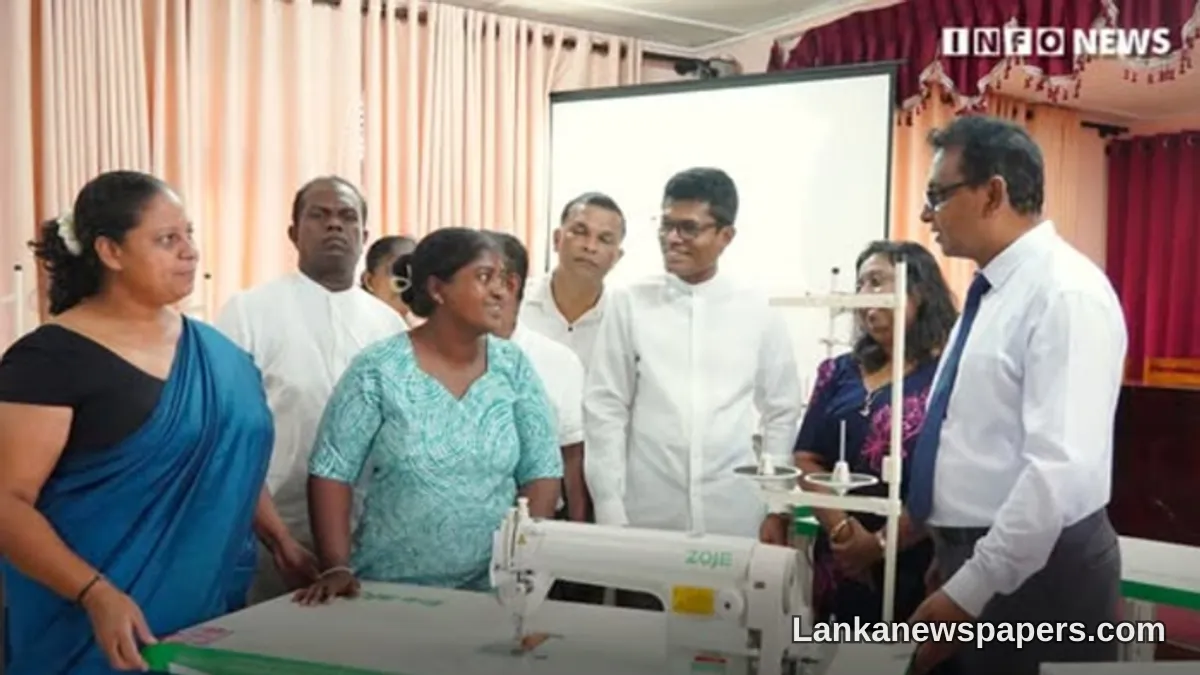
The Sri Lankan Government has set an ambitious target to economically and socially empower close to 200,000 beneficiaries of the Aswesuma welfare scheme before the end of this year, according to the Minister of Rural Development and Social Security.
Moving Beyond Welfare Dependency
The initiative signals a significant policy shift in how the Government approaches social protection — moving away from straightforward cash transfers towards a model that actively works to build the financial independence and social stability of low-income households registered under the programme.
Rather than simply maintaining recipients on the welfare rolls, authorities are now focused on equipping beneficiaries with the tools, skills, and opportunities they need to sustain themselves without long-term government assistance.
What the Programme Aims to Achieve
- Economic upliftment of nearly 200,000 Aswesuma-registered individuals and families within 2025
- Social empowerment through structured support mechanisms targeting vulnerable communities
- A gradual reduction in welfare dependency by transitioning beneficiaries into self-sufficient livelihoods
Aswesuma's Role in Sri Lanka's Social Safety Net
Aswesuma was introduced as a reformed social welfare programme designed to replace earlier, less targeted schemes. It categorises recipients based on their level of vulnerability and provides tiered financial assistance accordingly. The programme has been central to the Government's broader strategy to provide relief to low-income Sri Lankans struggling in the aftermath of the country's severe economic crisis.
However, officials have made clear that the long-term vision for Aswesuma is not to create a permanently dependent beneficiary base, but rather to use the programme as a stepping stone toward genuine economic inclusion.
A Critical Year for Social Policy
With Sri Lanka still navigating its economic recovery, the Government's pledge to empower 200,000 households this year will be closely watched by policymakers, civil society groups, and international development partners alike. Delivering on this target would represent a meaningful milestone in the country's efforts to rebuild not just its economy, but the livelihoods of its most vulnerable citizens.
Further details on the specific empowerment programmes, funding allocations, and implementation timelines are expected to be announced by the Ministry of Rural Development and Social Security in the coming weeks.

💬 Join the Discussion 0
Be the first to share your view on this story.