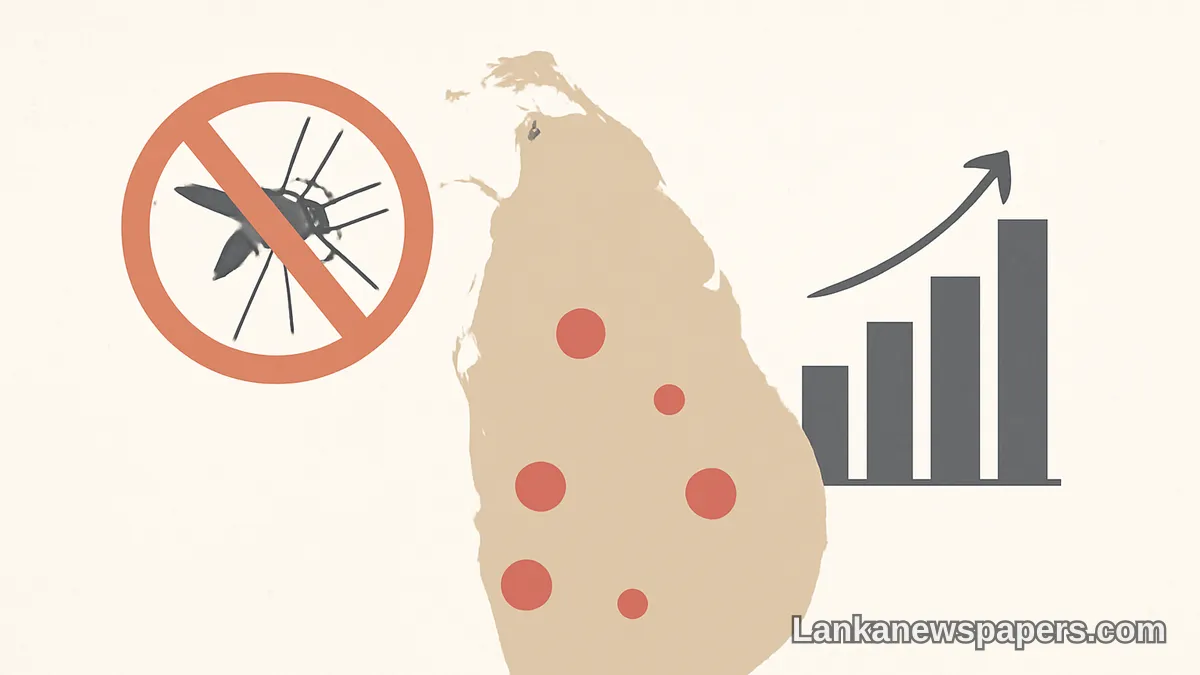
Dengue Crisis Deepens as Cases Breach Six-Figure Threshold
Sri Lanka has recorded a deeply troubling public health milestone in 2025, with the total number of dengue fever cases reported across the island surpassing the 100,000 mark within the course of this year alone.
The figure underscores the growing severity of the dengue outbreak gripping the country, raising urgent concerns among health authorities and medical professionals about the pace at which the mosquito-borne disease continues to spread.
A Nationwide Public Health Challenge
Dengue fever, transmitted primarily through the bite of the Aedes aegypti mosquito, has long been a seasonal challenge for Sri Lanka. However, the crossing of the 100,000-case threshold signals that this year's outbreak has taken on a particularly serious dimension, with cases accumulating at a rate that is placing pressure on healthcare facilities nationwide.
Health officials have consistently urged the public to take preventive measures to curb the spread of the disease, including:
- Eliminating stagnant water collections around homes and workplaces where mosquitoes breed
- Using mosquito repellents and protective clothing, especially during peak mosquito activity hours
- Ensuring proper disposal of water-retaining containers such as tyres, pots, and plastic waste
- Seeking immediate medical attention upon experiencing symptoms such as high fever, severe headache, and body pain
Calls for Urgent Action
The surpassing of the 100,000 mark is expected to intensify calls on local government authorities and community leaders to step up vector control efforts, including more frequent and widespread fogging operations and public awareness campaigns.
Dengue remains one of the most significant mosquito-borne disease threats in Sri Lanka, and this year's case count serves as a stark reminder that sustained, coordinated action at every level of society is essential to bring the outbreak under control.
Medical authorities continue to monitor the situation closely and have urged the public not to underestimate early symptoms, stressing that timely medical care significantly reduces the risk of complications and fatalities associated with the disease.
As Sri Lanka battles this escalating health crisis, the need for a united response from government institutions, local communities, and individual households has never been more pressing.



💬 Join the Discussion 3
See what readers are saying — and add your view.
my whole street got dengue this month, its that bad
100,000 cases and goverment still doing nothing real about it
exactly, same speech every year, clean your gardens blah blah