Sri Lanka's Fuel Prices Fall Below Global Minimum Benchmarks, Raising Sustainability Concerns
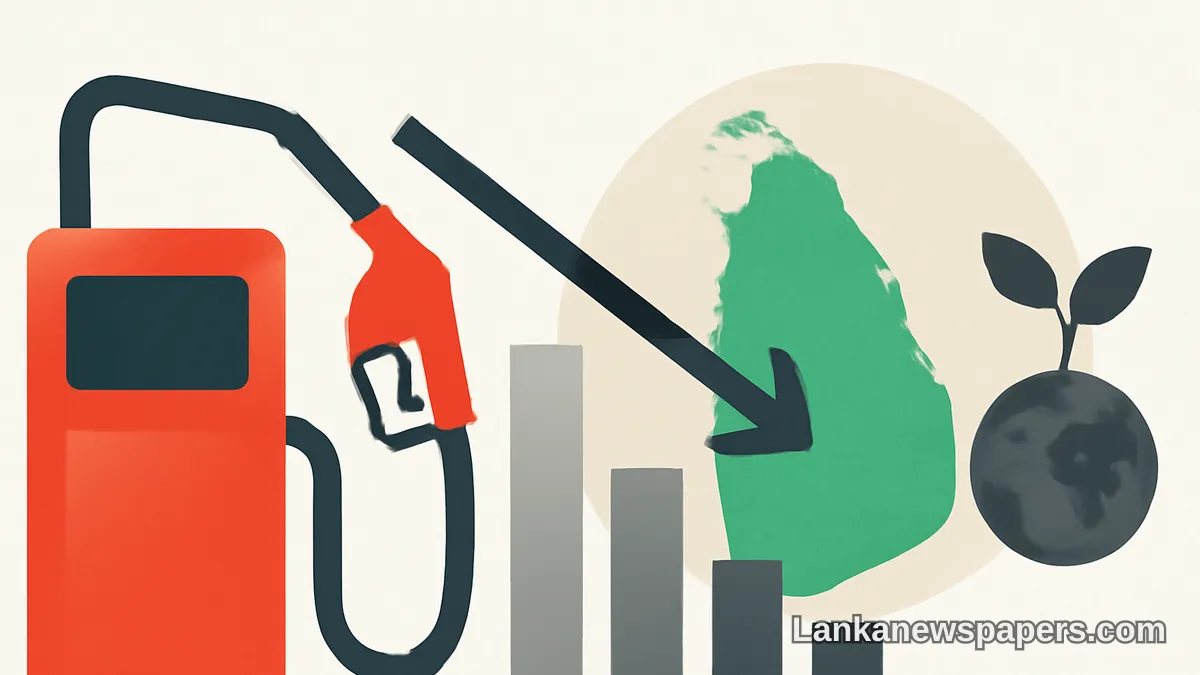
Sri Lanka is currently selling fuel at prices lower than the minimum thresholds observed in international markets, raising fresh questions about the long-term sustainability of the island nation's fuel pricing policy.
Prices Out of Step With Global Standards
Industry observers and energy analysts have flagged that the retail fuel prices being maintained in Sri Lanka have dipped below internationally recognised minimum price levels. This development comes as the country continues its gradual economic recovery following the severe foreign exchange crisis that crippled fuel imports just a few years ago.
While lower pump prices may appear to benefit ordinary consumers and businesses in the short term, economists warn that pricing fuel below viable international benchmarks could place significant strain on state finances and energy sector institutions.
Implications for the State Energy Sector
The Ceylon Petroleum Corporation (CPC) and other state-linked fuel distribution entities have historically struggled with losses tied to subsidised fuel pricing. Selling below cost or below internationally comparable minimum rates risks repeating a cycle of financial losses that previously contributed to Sri Lanka's broader fiscal difficulties.
Fuel pricing in Sri Lanka is influenced by a combination of global crude oil prices, rupee exchange rates, taxes, and government policy decisions. Any misalignment between these factors and actual retail prices can result in mounting losses for the state energy apparatus.
Consumer Relief Versus Fiscal Responsibility
For millions of Sri Lankans still navigating the economic hardships of recent years, affordable fuel remains a pressing concern. Motorists, transport operators, and small businesses have all felt the burden of volatile energy costs, making any price relief politically sensitive.
However, fiscal analysts caution that artificially low fuel prices — particularly those falling beneath international minimums — are not a sustainable solution and could undermine the country's ongoing efforts to stabilise its economy under the International Monetary Fund's recovery programme.
A Delicate Balancing Act
The government faces the difficult task of balancing public relief against the need for fiscal discipline. Key considerations in this debate include:
- The impact of below-market fuel prices on state revenue and CPC finances
- Sri Lanka's commitments to economic reform under IMF-guided restructuring
- The risk of renewed foreign exchange pressure if fuel import costs are not adequately recovered through retail pricing
- The broader effect on inflation and public transport costs
Energy sector stakeholders are expected to call for a transparent and formula-based pricing mechanism that reflects true market costs while incorporating targeted relief for the most vulnerable segments of the population.
Selling fuel below internationally accepted minimum prices may offer short-term comfort but poses a longer-term risk to the financial health of Sri Lanka's energy sector and its overall economic recovery trajectory.
As Sri Lanka works to rebuild economic credibility with international partners and lenders, the management of fuel pricing will remain a closely watched indicator of the government's commitment to sustainable fiscal policy.



💬 Join the Discussion 3
See what readers are saying — and add your view.
goverment just trying to look good before election. mark my words
so now its too cheap? first they cry too expensive now this
exactly no winning with these ppl