Economists Warn Sri Lanka Faces Fresh Economic Risk If IMF Programme Abandoned After 2027
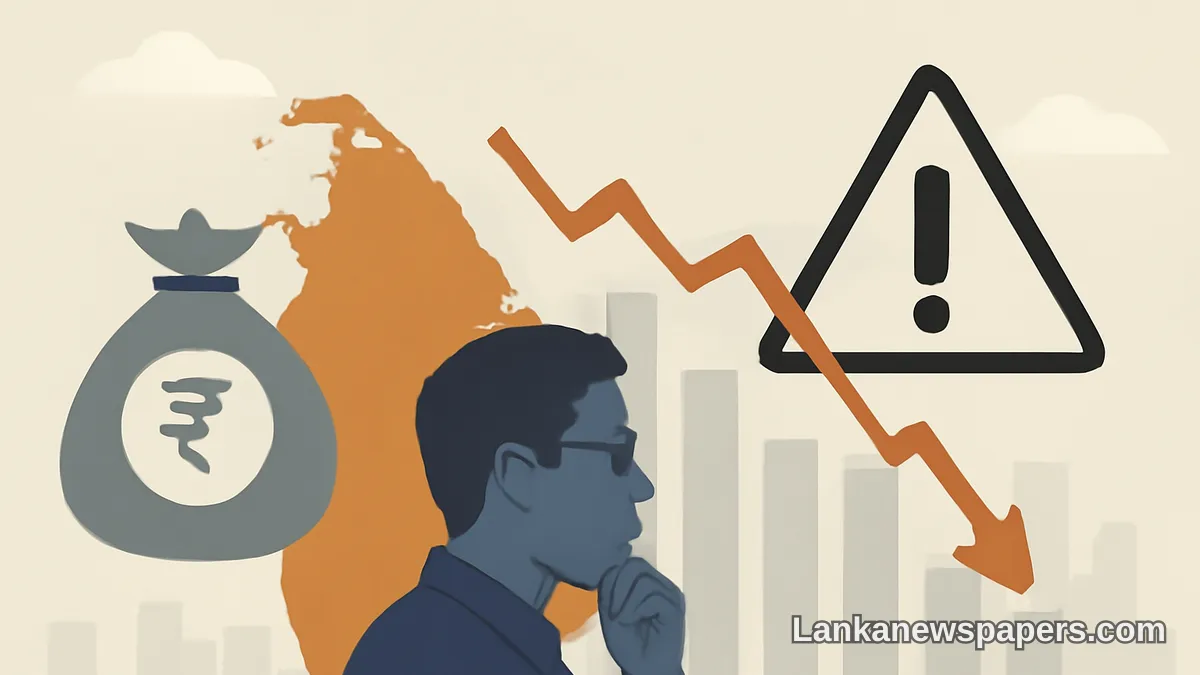
Premature Exit Could Unravel Hard-Won Stability
Sri Lanka's fragile economic recovery could be thrown into reverse if the country walks away from its International Monetary Fund programme once the current arrangement concludes in 2027, experts have cautioned.
The warning comes as Sri Lanka continues to navigate one of the most severe economic crises in its post-independence history, having secured a four-year extended fund facility with the IMF in 2023 to stabilise its battered finances and restore international creditor confidence.
What Experts Are Saying
Economists and financial analysts have stressed that simply completing the programme will not be sufficient to guarantee long-term stability. According to the experts, the discipline, structural reforms and fiscal targets embedded within the IMF framework are what is keeping Sri Lanka on a credible recovery path — and abandoning that framework prematurely or failing to sustain its principles beyond 2027 could expose the country to a fresh economic shock.
They argue that the reforms undertaken under IMF oversight — including revenue mobilisation, public expenditure rationalisation and measures to strengthen the central bank's independence — must be institutionalised into Sri Lanka's own governance structures before any clean break from the programme can safely occur.
The Risks of Reverting to Old Habits
Analysts point to a pattern seen in other countries that have undergone IMF-supported adjustments, only to slide back into fiscal indiscipline once external oversight was removed. Sri Lanka, they warn, is not immune to this risk, particularly given the political pressures that tend to mount ahead of election cycles.
- Reversal of tax reforms could rapidly erode government revenue gains
- Renewed monetary financing of budget deficits could reignite inflation
- Loss of investor confidence could push up borrowing costs and weaken the rupee
- Debt restructuring agreements with creditors could be jeopardised
Staying the Course
The consensus among economic observers is that the government must use the remaining period of the IMF programme not merely to meet its quarterly review targets, but to build lasting institutional capacity that will allow Sri Lanka to maintain fiscal and monetary discipline independently after 2027.
Sri Lanka is currently engaged in its ongoing debt restructuring process with bilateral and commercial creditors, a process closely tied to its continued compliance with IMF programme conditions. Any perception that Colombo is retreating from reform commitments could complicate those negotiations and undermine the country's efforts to regain full access to international capital markets.
Completing the IMF programme is a milestone, not the finish line — the real test will be whether Sri Lanka can sustain its reform momentum without external guardrails in place.
With the 2027 conclusion of the programme still some years away, policymakers have time to lay the groundwork for a credible post-IMF economic strategy — but experts are clear that planning for that transition must begin now, not in the final months of the arrangement.


💬 Join the Discussion 0
Be the first to share your view on this story.