Sri Lankan Banks Bolster Digital Defences as Sophisticated Online Fraud Rings Close In
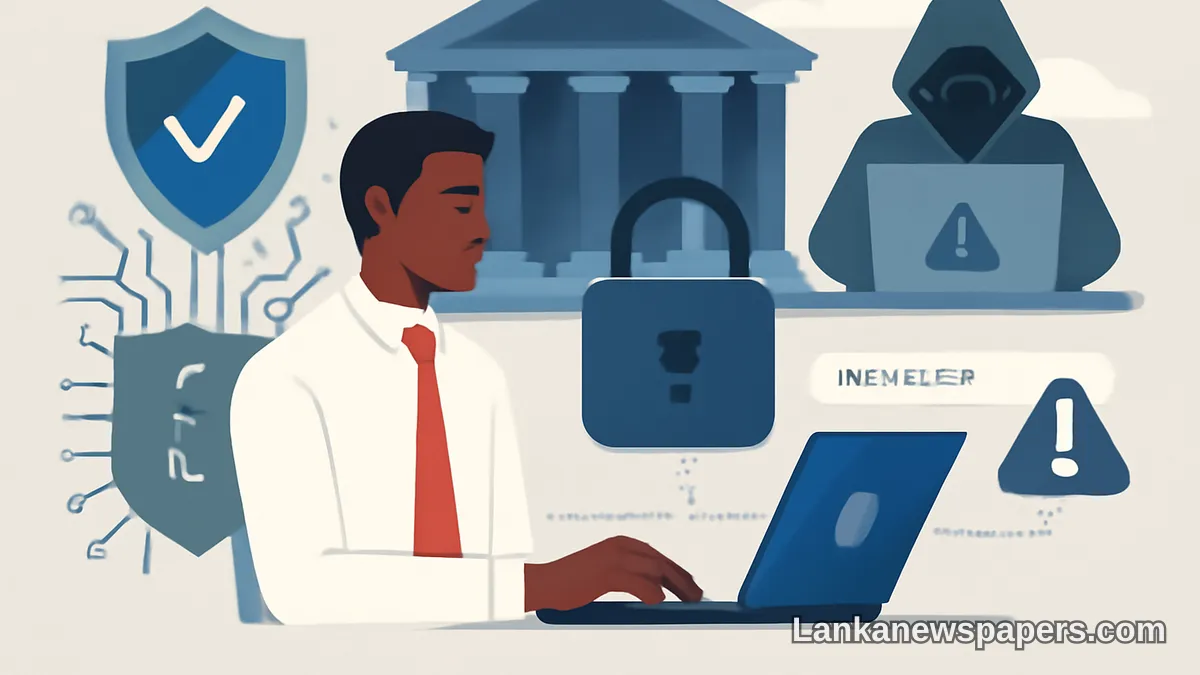
Sri Lankan banks are stepping up their online security infrastructure in response to a growing wave of cybercrime, as increasingly sophisticated phishing schemes and counterfeit banking websites — operated by international scam networks — continue to target unsuspecting customers across the island.
A Rapidly Evolving Threat Landscape
Financial institutions have raised the alarm over the alarming pace at which fraudsters are advancing their tactics, with criminals now deploying convincing replicas of legitimate bank websites and highly targeted phishing messages designed to trick customers into surrendering their login credentials and sensitive personal information.
These operations, linked to organised international crime networks, have grown considerably more difficult to detect, leaving even tech-savvy users vulnerable to compromise. Fraudulent communications are reportedly mimicking official bank branding with near-perfect accuracy, making it increasingly challenging for the public to distinguish genuine correspondence from malicious imitations.
Banks Respond With Enhanced Safeguards
In response to the escalating threat, several Lankan banks have begun rolling out additional layers of security for their online banking platforms. Measures being introduced include:
- Multi-factor authentication requirements for account access and transactions
- Real-time alerts for suspicious login attempts and unusual account activity
- Enhanced verification protocols for high-value transfers
- Improved systems for detecting and taking down cloned websites impersonating local banks
The push to upgrade digital defences reflects a broader acknowledgement within the banking sector that existing safeguards have struggled to keep pace with the speed and ingenuity of modern cybercriminals.
Customers Urged to Stay Vigilant
Customers must remain cautious and verify the authenticity of any communication they receive claiming to be from their bank, particularly when asked to click links or provide personal details.
Banking authorities are urging the public to exercise extreme caution when interacting online, advising customers never to click on unsolicited links received via email or SMS, and to always navigate directly to their bank's official website by typing the address into their browser.
Customers who suspect they may have fallen victim to a phishing attack or that their banking credentials have been compromised are being encouraged to contact their bank immediately and report the incident to the relevant authorities.
A National Concern
The surge in online banking fraud is not unique to Sri Lanka, but the country's rapidly expanding digital financial ecosystem makes it a particularly attractive target for cybercriminals. As more Sri Lankans embrace internet banking and mobile payment platforms, experts warn that the window of opportunity for bad actors will only continue to grow unless robust countermeasures are firmly in place.
Financial regulators are expected to issue further guidance to banks and consumers in the coming weeks as the sector works collectively to contain the threat and restore confidence in digital banking channels.


💬 Join the Discussion 2
See what readers are saying — and add your view.
my uncle lost 50k last month to one of these fake bank sites, not funny
same thing happened to my cousin, banks should have done this ages ago