Government Eyes Rs. 200,000 PAYE Tax-Free Threshold But Stops Short of Firm Commitment
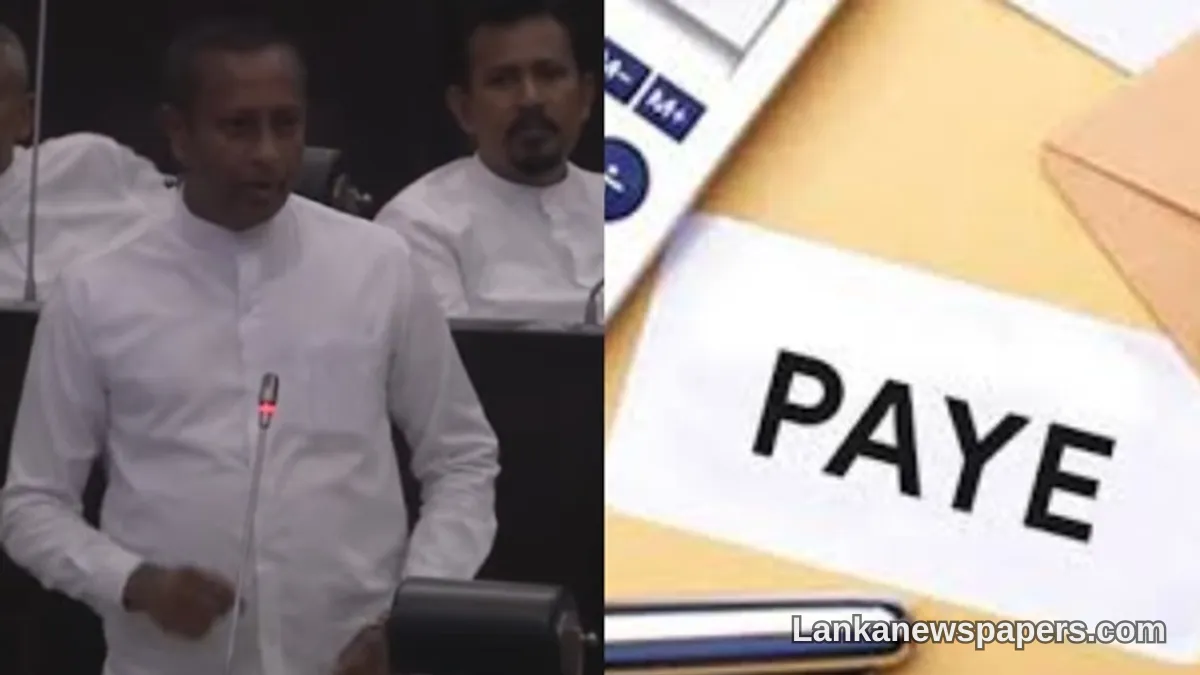
The Sri Lankan government has signalled its intention to raise the monthly Pay As You Earn (PAYE) tax-free threshold to Rs. 200,000, though officials have stopped short of making any firm promise on when or how the change will be implemented.
What Is Being Proposed?
Under the current tax framework, salaried employees are liable for personal income tax once their monthly earnings exceed a set threshold. The government has acknowledged growing public pressure to ease this burden on middle-income earners, and raising the tax-free limit to Rs. 200,000 per month has been floated as a potential relief measure.
However, despite expressing commitment to the idea in principle, authorities have refrained from providing a concrete timeline or guarantee, leaving many taxpayers uncertain about when any relief might materialise.
Why It Matters to Sri Lankan Workers
For tens of thousands of salaried workers across the country, the PAYE threshold is a critical determinant of their monthly take-home pay. A higher tax-free limit would mean a larger portion of earnings remains untaxed, providing meaningful financial relief at a time when the cost of living continues to weigh heavily on households.
- Salaried employees in both the public and private sectors would benefit directly from an increased threshold.
- Middle-income earners, who have borne a significant share of the tax burden during Sri Lanka's economic adjustment period, stand to gain the most.
- Increased disposable income could also provide a modest boost to domestic consumer spending.
Balancing Relief With Fiscal Responsibility
The hesitation to make a binding commitment reflects the delicate balancing act the government faces. Sri Lanka is currently navigating an IMF-supported economic recovery programme, which places strict conditions on revenue collection targets. Reducing the personal income tax net — even modestly — could affect government revenue projections and complicate compliance with programme benchmarks.
The government remains committed to increasing the monthly personal income tax-free threshold to Rs. 200,000, but has not yet committed to a specific timeframe for doing so.
Fiscal authorities are understood to be weighing the political and social benefits of the proposed threshold increase against the potential revenue shortfall it could generate in the short term.
What Happens Next?
Observers and taxpayer advocacy groups are calling on the government to translate its stated commitment into policy action at the earliest opportunity. Many argue that with Sri Lanka's economy showing early signs of stabilisation, now is an appropriate moment to offer tangible relief to working citizens who have endured years of financial hardship.
For now, salaried workers will have to wait for a clearer signal — likely through a future budget announcement or an official policy statement — before knowing whether the promised threshold increase will become a reality.
💬 Join the Discussion 0
Be the first to share your view on this story.