Sri Lanka's New Anti-Terror Law Draws Fierce Backlash From Rights Groups and Critics
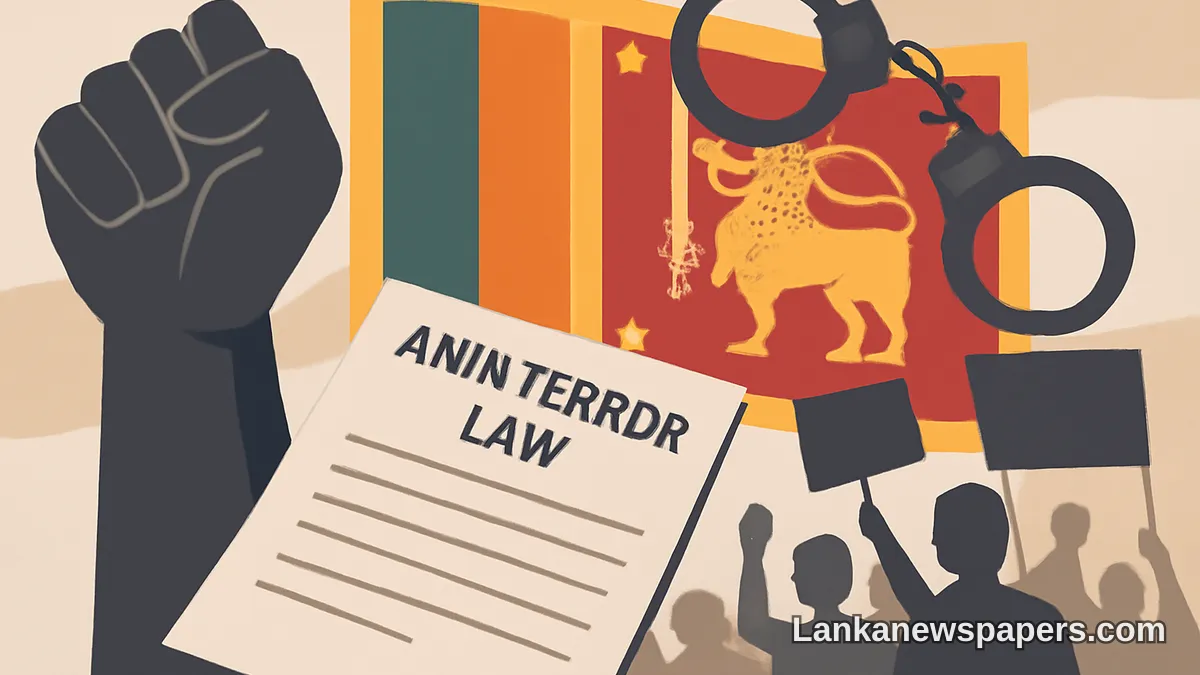
Sri Lanka's newly enacted anti-terrorism legislation has ignited widespread outrage among civil society groups, religious leaders, and human rights advocates, who warn that the law could be weaponised against ordinary citizens and minority communities.
A Controversial Piece of Legislation
The Anti-Terrorism Act (ATA), which replaced the long-criticised Prevention of Terrorism Act (PTA), was passed by the Sri Lankan Parliament amid strong objections from opposition lawmakers and advocacy organisations. While the government has framed the new law as a modernised and necessary tool to safeguard national security, critics argue that it retains — and in some respects expands — the very powers that made its predecessor so widely condemned.
Opponents of the legislation contend that its broad and vague definitions of what constitutes a terrorist act leave dangerous room for misuse, potentially criminalising legitimate forms of protest, free expression, and dissent.
Rights Groups Sound the Alarm
Human rights organisations, both local and international, have raised serious concerns about the law's provisions, arguing that they fall short of international legal standards. Key among the criticisms is the sweeping authority granted to law enforcement to detain individuals without sufficient judicial oversight.
- Critics warn that vague definitions of terrorism could be used to target journalists, activists, and minority groups.
- Religious communities, particularly Catholics and Muslims, have expressed fear that the law may disproportionately affect them.
- Legal experts argue that provisions allowing extended detention without charge violate fundamental rights enshrined in Sri Lanka's Constitution.
Government Defends the Law
Government officials have pushed back against the criticism, insisting that the ATA includes stronger safeguards than its predecessor and is aligned with the country's obligations to combat terrorism. Authorities maintain that the legislation is essential in light of threats such as those exposed by the devastating 2019 Easter Sunday bombings, which killed more than 260 people.
Critics, however, remain unconvinced, arguing that history has shown such laws in Sri Lanka tend to be used against the very communities they are supposed to protect.
A Pattern of Concern
Sri Lanka has a troubled history with counter-terrorism legislation. The PTA, enacted during the civil war era, was repeatedly condemned by the United Nations and international human rights bodies for enabling torture, prolonged detention, and the targeting of Tamil and Muslim minorities. Many had hoped its replacement would mark a clean break from those abuses.
Instead, campaigners say, the new law risks perpetuating the same patterns under a different name. Calls are growing for the government to engage in meaningful dialogue with affected communities and legal experts before fully implementing the Act, with some demanding that Parliament revisit and amend the most contentious provisions.
As debate over the legislation intensifies, all eyes will be on how authorities choose to apply the new powers — and whether Sri Lanka can strike a credible balance between national security and the protection of civil liberties.


💬 Join the Discussion 1
See what readers are saying — and add your view.
goverment always doing this, who is even surprised anymore