Sri Lanka Gazettes New Anti-Terror Legislation to Replace Controversial PTA
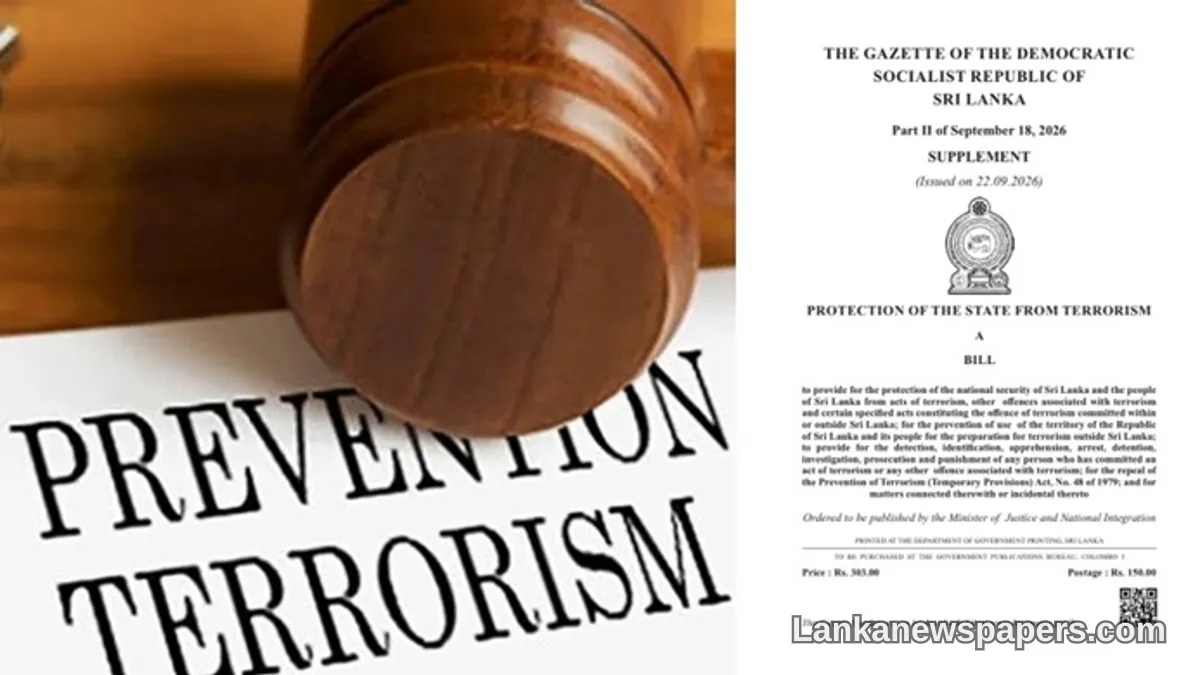
The Sri Lankan government has taken a significant legislative step by gazetzing the Protection of the State from Terrorism Bill, a new piece of legislation designed to repeal and replace the long-standing and widely criticised Prevention of Terrorism Act (PTA).
A Long-Awaited Legislative Overhaul
The gazetting of the new bill marks a pivotal moment in Sri Lanka's legal landscape, signalling the government's intent to move away from the PTA — a law that has drawn sustained criticism from human rights organisations, civil society groups, and the international community for decades.
The PTA, which has been in force for many years, has been repeatedly condemned for enabling prolonged detention without trial, facilitating alleged torture, and being disproportionately applied against minority communities, particularly Tamils and Muslims.
What the New Bill Seeks to Achieve
The Protection of the State from Terrorism Bill is positioned as a comprehensive replacement that aims to address the shortcomings of the existing law while still providing the state with adequate tools to combat terrorism and safeguard national security.
By formally gazetzing the bill, the government has initiated the parliamentary process that will ultimately determine whether the new legislation comes into force, replacing a statute that many legal experts have long argued is incompatible with international human rights standards.
Reactions and Significance
The move is expected to attract considerable attention from multiple quarters, including:
- Human rights advocates who have campaigned for PTA reform for years
- Opposition political parties who will scrutinise the contents of the new bill
- International bodies and foreign governments who have linked trade and aid arrangements to Sri Lanka's progress on rights-related legislation
- Affected communities who have borne the brunt of PTA-related detentions
The gazetzing of the bill does not automatically bring it into law — it must pass through parliamentary debate and a vote before becoming enforceable legislation.
Sri Lanka has faced mounting pressure from the European Union and other international partners to reform the PTA, particularly in the context of the country's GSP+ trade concession, which carries conditions tied to the implementation of human rights conventions.
As the bill proceeds through the legislative process, public debate is anticipated to intensify, with stakeholders across the political and civil society spectrum weighing in on whether the proposed law represents genuine reform or merely a repackaging of existing powers.


💬 Join the Discussion 0
Be the first to share your view on this story.