Questions mount over Sri Lanka's long-term fiscal independence
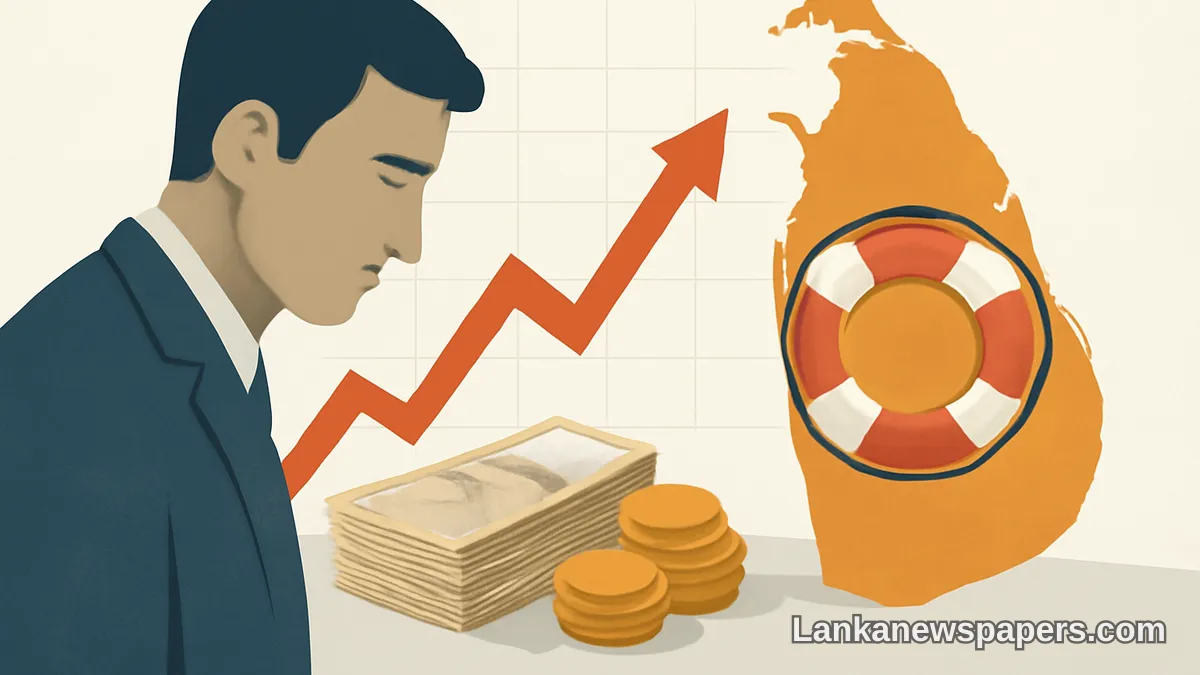
As Sri Lanka continues to navigate the fragile path of economic recovery, growing concerns are emerging among financial analysts and policy observers that the island nation may find itself entering yet another arrangement with the International Monetary Fund once its current programme concludes.
Current IMF engagement still ongoing
Sri Lanka entered its existing IMF Extended Fund Facility in 2023 following the country's historic economic crisis, which saw widespread shortages of fuel, medicine and essential goods, along with a sovereign debt default. The programme was designed to restore macroeconomic stability, rebuild foreign reserves and implement wide-ranging structural reforms across public finance and state-owned enterprises.
While the country has shown measurable progress under the arrangement — including improved reserve levels and a degree of exchange rate stability — critical questions remain about whether the underlying structural weaknesses have been sufficiently addressed to allow Sri Lanka to stand on its own fiscal footing once the programme expires.
A recurring pattern raises alarm
This would not be the first time Sri Lanka has returned to the IMF after completing a previous programme. The country has historically been one of the most frequent borrowers from the Fund in the Asia-Pacific region, having entered into arrangements on multiple occasions over the past several decades without achieving lasting self-sufficiency.
Critics argue that successive governments have used IMF support as a short-term stabilisation tool without committing to the deeper structural reforms necessary to break the cycle of dependency. Revenue collection remains below regional benchmarks, while public expenditure pressures — including a large state sector wage bill and debt servicing obligations — continue to strain government finances.
Reform implementation under scrutiny
A key concern is the pace and depth of reforms being implemented under the current programme. Areas such as state-owned enterprise restructuring, tax policy changes and anti-corruption measures have seen uneven progress, with some initiatives facing political resistance or implementation delays.
Without sustained and credible reform implementation, the risk of requiring another IMF arrangement after the current one ends remains very real.
Economists caution that the government must use the remaining period of the current programme to embed reforms firmly enough that they outlast the arrangement itself, rather than allowing political pressures to reverse hard-won gains.
What lies ahead
With Sri Lanka's debt restructuring process still being finalised with bilateral and commercial creditors, the path to full financial normalcy remains uncertain. The government faces the dual challenge of maintaining the confidence of international creditors while managing the domestic political expectations of a population still feeling the aftershocks of the 2022 crisis.
Whether Sri Lanka will ultimately require a follow-on IMF programme will depend largely on how effectively the current administration manages revenue growth, controls expenditure and delivers on promised structural changes in the months ahead. For now, the possibility of another arrangement looms as a sobering reminder of the work that still lies before the country.


💬 Join the Discussion 2
See what readers are saying — and add your view.
again? we just finished one no? these politicians never learn
exactly, same cycle every 10 years, nothing changes