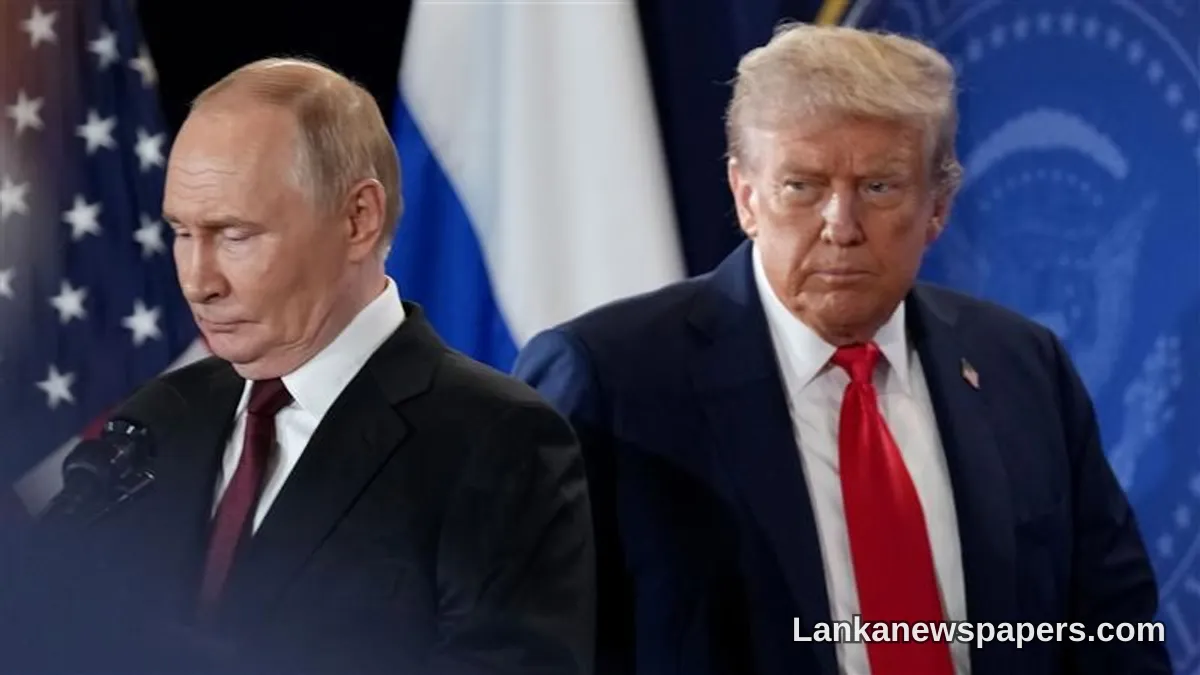
United States President Donald Trump has signed into law a sweeping piece of legislation that could impose tariffs of up to 100% on any country purchasing oil and natural gas from Russia, a move that carries significant implications for major Asian economies including India and China.
What the New Law Entails
The newly signed legislation grants Washington the authority to levy steep tariffs on nations that continue to do business with Russia's energy sector. The 100% tariff ceiling represents one of the most aggressive economic pressure tools the United States has deployed in its ongoing effort to isolate Moscow financially in the wake of the conflict in Ukraine.
India and China in the Crosshairs
Both India and China have significantly expanded their purchases of Russian crude oil since Western nations imposed broad sanctions on Moscow. The two Asian giants have become among Russia's largest energy customers, filling a gap left by European buyers who largely turned away from Russian supplies.
- India has been purchasing heavily discounted Russian crude to manage its energy costs and fuel its growing economy.
- China, similarly, has deepened its energy trade ties with Russia, making it one of Moscow's most important economic partners.
Potential Economic Fallout
Should Washington move to enforce tariffs at or near the 100% level, the consequences for both nations could be severe, disrupting trade relationships and adding fresh tension to already strained diplomatic ties with the United States.
The legislation signals a sharp escalation in America's economic strategy, using market access as leverage to pressure countries into reducing their dependence on Russian energy.
Broader Global Implications
The move is expected to send ripples across global energy markets, as any disruption to India's or China's purchasing patterns would have downstream effects on oil prices and supply chains worldwide. Smaller economies that have also maintained energy ties with Russia may find themselves caught in the crossfire of this expanding economic standoff.
It remains to be seen how India and China will respond diplomatically and whether they will seek to negotiate exemptions or alternative arrangements with Washington. Analysts warn that the legislation, if enforced firmly, could further fragment global trade into competing geopolitical blocs.



💬 Join the Discussion 3
See what readers are saying — and add your view.
Our goverment better figure this out fast, we cant afford more price hikes.
So now America deciding who can buy from who? Big bully tactics.
Exactly, small countries like us get squeezed in the middle no.