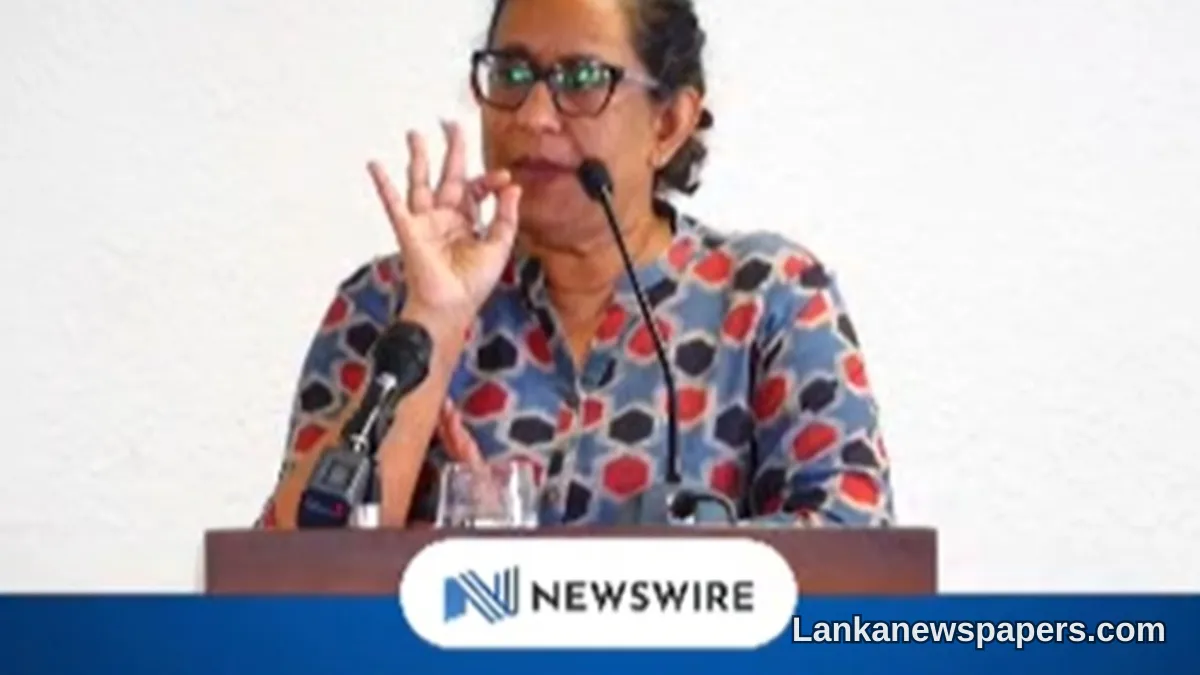
Prime Minister Harini Amarasuriya has made clear that the government has no intention of equipping every classroom in the country with smart boards, stating that such technology is not an essential requirement for quality education.
A Measured Approach to Educational Technology
The Prime Minister's remarks signal a cautious and pragmatic stance toward the integration of technology in Sri Lanka's schools. Rather than pursuing a blanket rollout of expensive digital infrastructure, the government appears to be prioritising spending in areas it considers more critical to improving educational outcomes across the island.
Smart boards, which are interactive digital display systems used in place of traditional blackboards, have been championed in some circles as a tool for modernising classroom learning. However, their high cost has long raised questions about the feasibility of a nationwide deployment, particularly given the financial pressures facing the Sri Lankan state.
Government Sets Its Priorities
By ruling out universal smart board provision, Prime Minister Amarasuriya appears to be drawing a firm line between educational innovation and fiscal responsibility. The position reflects a broader government outlook that meaningful learning outcomes need not depend on high-end technological solutions alone.
The announcement is likely to spark debate among educators, parents, and policy advocates who have pushed for greater digital resources in schools, especially in rural and underserved communities where access to modern teaching aids remains limited.
No alternative technology investments or substitute measures were immediately outlined alongside the Prime Minister's statement, leaving open questions about how the government plans to address the growing demand for modernised learning environments across Sri Lanka's state school system.



💬 Join the Discussion 0
Be the first to share your view on this story.