Decades On, Jaffna Remains Marginalised: Is Colombo Still Turning a Blind Eye?
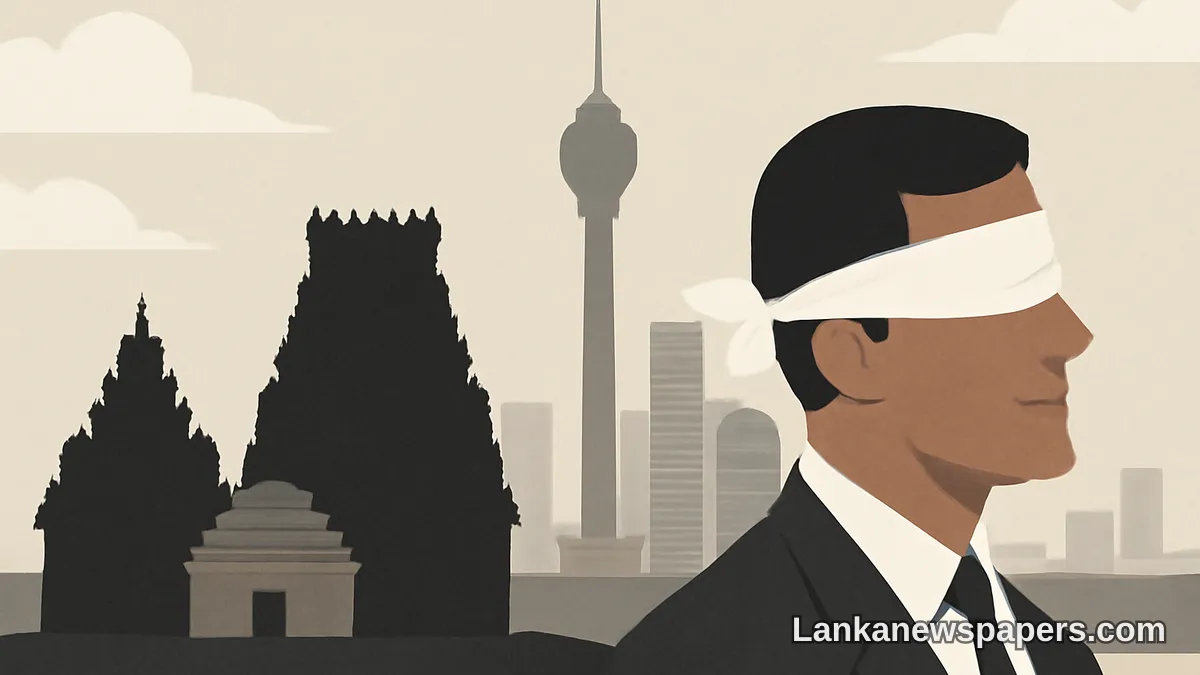
More than a decade after the end of Sri Lanka's devastating civil war, deep-seated questions continue to surface about whether the country's political establishment in Colombo is genuinely committed to equitable development and governance for the Northern Province — particularly its cultural heart, Jaffna.
A Disparity That Refuses to Disappear
Critics and analysts have long pointed to a persistent imbalance in how resources, infrastructure investment, and political attention are distributed between the Western Province and the war-affected north. While Colombo has seen rapid urban development, luxury real estate projects, and expanded public services in recent years, many residents of Jaffna argue their region continues to lag behind in basic necessities and economic opportunity.
The frustration is not merely economic. Tamil communities in the north have repeatedly raised concerns about delays in land release from military occupation, the slow pace of resettlement for displaced families, and the absence of meaningful political representation at the national decision-making level.
Infrastructure and Investment Gap
Development indicators for the Northern Province continue to trail national averages in several key areas, including:
- Road and transport connectivity between Jaffna and the rest of the island
- Access to quality healthcare facilities and specialist medical services
- Economic opportunities for youth, leading to high rates of emigration
- Rehabilitation of war-damaged public infrastructure
Political Will Under Scrutiny
Observers note that successive governments in Colombo have made pledges of reconciliation and northern development, yet concrete follow-through has often fallen short of expectations. The 13th Amendment to the Constitution, which promises devolution of power to provincial councils, remains only partially implemented — a sore point that Tamil political parties have raised consistently in Parliament.
The people of Jaffna are not asking for special treatment — they are asking for equal treatment, and that is something successive governments have failed to deliver in any meaningful, lasting way.
A Question of Political Priority
Some political commentators argue that the marginalisation of Jaffna is not entirely accidental, suggesting that electoral arithmetic in the south has historically discouraged Colombo-based administrations from taking politically sensitive steps on Tamil grievances. With Tamil voters concentrated in the north and east, their influence on national election outcomes remains limited, reducing the urgency felt by ruling parties to address long-standing concerns.
Others, however, point to recent diplomatic pressure from India and Western nations as a factor that could compel the current government to accelerate reconciliation efforts and northern development as part of broader economic reform commitments.
The Road Ahead
As Sri Lanka continues its fragile economic recovery following the 2022 financial crisis, the question of whether Jaffna and the Northern Province will receive a fair share of national investment and political attention remains critically important — not only for Tamil communities, but for the long-term stability and unity of the island as a whole.
Genuine reconciliation, analysts stress, cannot be reduced to symbolic gestures. It demands consistent policy action, transparent resource allocation, and the political courage to confront historical injustices head-on.

💬 Join the Discussion 0
Be the first to share your view on this story.