Sri Lanka's Economic Growth Loses Steam in Q2 as Global and Domestic Pressures Mount
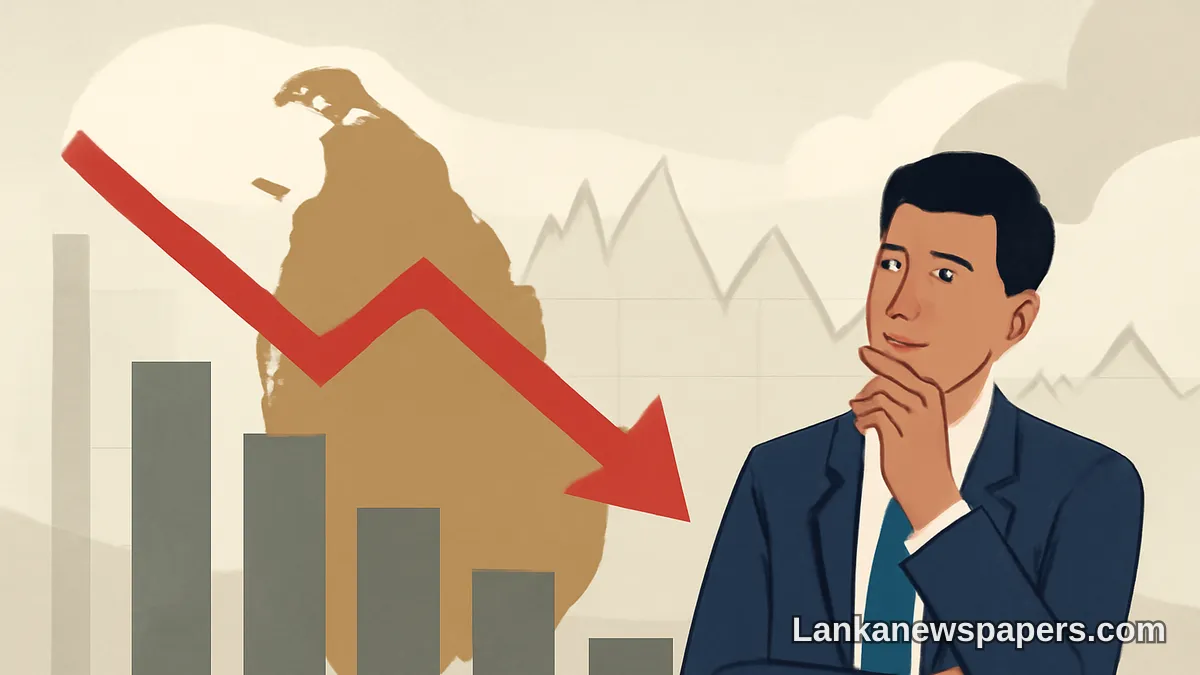
Sri Lanka's economic growth slowed during the second quarter of the year, with analysts pointing to a combination of external shocks and domestic challenges that collectively weighed on the island nation's recovery momentum.
What the Numbers Reveal
After a period of encouraging expansion following the country's severe economic crisis, the second quarter GDP figures signal a notable deceleration. While the economy continues to grow, the pace has clearly eased, raising questions about the durability of Sri Lanka's recovery trajectory in the months ahead.
Key Factors Behind the Slowdown
Economists and analysts have identified several overlapping pressures that contributed to the weaker quarterly performance:
- Middle East Crisis: The ongoing conflict in the Middle East has disrupted trade routes, pushed up freight and fuel costs, and introduced uncertainty into global supply chains — all of which have ripple effects on an import-dependent economy like Sri Lanka's.
- Weak Purchasing Power: Many Sri Lankan households are still recovering from the devastating cost-of-living crisis that gripped the country in recent years. Consumer spending, a critical driver of domestic growth, remains subdued as real incomes struggle to keep pace with lingering price pressures.
- Adverse Weather Conditions: Unfavourable weather patterns affected key sectors, particularly agriculture, which remains a significant contributor to rural livelihoods and overall output. Drought or excessive rainfall in farming regions can quickly translate into measurable contractions in agricultural GDP.
A Recovery Still Under Stress
Sri Lanka has made considerable strides since its 2022 economic collapse, securing an IMF bailout programme and gradually rebuilding foreign reserves. However, the Q2 data is a reminder that the path to stable and sustained growth is far from smooth.
The external environment remains particularly difficult to navigate. With global commodity prices volatile and key export markets facing their own economic headwinds, Sri Lankan businesses and policymakers have limited room to manoeuvre.
What This Means Going Forward
The slowdown is unlikely to derail Sri Lanka's overall recovery, but it does underscore the need for structural reforms that reduce the economy's vulnerability to external shocks. Strengthening domestic purchasing power through wage growth, targeted social protection, and sustained inflation control will be critical to putting growth on a firmer footing.
Policymakers will also be watching weather forecasts and agricultural output closely in the coming months, given the sector's outsized influence on rural employment and food prices.
For now, the Q2 figures serve as a cautionary note — growth is happening, but it remains fragile, uneven, and highly sensitive to forces both within and beyond Sri Lanka's borders.



💬 Join the Discussion 0
Be the first to share your view on this story.