Sri Lanka Resumes Haiti Peacekeeping Mission Amid Concerns Over Absence of Vetting System
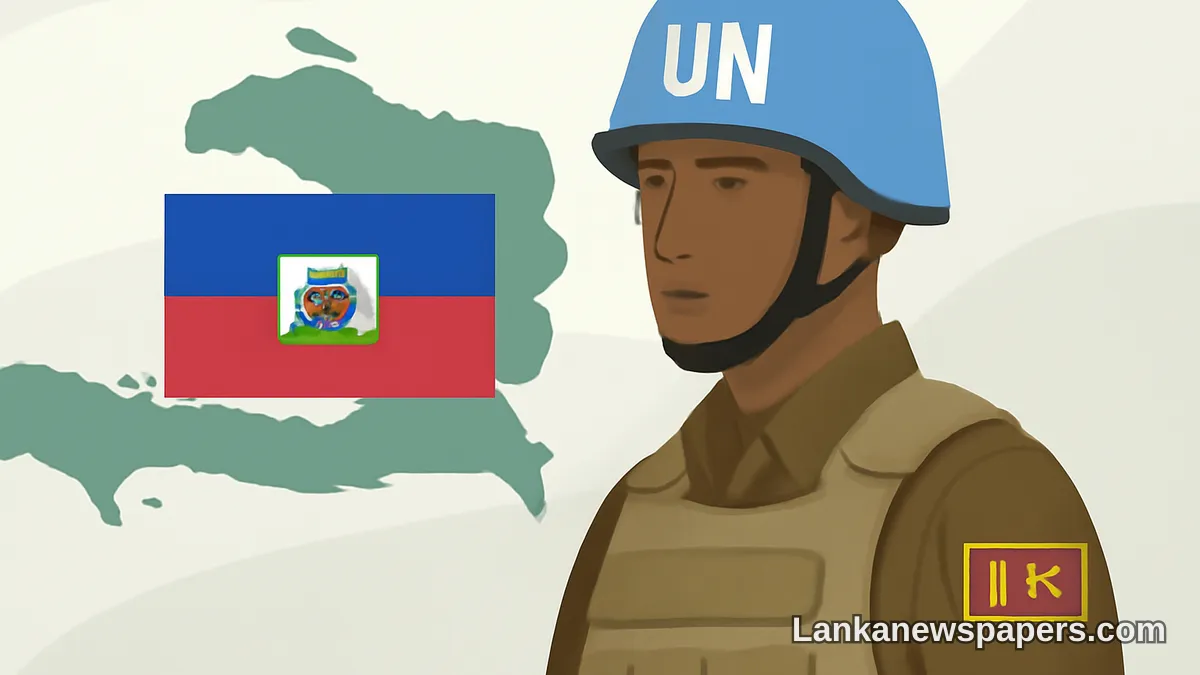
Sri Lankan peacekeepers have returned to Haiti as part of international stabilisation efforts, but a critical gap remains — no formal vetting system is in place to screen the troops being deployed, raising serious questions about accountability and conduct standards in the troubled Caribbean nation.
Peacekeepers Return to a Nation in Crisis
Haiti continues to grapple with widespread gang violence, political instability, and a deteriorating humanitarian situation. Sri Lanka's renewed participation in the peacekeeping mission signals a recommitment to international obligations, with Sri Lankan forces once again taking up positions in one of the world's most challenging operational environments.
However, the return of Sri Lankan peacekeepers has drawn scrutiny from international observers who point to the absence of a robust vetting mechanism — a system designed to ensure that personnel deployed on such missions have clean records and are free from any history of human rights violations or misconduct.
The Missing Vetting Framework
Vetting systems are considered a cornerstone of responsible peacekeeping. Without such safeguards, there is no structured process to verify the backgrounds of individual soldiers before they are assigned to sensitive roles in conflict-affected communities. Critics argue that this omission poses risks not only to the credibility of the mission but also to the safety of the Haitian civilians these forces are meant to protect.
The issue is particularly sensitive given Sri Lanka's own complex post-conflict history, with longstanding international scrutiny over alleged human rights abuses committed during the final stages of the civil war against the Liberation Tigers of Tamil Eelam (LTTE).
- No formal pre-deployment vetting system is currently operational for Sri Lankan troops heading to Haiti
- Haiti remains under severe threat from organised gang networks controlling large portions of the capital, Port-au-Prince
- Sri Lanka has historically been a significant contributor to United Nations peacekeeping missions worldwide
- International standards require member states to screen peacekeepers for prior misconduct before deployment
Sri Lanka's Peacekeeping Legacy and Responsibilities
Sri Lanka has long prided itself on its contributions to United Nations peacekeeping operations across the globe, with thousands of Sri Lankan military personnel having served in various missions over the decades. That legacy, advocates say, makes it all the more important that the country upholds the highest standards of conduct and transparency when deploying its forces abroad.
The absence of a vetting system is not merely a procedural shortcoming — it undermines the very principles that peacekeeping missions are built upon, including the protection of civilians and the promotion of human rights.
Calls for Accountability
Human rights organisations and United Nations watchdog bodies have repeatedly called on troop-contributing countries to implement rigorous pre-deployment screening. The concern is that without such measures, individuals with questionable records may find their way into peacekeeping roles, potentially repeating patterns of abuse in vulnerable host communities.
Sri Lankan authorities have yet to issue a detailed public statement addressing how the absence of a vetting framework will be remedied, or whether one is being developed in coordination with United Nations oversight bodies.
As Haiti continues its desperate search for stability, the international community will be watching closely to see whether troop-contributing nations like Sri Lanka step up not only in numbers, but in the standards and safeguards they bring to the mission.

💬 Join the Discussion 3
See what readers are saying — and add your view.
our boys are brave but who is protecting them from bad accusations?
no vetting system means same problems will happen again, they never learn
exactly, goverment just wants the UN money, soldiers welfare is secondary