Sri Lanka's Apparel Sector Under Pressure as Global Headwinds, Competition and Demand Shifts Bite
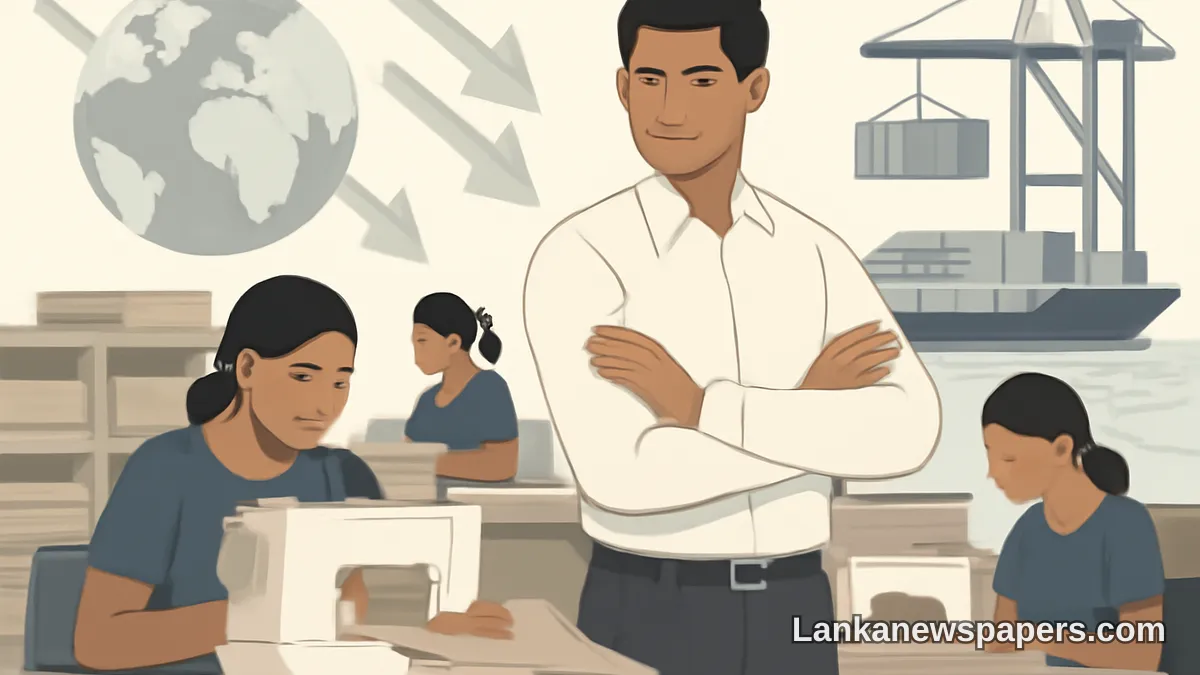
Sri Lanka's apparel industry, long regarded as one of the country's most resilient export pillars, is facing a convergence of serious challenges that threaten to erode its competitive edge on the global stage. Industry analysts and sector leaders are raising alarms over the combined pressures of crisis fatigue, changing consumer demand patterns, and an increasingly aggressive group of rival manufacturing nations.
The Weight of Prolonged Crisis
The Sri Lankan apparel sector has demonstrated remarkable endurance through the country's devastating economic crisis in recent years, maintaining export volumes even as other industries faltered. However, that very resilience appears to be wearing thin. Persistent economic instability has left factories, suppliers, and workers grappling with exhaustion, and the cumulative strain is now beginning to show in productivity and investor confidence.
The concept of "crisis fatigue" — where prolonged hardship diminishes an industry's capacity to adapt and innovate — is increasingly being applied to Sri Lanka's garment manufacturing landscape. Business leaders warn that without meaningful structural support and policy stability, the sector risks slipping into a prolonged period of stagnation.
Consumer Demand is Changing
Global fashion and retail trends are shifting rapidly, posing additional difficulties for Sri Lankan manufacturers. Buyers in key markets such as the United States and Europe are increasingly demanding faster turnaround times, greater sustainability credentials, and more flexible production volumes. The traditional model of large-batch, long-lead-time manufacturing that many Sri Lankan factories depend upon is being tested by these evolving expectations.
The rise of ethical and sustainable fashion has created both an opportunity and a challenge. While Sri Lanka has positioned itself as a producer committed to ethical labour practices and environmental standards, meeting increasingly stringent buyer requirements demands significant investment — investment that is difficult to mobilise in the current economic climate.
Rising Competition from Regional Rivals
Perhaps the most formidable external pressure comes from competing manufacturing nations in the region. Countries including Bangladesh, Vietnam, Cambodia, and India have been aggressively expanding their apparel export capacities, often with stronger government incentives, lower labour costs, and improving infrastructure.
Bangladesh in particular continues to dominate the global garment trade, benefiting from scale advantages that Sri Lanka simply cannot match. Meanwhile, Vietnam and India are rapidly climbing the value chain, directly targeting the mid-to-premium segment that Sri Lanka has traditionally claimed as its own.
The Road Ahead
Industry stakeholders are calling on the government to take a more proactive approach in supporting the sector through targeted interventions, including:
- Streamlining trade agreements to secure better market access for Sri Lankan garments
- Providing incentives for factories to invest in automation and sustainability upgrades
- Stabilising utility costs and supply chains that continue to burden manufacturers
- Strengthening workforce training programmes to improve productivity and skill levels
The apparel industry remains a cornerstone of Sri Lanka's export economy, accounting for a significant share of foreign exchange earnings and employing hundreds of thousands of workers, the majority of whom are women. The stakes of allowing the sector to decline are therefore enormous — not just economically, but socially.
Sustaining Sri Lanka's reputation as a quality, ethical apparel manufacturer will require coordinated effort between the private sector and policymakers at a time when the margin for error is shrinking.
With global buyers holding more power than ever and alternatives readily available, Sri Lanka's apparel industry must move swiftly to address its structural vulnerabilities if it is to remain a relevant and competitive force in the international fashion supply chain.

💬 Join the Discussion 1
See what readers are saying — and add your view.
garment workers are the ones suffering most, not the factory owners