UN Human Rights Body Calls on Sri Lanka to Accelerate Accountability and Reform Institutions
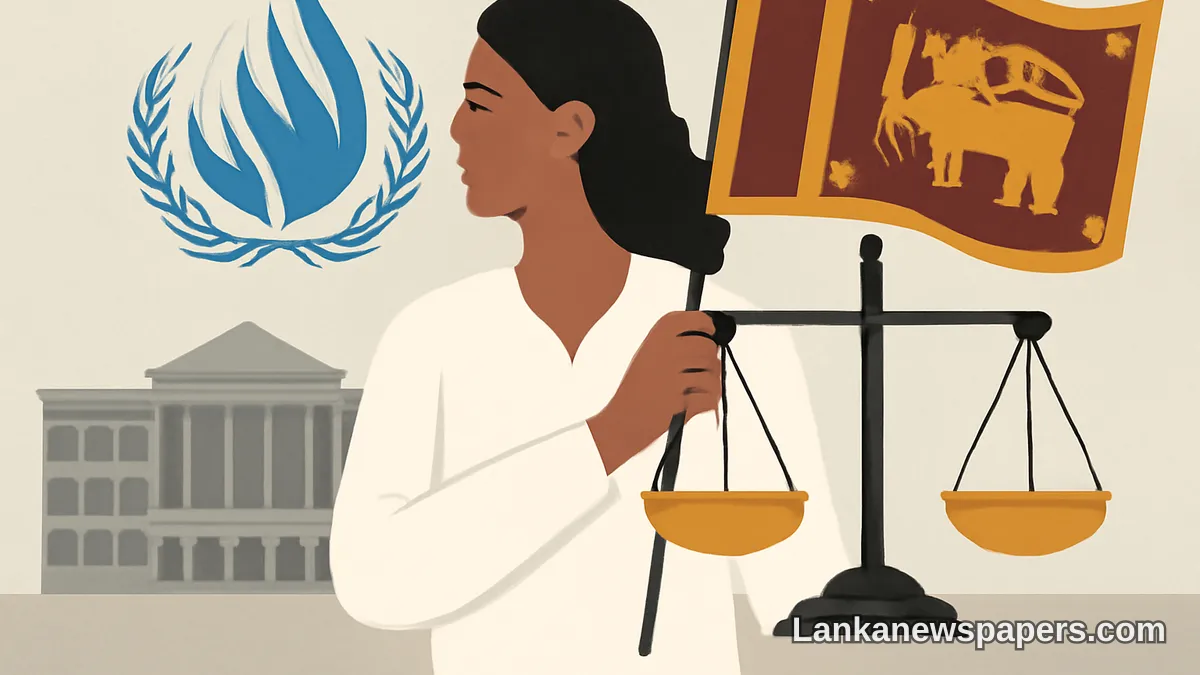
UN Urges Sri Lanka to Deliver on Long-Overdue Human Rights Commitments
The United Nations human rights office has issued a fresh report calling on Sri Lanka to take meaningful and measurable steps toward accountability for past human rights violations, while also pushing for deeper reforms across key state institutions.
The report, released by the Office of the United Nations High Commissioner for Human Rights (OHCHR), highlights persistent concerns over the slow pace of transitional justice in the island nation and urges authorities to move beyond rhetoric and into concrete action.
Key Findings of the Report
Among the central themes raised in the UN assessment are the need for credible domestic accountability mechanisms capable of addressing alleged violations committed during and after the decades-long civil conflict, as well as systemic institutional reforms that would bring Sri Lanka's governance structures into alignment with international human rights standards.
The report specifically emphasises the following priorities:
- Establishing transparent and independent accountability processes for wartime atrocities
- Reforming security sector institutions to prevent future abuses
- Strengthening the independence of the judiciary and law enforcement bodies
- Ensuring the meaningful participation of victims and affected communities in transitional justice processes
- Repealing or amending legislation that has been used to suppress civil liberties and silence dissent
Victims and Civil Society at the Centre
The OHCHR report underscores that any credible reform process must place survivors, particularly those from war-affected Tamil and Muslim communities in the North and East, at its heart. It warns that continued delays in delivering justice risk deepening distrust between affected communities and the state.
The UN human rights office has consistently maintained that accountability is not optional but a prerequisite for lasting peace and reconciliation in Sri Lanka.
Sri Lanka's Response and International Scrutiny
Sri Lanka has faced sustained international scrutiny at the UN Human Rights Council in Geneva over its handling of post-war accountability. While successive governments have made periodic pledges to pursue reconciliation and reform, critics and international observers argue that tangible progress on the ground has remained limited.
The current administration under President Anura Kumara Dissanayake has signalled openness to engagement with international bodies, though firm commitments on accountability mechanisms are yet to be publicly detailed.
A Critical Moment for Reform
Human rights advocates in Colombo and abroad say this latest UN report arrives at a politically significant moment, with a new government in power and renewed domestic appetite for systemic change following the economic crisis-driven political upheaval of recent years.
The OHCHR has indicated it will continue to monitor developments closely and report back to the Human Rights Council on Sri Lanka's compliance with its international obligations.

💬 Join the Discussion 1
See what readers are saying — and add your view.
UN can talk all they want, our goverment wont listen as usual