Sri Lanka's Public Debt Shifts as Bilateral and Multilateral Borrowings Rise While Commercial Debt Declines in First Half of 2026
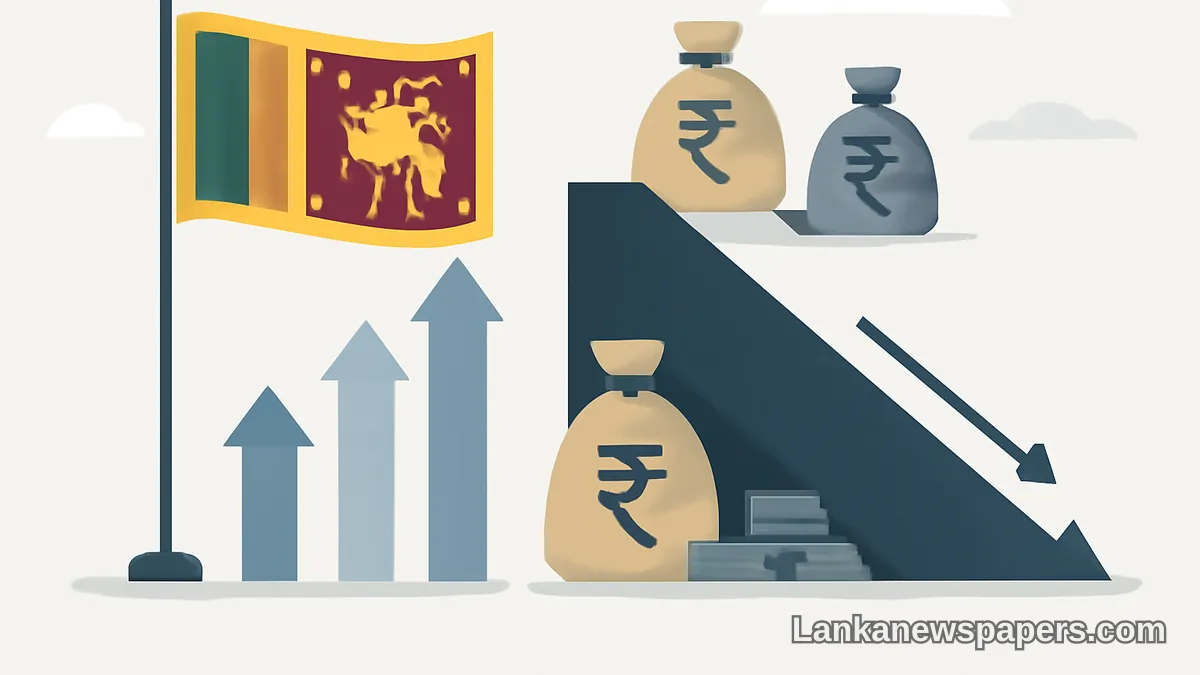
Sri Lanka's external debt profile has undergone a notable structural shift during the first half of 2026, with bilateral and multilateral borrowings recording an increase while commercial debt continued to decline, according to data released by the Treasury.
Rising Official Creditor Exposure
Figures from the Treasury indicate that debt owed to bilateral and multilateral creditors grew during the January to June 2026 period. This trend reflects Sri Lanka's continued reliance on concessional financing from official lenders as the country navigates its ongoing economic recovery following the historic sovereign debt default of 2022.
Multilateral institutions such as the International Monetary Fund, the World Bank, and the Asian Development Bank have played a central role in providing financial lifelines to Colombo, and the latest data suggests that exposure to these creditors has expanded further within the review period.
Commercial Debt on a Downward Path
In contrast, commercial debt — which typically carries higher interest rates and shorter repayment terms — recorded a decline during the same period. This reduction is broadly seen as a positive indicator, suggesting that Sri Lanka is gradually reducing its dependence on costlier market-based borrowings as part of its broader debt restructuring efforts.
The decline in commercial debt aligns with the country's ongoing debt restructuring process, through which Colombo has been working to renegotiate obligations with private creditors, including holders of international sovereign bonds.
Context Within Debt Restructuring
Sri Lanka formally defaulted on its external debt in April 2022 amid a devastating foreign exchange crisis that led to severe shortages of fuel, medicine, and essential goods. Since then, the government has been engaged in a structured programme supported by the IMF to restore macroeconomic stability and put the country's debt on a sustainable footing.
- Agreements with bilateral creditors, including key partners such as India, Japan, and China, have been a critical component of the restructuring framework.
- Negotiations with private bondholders were also concluded as part of the broader debt resolution process.
- The IMF's Extended Fund Facility has served as an anchor for restoring creditor confidence.
Outlook
Analysts have noted that while the shift toward official creditor financing provides breathing room in the short term, Sri Lanka will need to maintain fiscal discipline and sustain reform momentum to eventually return to international capital markets on favourable terms.
The movement away from expensive commercial borrowings and toward concessional official financing is a deliberate and necessary step in Sri Lanka's debt sustainability journey.
The Treasury is expected to release a more comprehensive breakdown of the country's public debt position as part of its regular reporting obligations under the IMF programme, which will provide further clarity on the trajectory of Sri Lanka's overall debt burden in the months ahead.



💬 Join the Discussion 0
Be the first to share your view on this story.