Wells Run Dry and Livelihoods Crumble as El Niño Drought Tightens Its Grip on Sri Lanka
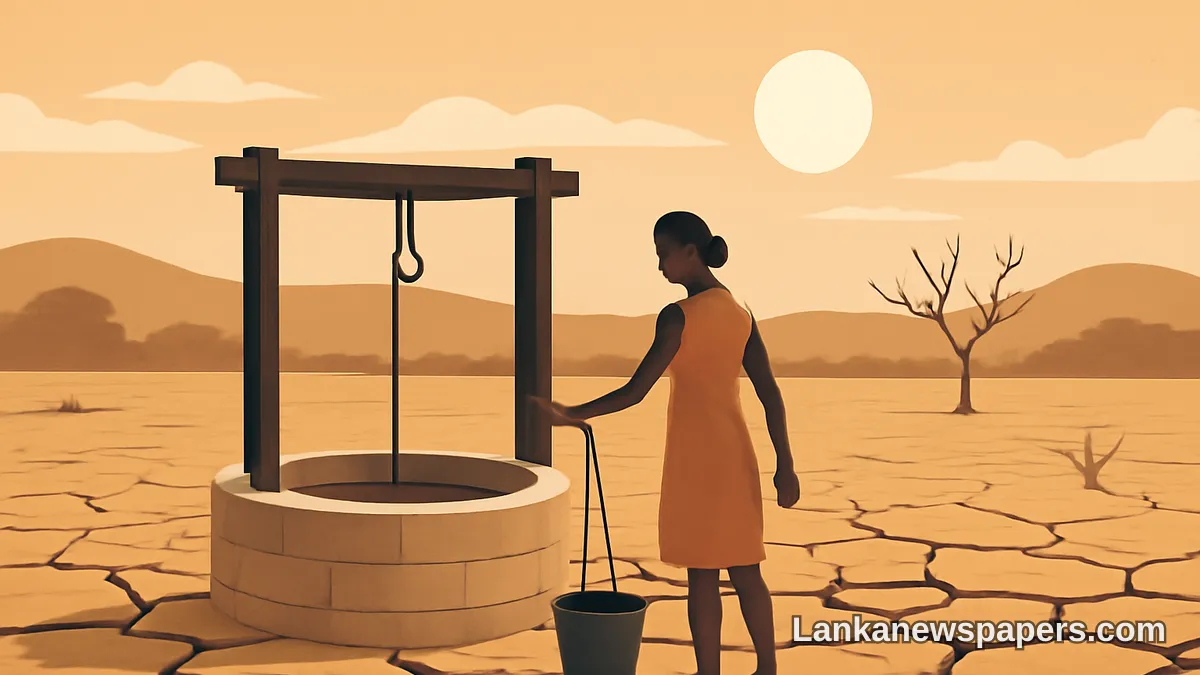
Sri Lanka is facing a worsening drought crisis driven by the El Niño weather phenomenon, leaving rural communities struggling as wells run dry and farmers watch their incomes shrink to a fraction of what they once earned.
A Nation Parched
Across affected regions of the island, the signs of severe water stress are impossible to ignore. Wells that once reliably supplied households and smallholder farms with water have dried up entirely, forcing families to travel longer distances in search of an increasingly scarce resource. The crisis is not merely an inconvenience — for many Sri Lankans whose livelihoods depend directly on agriculture, it represents an existential threat.
El Niño, the periodic climate pattern characterised by warming of Pacific Ocean surface temperatures, has disrupted rainfall patterns across South and Southeast Asia, and Sri Lanka has not been spared. The reduced rainfall has hit the island's agricultural heartlands particularly hard, depleting both surface water sources and underground water tables.
Farmers Bear the Heaviest Burden
For Sri Lanka's farming communities, the deepening drought has translated directly into falling crop yields and shrinking incomes. With insufficient water to irrigate fields, many farmers have been forced to reduce the scale of their cultivation or abandon certain crops altogether. The financial consequences have been severe, compounding hardships already felt by rural households still recovering from the country's broader economic difficulties in recent years.
Smallholder farmers, who make up a significant portion of Sri Lanka's agricultural workforce, have been among the most vulnerable. Without the resources to invest in alternative irrigation solutions or to absorb prolonged income losses, many are finding themselves in increasingly desperate circumstances.
A Broader Climate Warning
The current crisis has drawn renewed attention to Sri Lanka's long-term vulnerability to climate change and extreme weather events. Experts have long warned that the island nation, with its dependence on rain-fed agriculture and its dense rural population, is particularly exposed to the kind of disruption that El Niño events bring.
- Groundwater levels have dropped significantly in drought-affected districts
- Crop yields in key agricultural zones have declined sharply
- Farmer household incomes have fallen as harvests dwindle
- Water scarcity is affecting both drinking water supplies and irrigation
Authorities and relief organisations have been called upon to accelerate support for affected communities, including emergency water distribution and financial assistance for farmers facing crop losses.
Urgent Action Needed
As the drought shows little immediate sign of easing, pressure is mounting on the government to treat the situation as a national emergency. Agricultural experts and civil society groups are urging both short-term relief measures and longer-term investments in water conservation infrastructure to better prepare Sri Lanka for future climate shocks.
For the farmers and rural families at the sharp end of this crisis, however, the priority is far more immediate — finding enough water to survive today, and wondering whether next season's harvest will come at all.



💬 Join the Discussion 1
See what readers are saying — and add your view.
our village well also dried up last month, goverment doing nothing