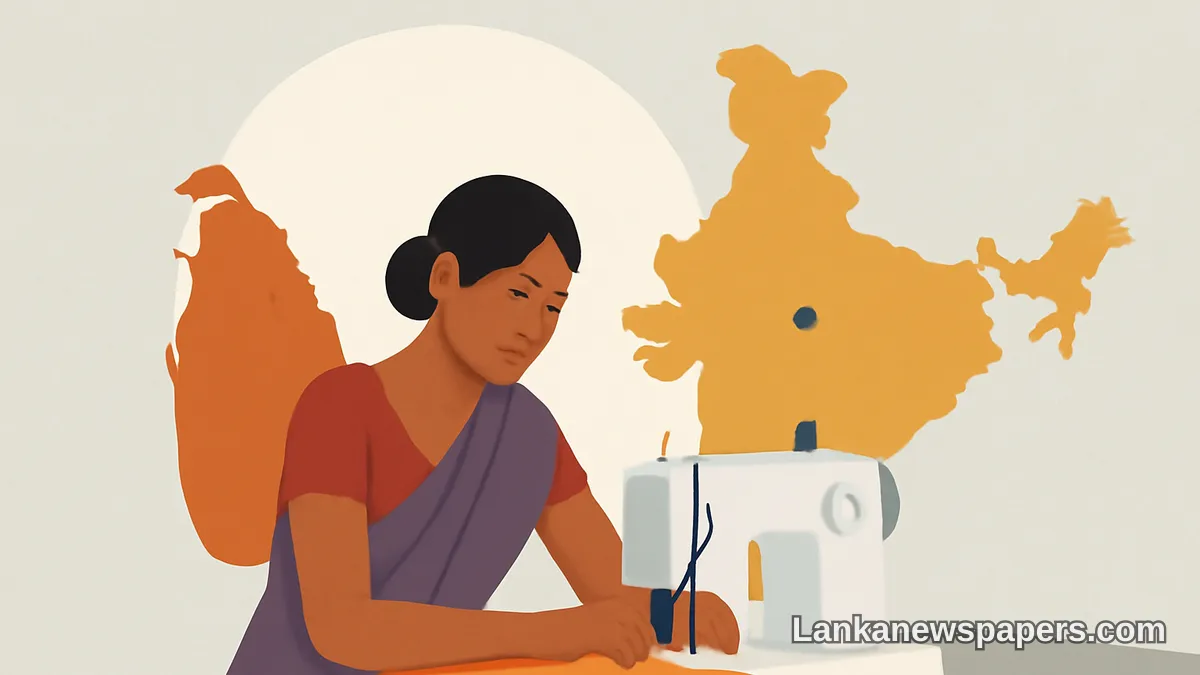
Sri Lanka's apparel giant MAS Holdings is reportedly expanding its footprint in India while simultaneously reducing operations on home soil, raising serious concerns about the future of one of the country's most vital industries and the livelihoods of thousands of workers who depend on it.
A Strategic Shift Taking Shape
MAS Holdings, long regarded as a cornerstone of Sri Lanka's export-driven economy and a flagship name in the global apparel manufacturing sector, has been gradually redirecting investment and operational capacity toward India. The move signals a significant strategic realignment for a company that built its reputation and international standing largely on the strength of its Sri Lankan workforce and infrastructure.
The company's scaling back of local operations has sparked debate among industry observers, trade unions, and policymakers who are now questioning what this shift means for employment, foreign exchange earnings, and the broader health of Sri Lanka's manufacturing sector.
Why India Is Becoming More Attractive
Several factors appear to be driving MAS towards India as a preferred manufacturing destination:
- Lower labour costs compared to Sri Lanka, where wages and operational expenses have risen considerably in recent years.
- India's vast domestic textile ecosystem, which provides easier and cheaper access to raw materials and fabric inputs.
- Preferential trade agreements that India holds with key export markets, giving manufacturers a competitive edge on tariffs.
- A large and readily available workforce spread across multiple states, offering greater scalability for production expansion.
- Active incentives offered by Indian state governments to attract foreign and domestic apparel investment.
The Cost of Doing Business in Sri Lanka
Sri Lanka's prolonged economic crisis, which triggered soaring inflation, energy shortages, and currency depreciation, significantly increased the cost burden on manufacturers operating in the country. Many apparel sector players found themselves squeezed between rising operational costs and the unrelenting pressure from global buyers demanding lower prices and faster turnaround times.
For MAS, which supplies to some of the world's biggest fashion and sportswear brands, maintaining competitive pricing is not optional — it is essential to retaining key contracts. When Sri Lanka's cost structures make that difficult, looking outward becomes a business imperative rather than a mere preference.
Impact on Workers and Communities
The human dimension of this corporate pivot is perhaps the most pressing concern for Sri Lankan stakeholders. The apparel industry employs hundreds of thousands of workers across the island, the majority of them women from rural communities for whom factory employment represents a critical source of income and economic independence.
Any significant reduction in MAS's local operations could translate directly into job losses, reduced household incomes, and increased economic vulnerability in communities that have few alternative employment opportunities.
Industry analysts warn that if large players like MAS continue to shift capacity abroad, Sri Lanka risks losing its hard-earned position as a premium apparel sourcing destination — a status built over decades of investment in worker welfare, compliance standards, and product quality.
Government Response Under Scrutiny
The situation puts pressure on the Sri Lankan government to examine whether existing policies are doing enough to retain major investors and keep manufacturing activity on local soil. Questions are being raised about the adequacy of incentives for export-oriented industries, the flexibility of labour regulations, and the pace at which structural economic reforms are being implemented.
Trade and industry bodies have been calling on authorities to engage directly with apparel sector leaders to understand their concerns and develop targeted policy responses before further capacity migrates to competing nations.
A Wake-Up Call for Sri Lanka Inc.
MAS Holdings' pivot to India should not be viewed in isolation. It reflects a broader competitive reality facing Sri Lanka as it attempts to recover from its worst economic crisis in modern history. Retaining anchor investors and preventing the gradual hollowing out of key export industries will require bold, coordinated action from both the public and private sectors.
For a country still finding its economic footing, the stakes could hardly be higher. The garment industry has been one of Sri Lanka's most reliable engines of export revenue and employment for decades. Allowing that engine to idle — or worse, relocate — would be a setback the country can ill afford.


💬 Join the Discussion 3
See what readers are saying — and add your view.
What about the workers in Katunayake and Seeduwa? Who thinking about them?
MAS been here for decades, now they running to India. goverment failed them simple as that.
not just goverment la, wages here too high also no? India cheaper.