Taiwanese Man Wins Adultery Case But Lands Behind Bars After Using Robot Vacuum to Spy on Wife
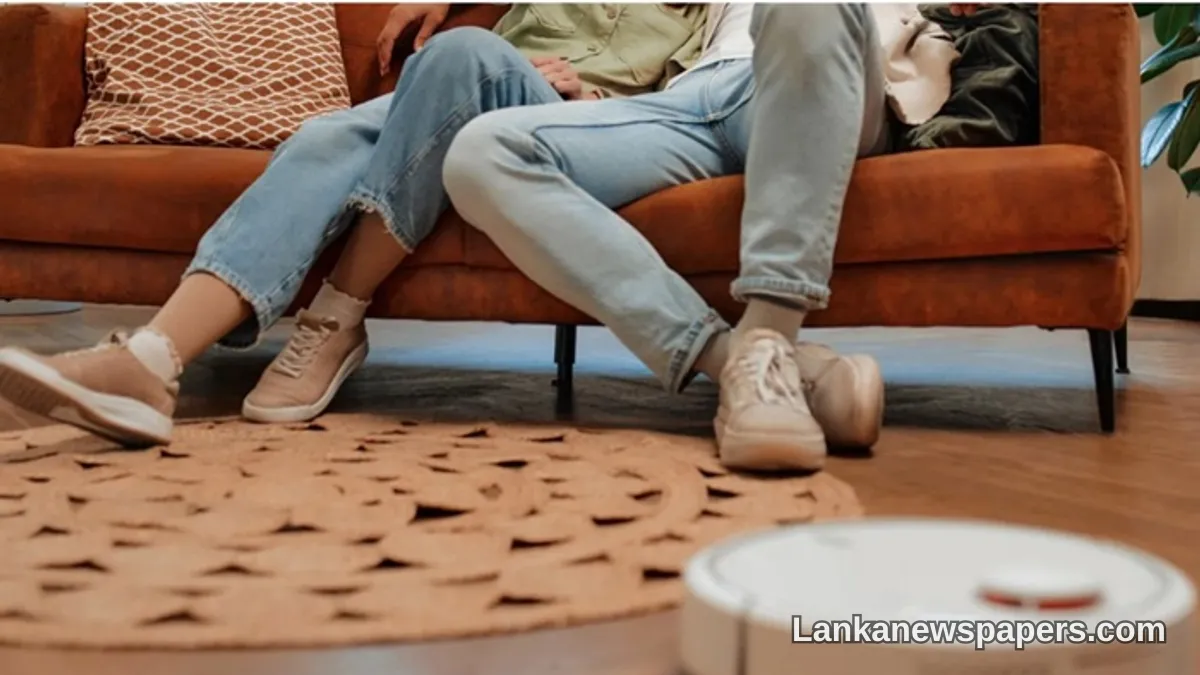
A Taiwanese man found himself in a bittersweet legal predicament after successfully proving his wife's infidelity in court — only to be handed a prison sentence for the very method he used to expose it.
A Clever but Costly Strategy
The man had secretly modified a robot vacuum cleaner, equipping it with a hidden camera to record activity inside his home. The footage captured his wife engaging in an extramarital affair, and he subsequently used the recordings as evidence in a civil lawsuit against her. The court ruled in his favour, accepting the footage as proof of adultery.
Victory in One Court, Defeat in Another
However, the legal win came at a steep personal cost. Authorities determined that the covert recording violated Taiwan's privacy laws, as the device had also captured footage of individuals who had not consented to being filmed. The man was prosecuted under surveillance-related statutes and ultimately sentenced to a jail term, despite his argument that he was merely trying to uncover wrongdoing within his own home.
A Cautionary Legal Tale
The case has drawn significant public attention across Asia, raising important questions about the boundaries between personal rights and privacy law. Legal experts have highlighted several key takeaways from this unusual case:
- Evidence obtained through covert surveillance, even within one's own residence, may still constitute a criminal offence.
- Civil courts and criminal courts can reach contradictory conclusions based on the same set of facts.
- The growing use of smart home devices creates new and largely uncharted legal territory.
Broader Implications
The ruling serves as a stark reminder that in many jurisdictions, including Sri Lanka, the manner in which evidence is gathered can be just as legally significant as the evidence itself. Citizens are urged to seek proper legal counsel before resorting to covert recording, even when they suspect wrongdoing by a spouse or partner.
Legal professionals warn that good intentions do not automatically shield individuals from criminal liability when privacy laws are breached in the process of gathering evidence.
The case continues to spark debate online, with many questioning whether existing privacy laws are adequately equipped to handle the realities of modern surveillance technology in domestic settings.



💬 Join the Discussion 0
Be the first to share your view on this story.