UN Warns Sri Lanka Faces Heightened Climate and Food Security Threats Amid El Niño
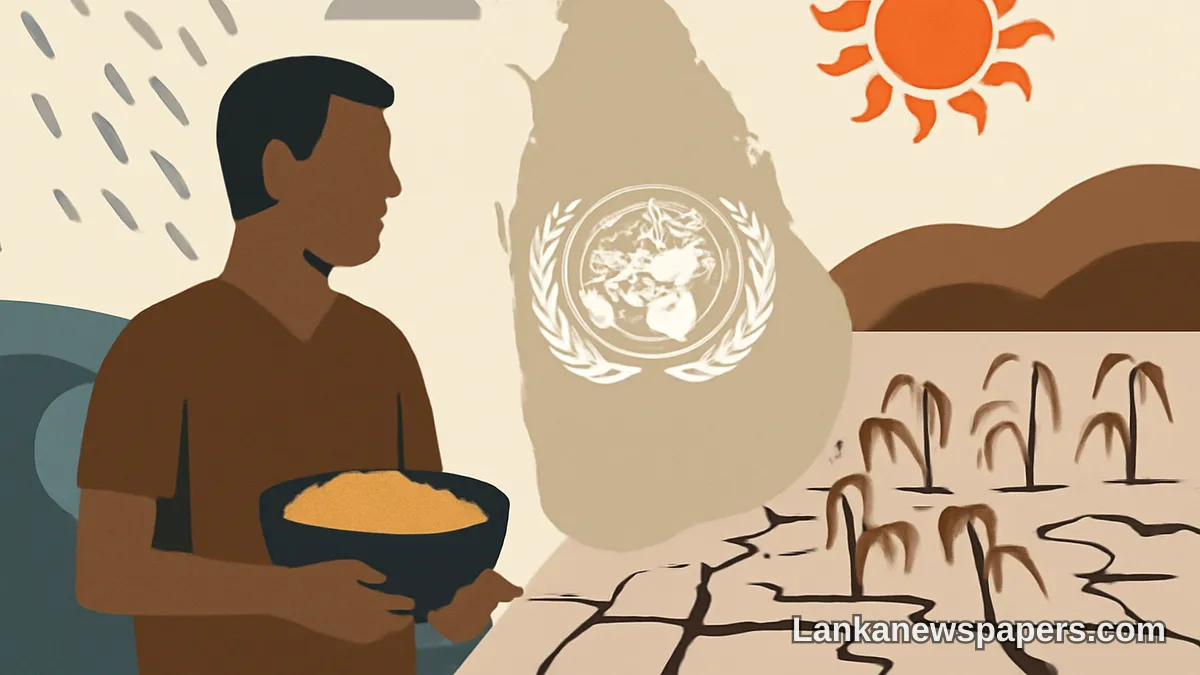
Sri Lanka is among the countries facing significantly elevated risks to its climate systems and food security as the El Niño weather phenomenon continues to exert pressure across the Asia-Pacific region, according to a newly released United Nations report.
What the UN Report Found
The United Nations assessment highlights that El Niño — a periodic warming of ocean surface temperatures in the central and eastern Pacific — is triggering a cascade of environmental and agricultural disruptions across vulnerable nations, with Sri Lanka identified as particularly exposed to its adverse effects.
The report points to intensified drought conditions, erratic rainfall patterns, and heightened risks of crop failure as among the key threats facing the island nation. These factors, the UN warns, could place considerable strain on Sri Lanka's already fragile food systems, which are still recovering from the severe economic crisis that gripped the country in recent years.
Food Security Under Pressure
Sri Lanka's agricultural sector, which relies heavily on seasonal monsoon rains to sustain staple crop production — particularly rice — is especially vulnerable to the irregular precipitation patterns associated with El Niño episodes. A disruption to these cycles can reduce yields, drive up food prices, and deepen hardship for rural farming communities.
The UN report underscores that lower-income households and smallholder farmers are disproportionately affected, as they have limited capacity to absorb production losses or adapt quickly to shifting weather conditions.
Broader Regional Context
Sri Lanka is not alone in facing these challenges. Several South and Southeast Asian nations are contending with similar El Niño-driven threats, but the UN notes that countries with pre-existing economic vulnerabilities face compounded risks when climate shocks coincide with weakened social safety nets and reduced government resources.
Calls for Preparedness
The United Nations is urging governments in affected regions, including Sri Lanka, to strengthen early warning systems, invest in climate-resilient agriculture, and reinforce food distribution networks to cushion the impact on vulnerable populations.
Authorities in Colombo have yet to issue a formal public response to the UN findings, though meteorological agencies have been monitoring El Niño developments closely as the country navigates what forecasters describe as one of the more significant El Niño cycles in recent memory.
For a nation still working to stabilise its economy and rebuild public confidence, the intersection of climate risk and food insecurity presents a formidable challenge that policymakers will need to address with urgency in the months ahead.



💬 Join the Discussion 4
See what readers are saying — and add your view.
food prices already sky high, now this also. poor ppl how to manage
what is El Nino even doing to our rainfall this season someone explain
every year UN warning but goverment does nothing no?
exactly, just talk only. farmers suffering already.