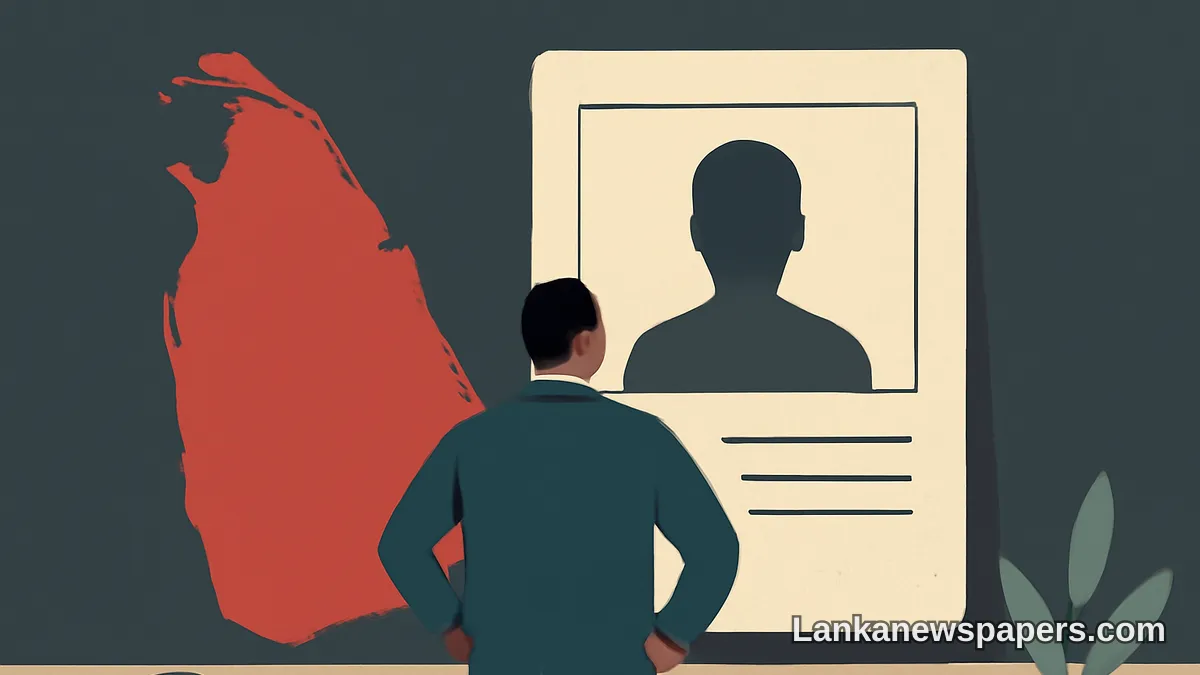
A significant conference held in Jaffna has cast a sharp spotlight on Sri Lanka's persistent failure to address the thousands of enforced disappearances that have haunted families — particularly in the island's north and east — for decades.
A Crisis Left Unresolved
The gathering brought together affected families, civil society representatives, and advocates who shared testimony and analysis on the scale of enforced disappearances in Sri Lanka, a crisis that human rights organisations have long described as one of the most serious unresolved legacies of the country's protracted civil conflict.
Sri Lanka is widely reported to have one of the highest numbers of enforced disappearances in the world, with estimates running into the tens of thousands. Despite successive governments making pledges — both domestically and before international bodies — meaningful accountability and answers for grieving families have remained elusive.
Families Still Waiting for Truth
For many Tamil families in the north and east, the pain of not knowing the fate of their loved ones has stretched across generations. Mothers, wives, and children who last saw relatives during the height of the armed conflict or in its immediate aftermath continue to demand answers that the state has yet to provide.
- Thousands of disappearance cases remain officially unresolved
- Families have repeatedly called for independent and credible investigations
- Previous government-appointed commissions have been widely criticised for lacking transparency and follow-through
- International pressure on Colombo to deliver accountability has continued to mount
Institutional Shortcomings Under Scrutiny
The Office on Missing Persons, established by the Sri Lankan government as a formal mechanism to address disappearances, has faced sustained criticism from victims' groups and human rights defenders who argue that the body lacks the independence and authority necessary to deliver genuine justice.
Families affected by enforced disappearances have consistently expressed that they want truth, accountability, and recognition — not symbolic gestures that fail to produce real answers.
Calls for International Engagement
Participants at the Jaffna conference reiterated calls for robust international engagement to ensure that Sri Lanka is held to its human rights commitments. Advocates argued that without external pressure and oversight, the prospects for meaningful domestic accountability remain dim.
The conference underscored a deeply uncomfortable reality: that for thousands of Sri Lankan families — predominantly Tamil — justice remains not just delayed, but effectively denied. As the international community continues to watch Colombo's handling of transitional justice, the voices raised in Jaffna serve as a powerful reminder that the wounds of the past are far from healed.

💬 Join the Discussion 2
See what readers are saying — and add your view.
goverment been ignoring this for 30 years, nothing new honestly
exactly, they talk talk but no action ever