Sri Lanka and India Move to Clear Legal Barriers Blocking Safe Return of Tamil Refugees
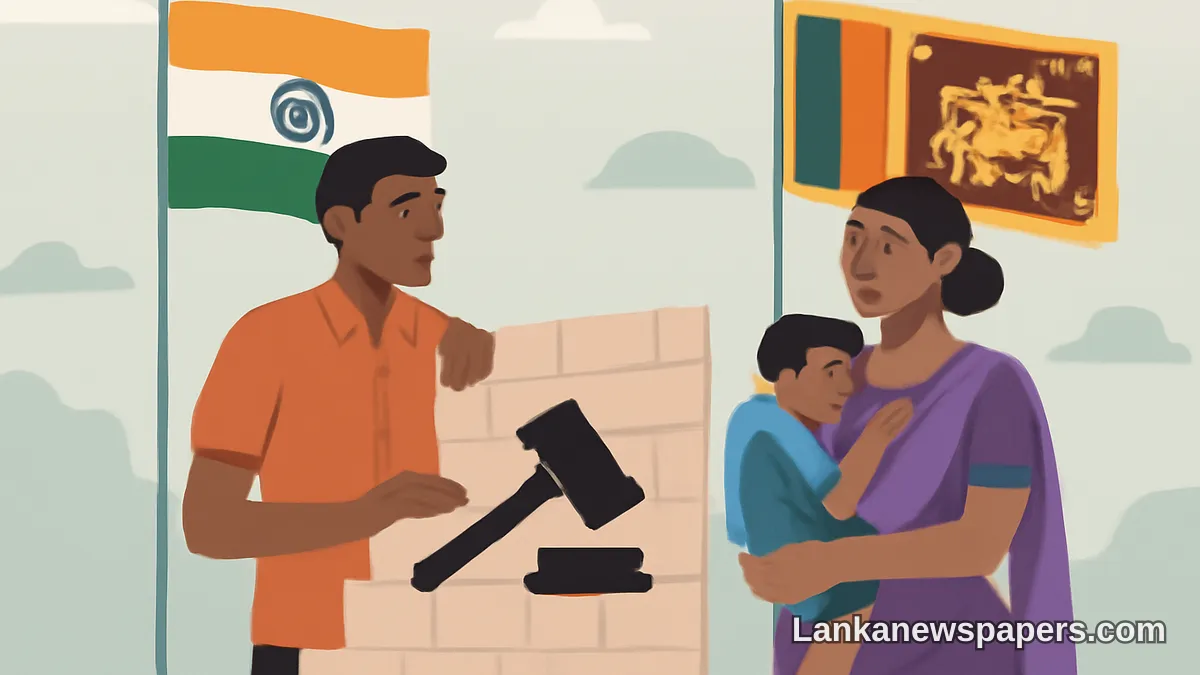
Path Home Made Easier for Sri Lankan Refugees Sheltering in India
Efforts are underway to remove longstanding legal obstacles that have prevented Sri Lankan refugees living in India from returning to their homeland safely, in a development that offers fresh hope to thousands of Tamil families displaced by decades of civil conflict.
The move signals a meaningful shift in the approach taken by both governments toward resolving the prolonged humanitarian situation affecting Sri Lankan refugees, many of whom have lived in camps across Tamil Nadu for years — some for generations — following their flight from the island during the bitter years of the armed conflict.
A Bureaucratic Wall Finally Coming Down
One of the most persistent challenges facing returning refugees has been navigating a complex web of legal and administrative requirements that made repatriation a daunting and often impossible process. Issues surrounding documentation, legal status, and resettlement eligibility have historically left many refugees in a state of prolonged uncertainty, unable to move forward in either country.
Authorities are now working to streamline these procedures, with the aim of creating a clearer, more compassionate framework that allows eligible refugees to return to Sri Lanka without fear of legal repercussion or bureaucratic entanglement.
Decades of Displacement
The refugee crisis traces its roots to the ethnic tensions and civil war that ravaged Sri Lanka from 1983 until the conflict's end in 2009. During that period, large numbers of Tamil civilians fled to southern India — particularly Tamil Nadu — seeking safety from the violence. While the war has long since ended, full repatriation has remained an unfinished chapter of Sri Lanka's post-war story.
- Many refugees have spent more than two decades in Indian refugee camps
- A significant number lack valid documentation required for legal return
- Resettlement support and land access in Sri Lanka remain key concerns
- Younger generations born in India face particular challenges establishing legal identity in Sri Lanka
A Step Toward Closure
For Sri Lanka, facilitating the dignified return of its citizens remains both a moral obligation and a marker of genuine post-war reconciliation. Advocates for the refugee community have long argued that legal and administrative barriers must be addressed before any large-scale voluntary repatriation can succeed.
The easing of legal hurdles represents a critical step, but rights groups stress that sustainable return requires not just paperwork reform, but concrete guarantees of safety, land rights, and livelihood support for those coming home.
The development is being watched closely by humanitarian organisations and the Sri Lankan Tamil diaspora, who see the treatment of returning refugees as a key indicator of the country's broader commitment to reconciliation and the protection of minority rights.
Further details on the specific legal amendments and the timeline for implementation are expected to be made public in the coming weeks as both governments continue their discussions.

💬 Join the Discussion 4
See what readers are saying — and add your view.
ppl suffered so long, this is long overdue honestly
what about the land issues still not solved no? where will they go back to
finally some good news, hope they can come home safely after all these years
but will goverment actually follow through or just talk only