Grid Stability Concerns Prompt NSO to Request Temporary Shutdown of Large Rooftop Solar Installations
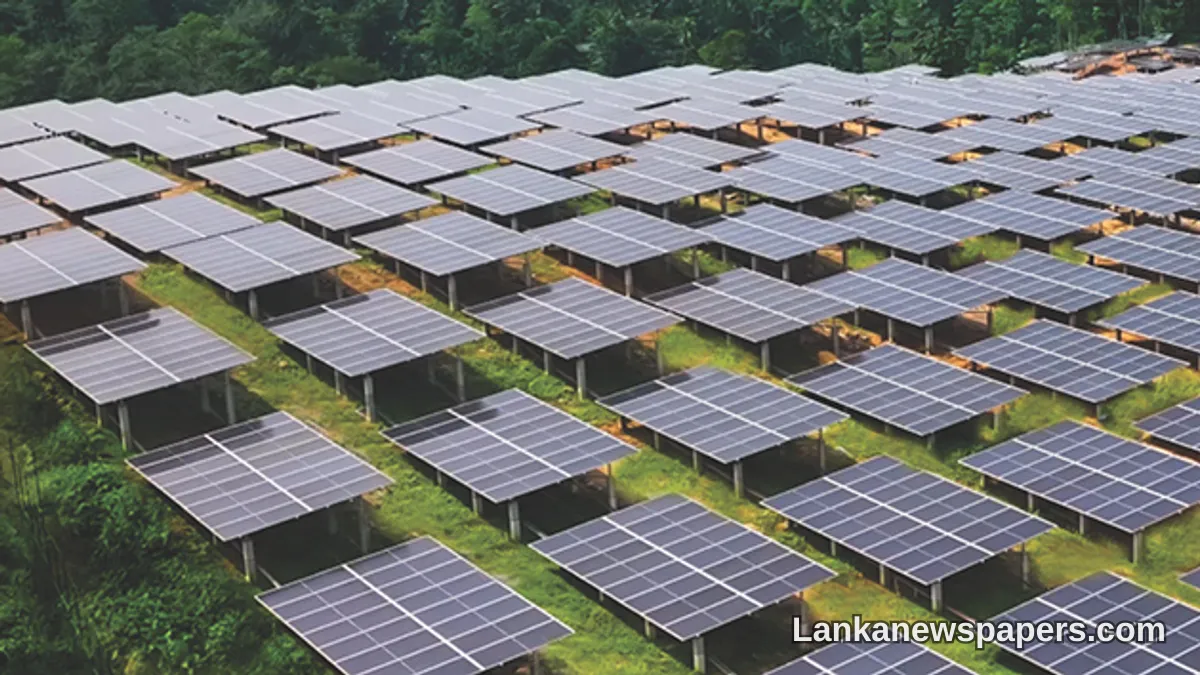
The National System Operator (Pvt) Ltd has issued a formal notice requesting the temporary deactivation of rooftop solar power systems above a specified capacity threshold, citing concerns related to the stability of Sri Lanka's national electricity grid.
Why the Switch-Off Is Being Requested
The move comes as grid operators work to manage the balance between electricity supply and demand across the national network. Large rooftop solar installations, while a key component of Sri Lanka's renewable energy ambitions, can introduce fluctuations in grid frequency and voltage when operating in significant numbers simultaneously, particularly during periods of low national energy demand.
The NSO, which is responsible for coordinating and overseeing the secure operation of Sri Lanka's electricity transmission system, has determined that a temporary curtailment of larger rooftop solar units is necessary to maintain safe and reliable grid conditions.
Who Is Affected
- Owners and operators of rooftop solar systems that exceed the capacity level specified in the official notice are required to comply with the deactivation request.
- Smaller residential rooftop solar installations below the stated threshold are not affected by this directive.
- Commercial and industrial premises with high-capacity solar setups are among those expected to be impacted.
A Sign of a Growing Renewable Energy Sector
Sri Lanka has seen a significant expansion in rooftop solar adoption in recent years, driven by rising electricity tariffs and strong government incentives promoting clean energy. However, the rapid growth of distributed solar generation has increasingly posed technical challenges for grid managers tasked with ensuring a steady and reliable power supply across the island.
The temporary measure underscores the need for Sri Lanka to invest in modern grid infrastructure capable of accommodating the growing volume of renewable energy being fed into the national system.
Next Steps
Authorities have not indicated a specific timeline for how long the deactivation period will last, suggesting that the decision will be guided by real-time assessments of grid conditions. Solar system owners are urged to monitor official communications from the NSO and the Ceylon Electricity Board for further updates and instructions.
Energy sector analysts note that while such switch-off notices may cause short-term inconvenience for solar users, they reflect the broader complexities involved in transitioning a national grid toward a higher share of intermittent renewable energy sources. Long-term solutions, including grid modernisation and battery storage investments, will be critical to avoiding such disruptions in the future.


💬 Join the Discussion 3
See what readers are saying — and add your view.
is this only for big installations or small home ones too?
they make us buy solar panels then ask us to switch off. typical.
exactly no. spent 600k and now this nonsense.