Central Bank of Sri Lanka Launches Search for Liquidators to Wind Up Failed Financial Institutions
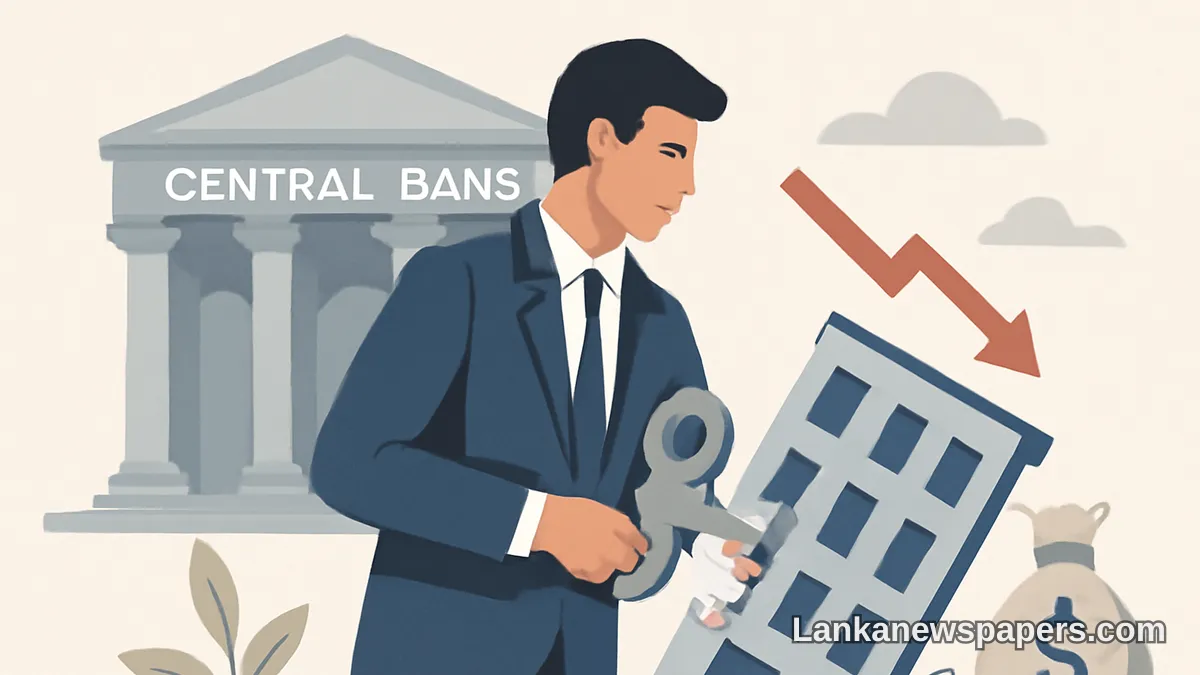
The Central Bank of Sri Lanka (CBSL) has begun a formal process to identify and appoint qualified liquidators to manage the winding up of troubled banks and finance companies that have been placed under regulatory oversight, as part of its broader effort to resolve long-standing problems in the country's financial sector.
Addressing a Persistent Problem in the Financial Sector
The move signals a more structured approach by the central bank to deal with financially distressed institutions that have been unable to meet their obligations to depositors and creditors. Sri Lanka has seen several banks and finance companies struggle in recent years, with some having been under regulatory supervision for extended periods without a clear resolution.
By bringing in professional liquidators, the CBSL aims to ensure that the process of winding down these institutions is handled in an orderly, transparent, and legally compliant manner — ultimately protecting the interests of depositors and maintaining confidence in the broader financial system.
What the Appointment of Liquidators Means
Liquidators play a critical role in the resolution of failed financial institutions. Their responsibilities typically include:
- Taking control of the assets and liabilities of the troubled institution
- Recovering outstanding loans and other assets where possible
- Settling claims made by depositors and creditors in accordance with the law
- Ensuring the process is completed efficiently and within the applicable legal framework
The appointment of competent liquidators is seen as essential to minimising losses for depositors, many of whom have been waiting years to recover their savings from institutions that collapsed or were suspended from operations.
Restoring Stability and Public Trust
The CBSL's decision reflects its commitment to resolving legacy issues that have weighed on Sri Lanka's financial sector for years. Several finance companies in particular have been under regulatory intervention, leaving thousands of ordinary Sri Lankans uncertain about the fate of their deposits.
Bringing these cases to a formal conclusion through a structured liquidation process is expected to provide much-needed clarity for affected parties and help restore public confidence in the regulatory framework governing financial institutions in the country.
Further details regarding the selection criteria for liquidators and the specific institutions involved are expected to be released by the central bank in due course.

💬 Join the Discussion 0
Be the first to share your view on this story.