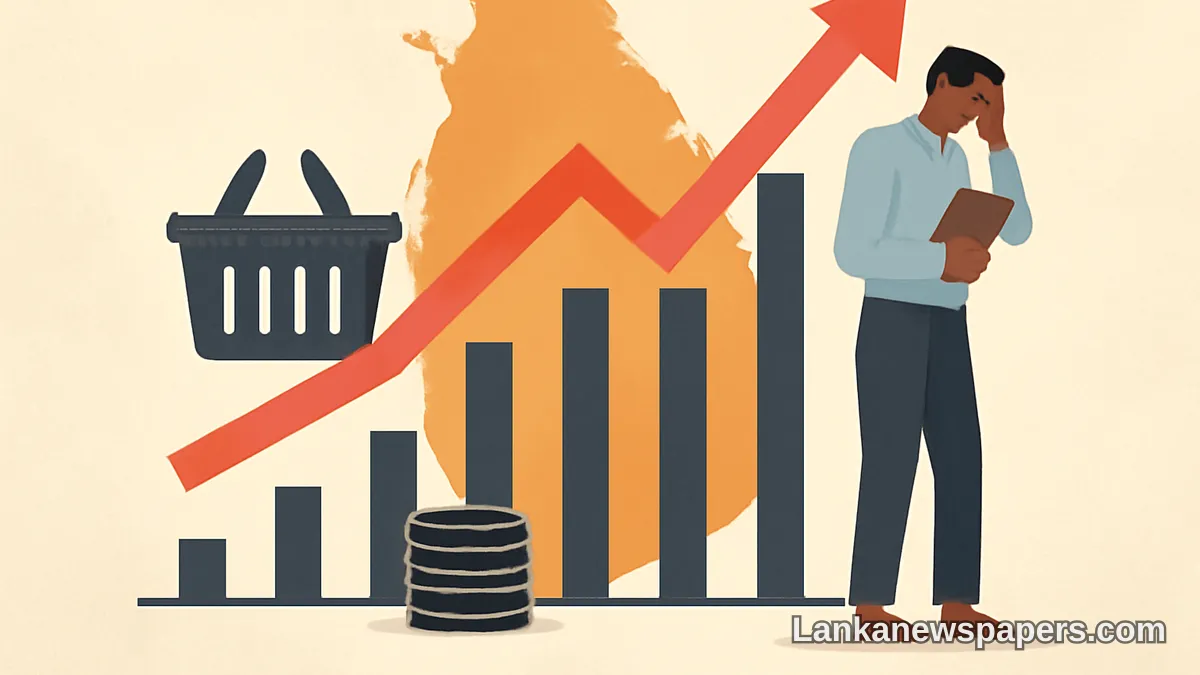
Sri Lanka's inflation rate rose to 7.2% in July, marking a notable uptick that is likely to intensify cost-of-living pressures on households across the island as the country continues its fragile economic recovery.
Rising Prices Weigh on Consumers
The increase in the inflation rate reflects growing pressure on everyday expenses, with Sri Lankan families already navigating the aftermath of the country's worst economic crisis in decades. A rise to 7.2% signals that the cost of goods and services continues to climb, eroding purchasing power for ordinary citizens.
The development comes at a sensitive time for Sri Lanka, which has been working to stabilise its economy following the 2022 financial collapse that led to severe shortages of fuel, medicine, and essential food items. While significant progress has been made under an International Monetary Fund recovery programme, inflationary trends remain a key challenge for policymakers.
Implications for Monetary Policy
The latest inflation figures are expected to draw close attention from the Central Bank of Sri Lanka, which has been carefully managing interest rates as part of broader efforts to achieve macroeconomic stability. A sustained rise in inflation could prompt authorities to reassess the current monetary policy stance.
Economists warn that if inflationary pressures are not kept in check, the gains made through fiscal consolidation and debt restructuring could be undermined, making it harder to restore public confidence in the economy.
Broader Economic Context
Sri Lanka has made measurable strides in recent months, including securing debt restructuring agreements with key creditors and maintaining foreign exchange reserves at more stable levels. However, the July inflation data serves as a reminder that the road to full economic recovery remains uneven.
Citizens, particularly those in lower-income brackets, continue to feel the strain of elevated prices for food, transport, and utilities. Advocacy groups have called on the government to implement targeted relief measures to cushion the impact on vulnerable communities.
The government and the Central Bank are expected to respond to the latest figures as part of their ongoing efforts to bring inflation within a manageable range and sustain the momentum of economic stabilisation.


💬 Join the Discussion 2
See what readers are saying — and add your view.
7.2% they say, but feel like double that at the pola these days
exactly, rice and dhal prices gone mad, dont trust these numbers