Two Decades of Silence: The Muttur Massacre and Sri Lanka's Unresolved Legacy of Impunity
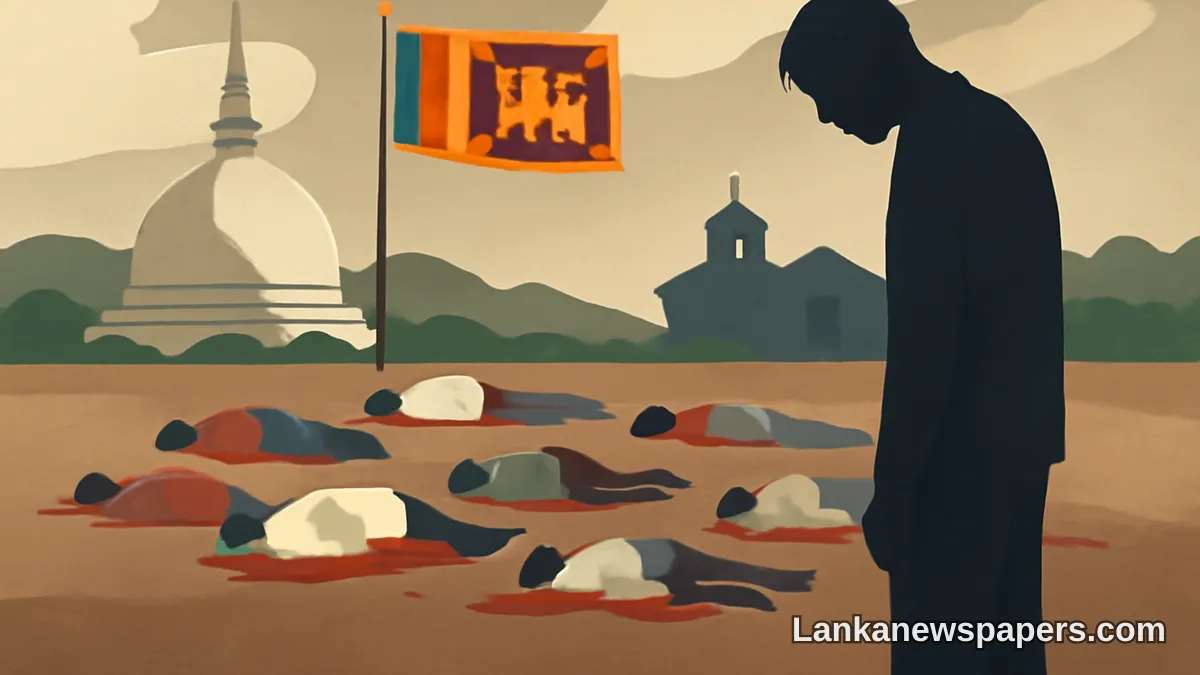
A Wound That Has Never Healed
Twenty years have passed since one of the most shocking atrocities committed against humanitarian workers in Sri Lanka's long civil war, yet justice for the victims of the Muttur massacre remains as elusive as ever. French newspaper Le Monde has drawn renewed international attention to the killings, describing the case as a defining example of the culture of impunity that continues to surround attacks on aid workers worldwide.
What Happened in Muttur
The massacre took place in the eastern town of Muttur, where seventeen Sri Lankan staff members of Action Contre la Faim — the international humanitarian organisation known in English as Action Against Hunger — were found shot dead in August 2006. The workers had been providing clean water and sanitation services to civilians caught in the crossfire of renewed fighting between government forces and the Liberation Tigers of Tamil Eelam. Their killings sent shockwaves through the global humanitarian community and drew immediate condemnation from international bodies and human rights organisations.
Justice Denied, Decade After Decade
Despite the passage of two full decades, no one has been held criminally accountable for the murders. Investigations launched in the immediate aftermath stalled repeatedly, and successive Sri Lankan governments have faced sustained criticism for failing to deliver a credible judicial outcome. The case has become emblematic of a broader pattern in which perpetrators of violence against humanitarian workers escape prosecution.
Le Monde described the Muttur massacre as "a prime example of impunity for attacks on humanitarians," underscoring the global significance of the case beyond Sri Lanka's borders.
Why This Case Still Matters
For Sri Lanka, the continued lack of accountability carries serious consequences — both moral and diplomatic. Human rights advocates argue that unresolved cases such as Muttur undermine the country's stated commitments to reconciliation and the rule of law in the post-war era. The victims' families, many of whom have spent years seeking answers, remain in a state of agonising uncertainty.
International humanitarian organisations stress that accountability in cases like this is not merely symbolic. When aid workers cannot operate without fear of violence, civilian populations in conflict zones are ultimately the ones who suffer most.
Calls for a Fresh Reckoning
As the twentieth anniversary brings renewed scrutiny from the international press, pressure is mounting on Sri Lankan authorities to revisit the case with transparency and genuine political will. Civil society groups both within Sri Lanka and abroad are calling for an independent, credible investigation that meets international standards — one capable of finally delivering answers to the families of the seventeen victims who died while serving some of the most vulnerable people in the country.
The Muttur massacre may have occurred twenty years ago, but for those still waiting for justice, the silence has never felt louder.



💬 Join the Discussion 3
See what readers are saying — and add your view.
French media covering this but our own papers silent. says alot.
20 years and nothing. goverment just waiting for ppl to forget.
exactly. they always wait. and it works no.