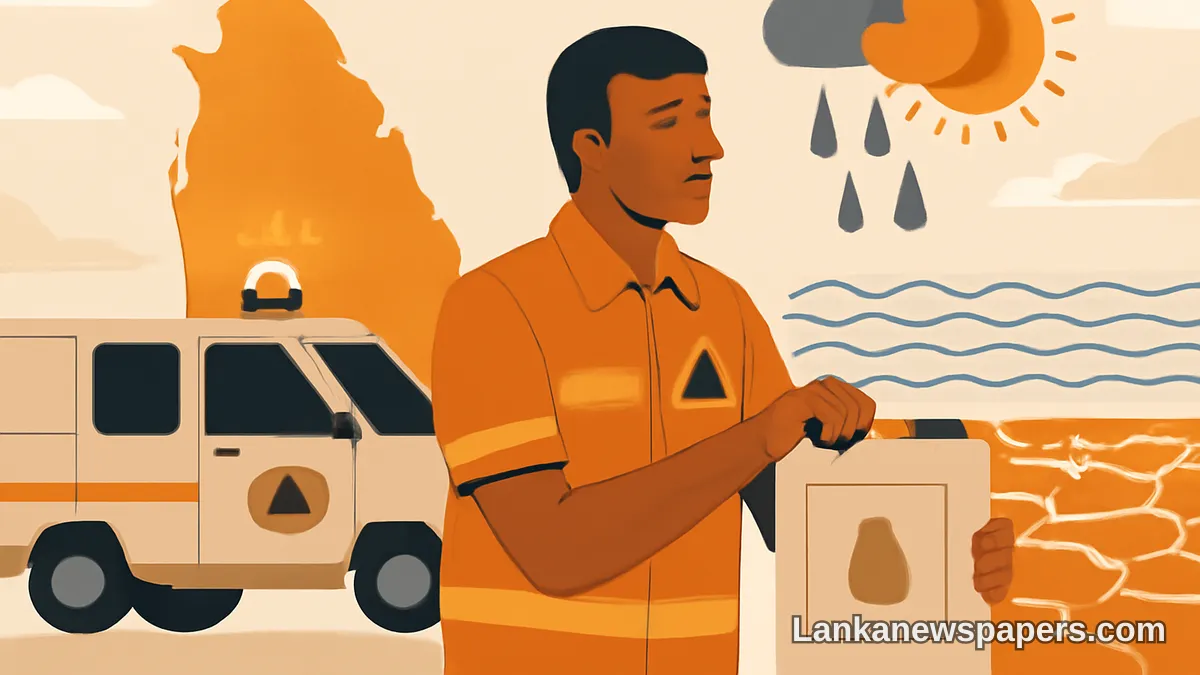
Authorities Move Swiftly as Drought Conditions Threaten Island's Water Security
Sri Lanka has activated a series of emergency measures in response to a worsening water crisis driven by the El Niño weather phenomenon, as authorities scramble to protect both drinking water supplies and agricultural resources across the island.
The El Niño climate pattern, known for causing prolonged dry spells and reduced rainfall across South and Southeast Asia, has intensified drought conditions in several parts of Sri Lanka, placing immense pressure on reservoirs, irrigation systems, and rural communities that depend heavily on consistent water availability.
What El Niño Means for Sri Lanka
El Niño events typically disrupt the monsoon cycle that Sri Lanka relies upon to replenish its water bodies and support its predominantly agriculture-based rural economy. When these seasonal rains fail to arrive in sufficient quantities, the consequences ripple through multiple sectors, including:
- Drinking water shortages in both urban and rural communities
- Reduced crop yields, particularly in paddy farming
- Declining water levels in major reservoirs used for hydropower generation
- Increased risk of wildfires in dry zone areas
Government Response Underway
In light of the growing threat, government authorities have initiated emergency protocols aimed at managing water distribution more efficiently and minimising the impact on vulnerable populations. Officials are working to coordinate relief efforts across affected districts, with priority given to ensuring that communities facing acute shortages receive timely assistance.
Emergency measures have been put in place to address the water crisis triggered by El Niño conditions, with authorities focused on safeguarding essential water supplies for the population.
Water management bodies have been placed on heightened alert, and officials are closely monitoring reservoir levels to determine how water resources should be rationed and distributed in the weeks ahead.
A Nation on Alert
Sri Lanka has faced water-related crises in previous El Niño cycles, and officials are acutely aware of the long-term damage that prolonged drought can inflict on the country's food security and economic stability. Agricultural communities in the dry zone, which are already among the most economically vulnerable in the country, are expected to bear the brunt of the crisis if conditions do not improve.
Meteorological authorities are continuing to monitor weather patterns, and further updates on the severity and expected duration of the dry conditions are anticipated. Residents in affected areas have been urged to use water responsibly and to report any irregularities in local supply to the relevant authorities.
The situation remains fluid, and the government has signalled its readiness to escalate its response should conditions deteriorate further in the coming weeks.


💬 Join the Discussion 4
See what readers are saying — and add your view.
what does emergency response even mean, any practical help for ppl or just talk
farmers in my area already losing crops, this is serious situation
our reservoirs are nearly empty and goverment only acting now, typical
exactly, they knew El Nino was coming for months no