Sri Lanka Cigarette Output Plunges by Nearly a Third as Tobacco Tax Hikes Take Hold
Sharp Decline in Local Production
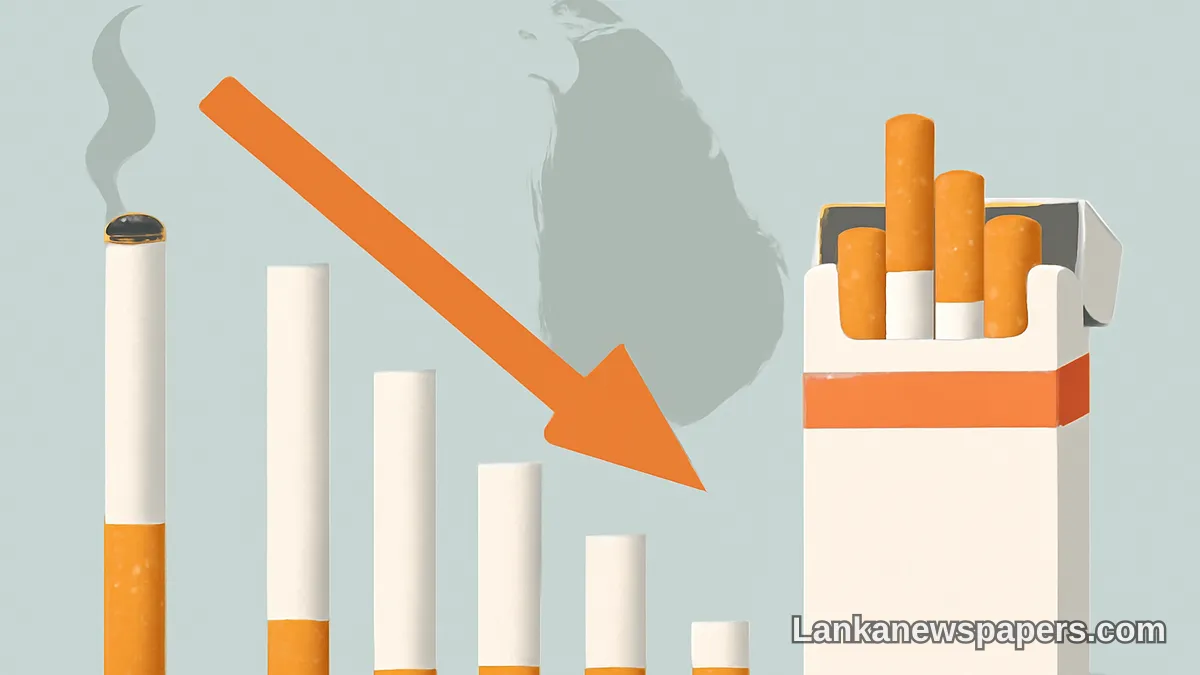
Cigarette production in Sri Lanka has fallen by 32 percent, marking a dramatic contraction in the island nation's tobacco manufacturing sector as successive rounds of tax increases on tobacco products begin to show their impact on output levels.
Tax Policy Driving the Downturn
The steep decline is being attributed directly to rising tobacco taxes, which have made cigarette manufacturing increasingly less viable at previous production volumes. As the government has steadily increased excise duties on tobacco, manufacturers have responded by scaling back output, reflecting weakened demand among price-sensitive consumers.
Sri Lanka has in recent years pursued a policy of using taxation as a tool to both generate revenue and curb smoking rates across the population. The latest production figures suggest those fiscal measures are having a measurable effect on the industry's operations.
Implications for the Industry
The reduction in domestic production raises a number of questions for stakeholders across the tobacco supply chain, including:
- The future of tobacco farming and livelihoods dependent on the crop locally
- Potential increases in illicit cigarette trade as legal products become less affordable
- Revenue implications for the government if taxable production volumes continue to shrink
A Broader Public Health Context
Health advocates are likely to welcome the production decline as a sign that higher taxes are discouraging cigarette consumption. Sri Lanka has long faced public health challenges associated with tobacco use, and policymakers have pointed to taxation as one of the most effective levers available to reduce smoking prevalence.
However, industry observers caution that a significant drop in legal production does not necessarily translate into fewer cigarettes being consumed, as illegal and smuggled tobacco products may fill the gap left by declining domestic output.
The full economic and public health consequences of this 32 percent production fall are expected to be closely monitored by both government authorities and industry analysts in the months ahead.



💬 Join the Discussion 1
See what readers are saying — and add your view.
Good. Less smoking means less burden on goverment hospitals also.