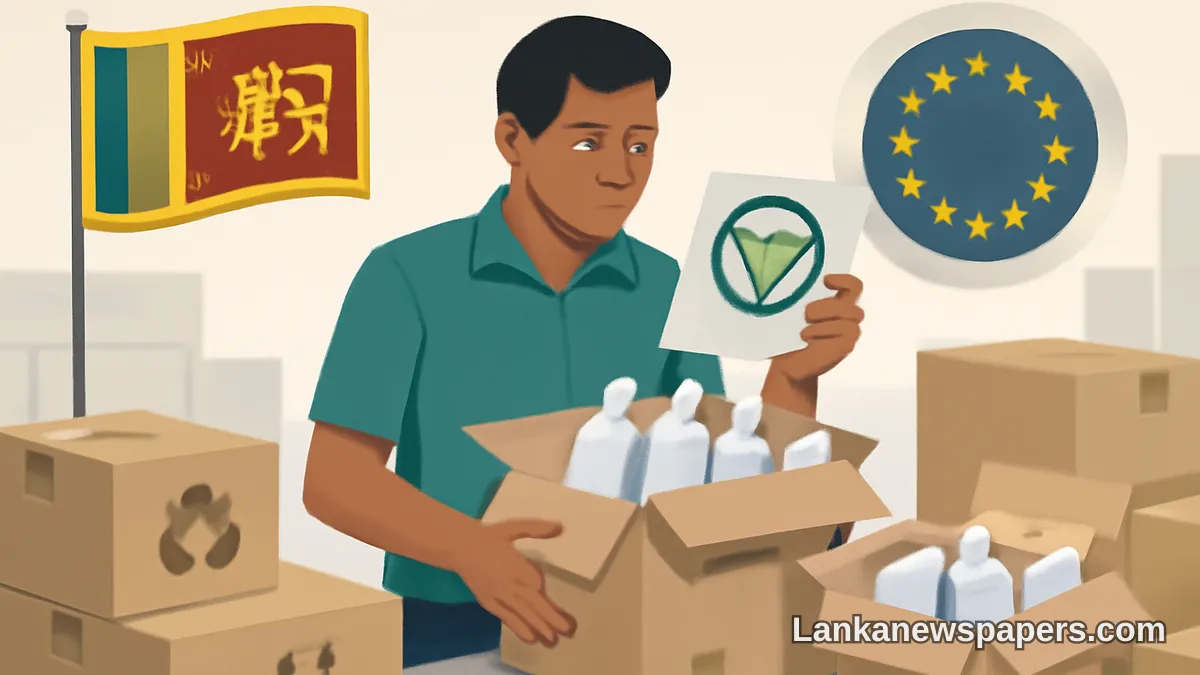
New EU Regulation Sets Strict Packaging Standards
Sri Lankan exporters are being urged to act swiftly in adapting to a sweeping new set of packaging regulations introduced by the European Union, with industry stakeholders warning that failure to comply could jeopardise access to one of the country's most valuable export markets.
The European Union's Packaging and Packaging Waste Regulation, widely referred to as the PPWR, has come into effect and is set to impose stringent new requirements on packaging materials, recyclability, and waste reduction across all goods entering the EU market.
What the Regulation Demands
The PPWR represents one of the most comprehensive overhauls of EU packaging law in recent years. Among its key objectives are:
- Reducing the overall volume of packaging waste generated across member states
- Mandating minimum levels of recycled content in packaging materials
- Ensuring that all packaging placed on the EU market is recyclable by 2030
- Restricting or phasing out certain single-use packaging formats
Exporters shipping goods to EU member countries will be required to ensure their packaging meets these standards, regardless of where the products are manufactured.
Sri Lankan Exporters Must Move Quickly
Trade officials and industry bodies have sounded the alarm for local businesses, noting that many Sri Lankan exporters — particularly those in the apparel, tea, spices, and processed food sectors — may not yet be fully prepared to meet the new requirements.
Sri Lankan businesses that rely on the EU market cannot afford to take a wait-and-see approach. The time to review packaging practices and supply chain standards is now.
The European Union remains one of Sri Lanka's most significant trading partners, and any disruption to export access could carry serious economic consequences at a time when the country is working to rebuild its trade performance following years of economic turbulence.
Steps Exporters Are Advised to Take
Authorities and trade associations are encouraging exporters to undertake immediate compliance reviews. Recommended actions include:
- Conducting audits of current packaging materials and formats used for EU-bound consignments
- Engaging with suppliers to source packaging that meets EU recyclability and recycled-content standards
- Consulting with legal and trade compliance experts familiar with EU regulatory frameworks
- Monitoring further guidance expected from EU authorities on implementation timelines and technical standards
Broader Implications for Trade
The PPWR is part of a broader push by the European Union under its Green Deal agenda to create a more circular economy. As environmental standards become an increasingly central pillar of international trade policy, Sri Lankan exporters who align early with these requirements stand to gain a competitive advantage over those who delay.
Industry observers note that the regulation also presents an opportunity for Sri Lankan businesses to modernise their packaging operations and position themselves as responsible, sustainability-conscious suppliers in the global marketplace.
Trade promotion authorities are expected to issue further guidance and support programmes to help exporters navigate the transition in the months ahead.


💬 Join the Discussion 3
See what readers are saying — and add your view.
good thing actually, better packaging means better quality image for Sri Lanka
EU rules changing again, our exporters will struggle to keep up no?
goverment should have given proper training before this became urgent