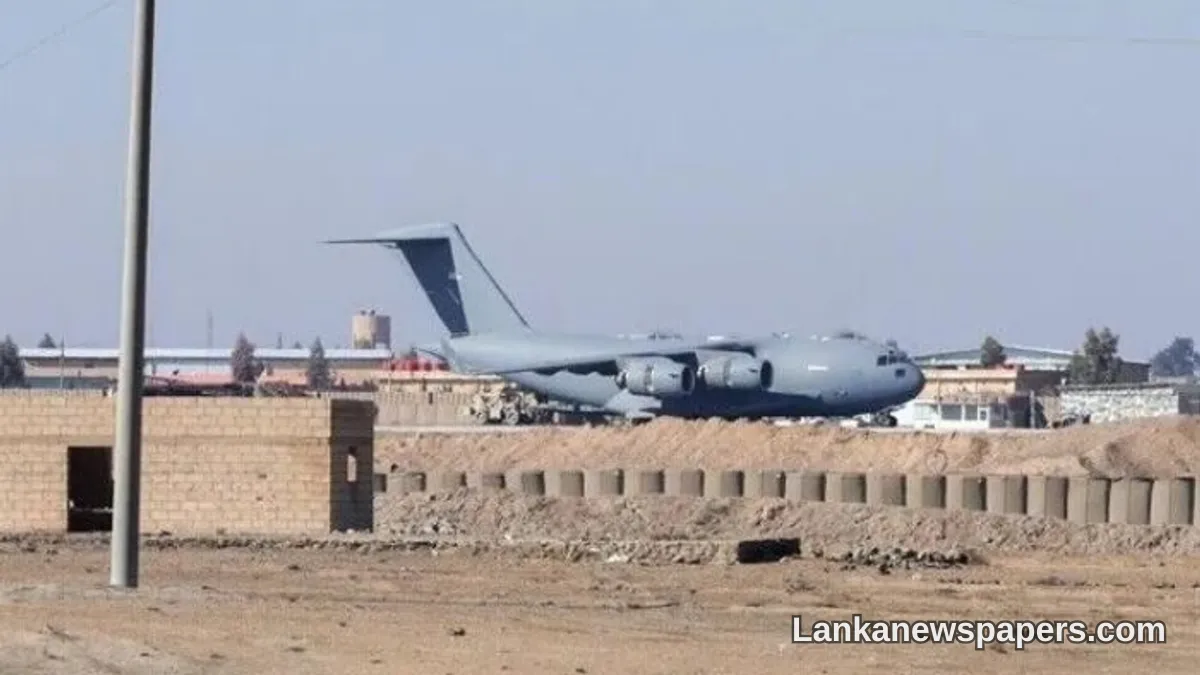
Iran has issued a stern warning to nations along the southern coast of the Persian Gulf, cautioning them against offering any form of assistance or facilities to United States military forces operating in the region.
A Direct Threat to Regional Neighbours
Tehran made clear that any Gulf state choosing to support American military operations would be considered a direct participant in any resulting conflict. The warning signals a sharp escalation in rhetoric from Iran as tensions between Tehran and Washington continue to mount.
Iranian officials conveyed the message in unambiguous terms, drawing a firm line between what they described as neutral behaviour and active complicity in potential military action against the Islamic Republic.
Heightened Regional Tensions
The Persian Gulf region is home to several key US military installations, with a number of Gulf Cooperation Council member states hosting American troops and naval assets. Iran's warning appears specifically aimed at discouraging these countries from allowing their territory or infrastructure to be used as a staging ground for any US-led operation.
The development adds a new layer of urgency to an already volatile geopolitical environment, as the United States and Iran remain deeply at odds over a range of issues, including Tehran's nuclear programme and its broader regional influence.
Implications for the Broader Region
Analysts suggest that Iran's posture reflects growing concern in Tehran over the possibility of military confrontation, and that the warning is intended to isolate Washington diplomatically by pressuring its regional partners to step back from any support role.
Any country that provides facilities to the United States for use against Iran will be considered a party to the conflict, Iranian officials stated.
For Sri Lanka and the wider international community, the situation bears close watching. A significant escalation in the Gulf would have far-reaching consequences, particularly for global oil supplies and shipping lanes that are critical to trade flows across Asia.
Sri Lanka, which relies heavily on imported fuel and maintains close economic ties with Gulf nations — including a large expatriate workforce — could feel the ripple effects of any sustained conflict in the region.

💬 Join the Discussion 4
See what readers are saying — and add your view.
America poking nose everywhere. middle east ppl never get peace because of this.
Gulf states should be careful. dont want to get caught between these two powers.
Iran always warning warning. what actually happens? nothing lah.
true no. all talk only. same every year.