Deputy Minister Rejects Ranil's Bankruptcy Warning, Says Sri Lanka Has Turned the Corner
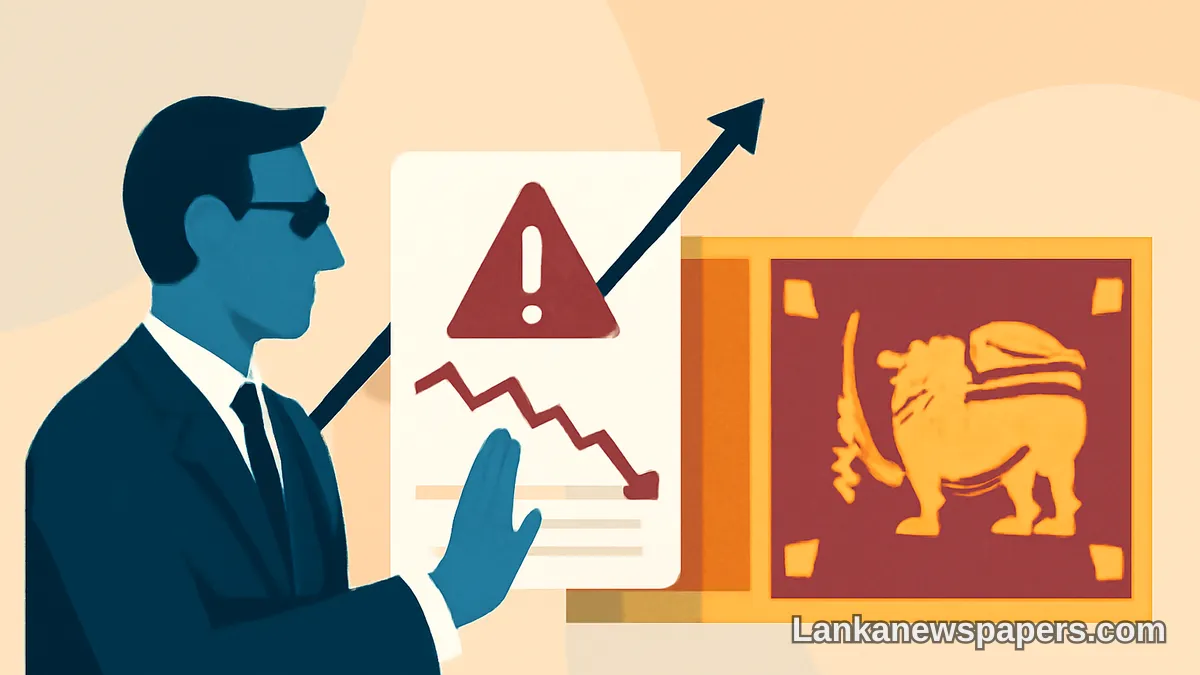
A senior government minister has pushed back strongly against former President Ranil Wickremesinghe's recent warnings that Sri Lanka risks sliding into another economic collapse, insisting that the country has firmly stabilised and there is no credible basis for such alarm.
Minister Dismisses Bankruptcy Fears
The Deputy Minister issued a pointed rebuttal to Wickremesinghe, arguing that the economic foundations currently in place make any repeat of the 2022 financial catastrophe highly unlikely. The minister stressed that the present administration has taken deliberate and measured steps to prevent the country from ever again reaching the depths of that crisis, which saw Sri Lanka default on its foreign debt for the first time in its history.
The pushback reflects growing tension between the current government and the former president, who has been vocal in recent weeks about what he describes as lingering vulnerabilities in Sri Lanka's economic recovery.
A Nation Still Finding Its Footing
Sri Lanka declared sovereign debt default in 2022 amid a catastrophic foreign exchange shortage that left the country unable to pay for essential imports including fuel, medicine, and cooking gas. The crisis triggered widespread public unrest and ultimately led to the ousting of then-President Gotabaya Rajapaksa.
Wickremesinghe, who succeeded Rajapaksa and oversaw a painful International Monetary Fund-backed austerity programme, has continued to weigh in on economic matters despite no longer holding office, cautioning that structural weaknesses remain unaddressed.
Government Stands Firm on Recovery Narrative
The Deputy Minister, however, maintained that the government's fiscal discipline, ongoing IMF engagement, and improving macroeconomic indicators paint a far more optimistic picture than Wickremesinghe portrays.
There is absolutely no reason for Sri Lanka to go bankrupt again. The safeguards are in place and the country is moving in the right direction.
Officials have pointed to falling inflation, a stabilising rupee, and recovering foreign reserves as evidence that the worst is firmly behind the island nation.
The exchange underscores a broader political battle over who deserves credit — or blame — for Sri Lanka's economic trajectory, a debate that is expected to intensify as the country continues to navigate its IMF programme and seeks to restore full access to international capital markets.

💬 Join the Discussion 1
See what readers are saying — and add your view.
these politicians always saying "turned the corner" but my grocery bill says otherwise