Sri Lanka to Criminalise Unauthorised Foreign Fund Transfers Under New Cabinet-Backed Amendment
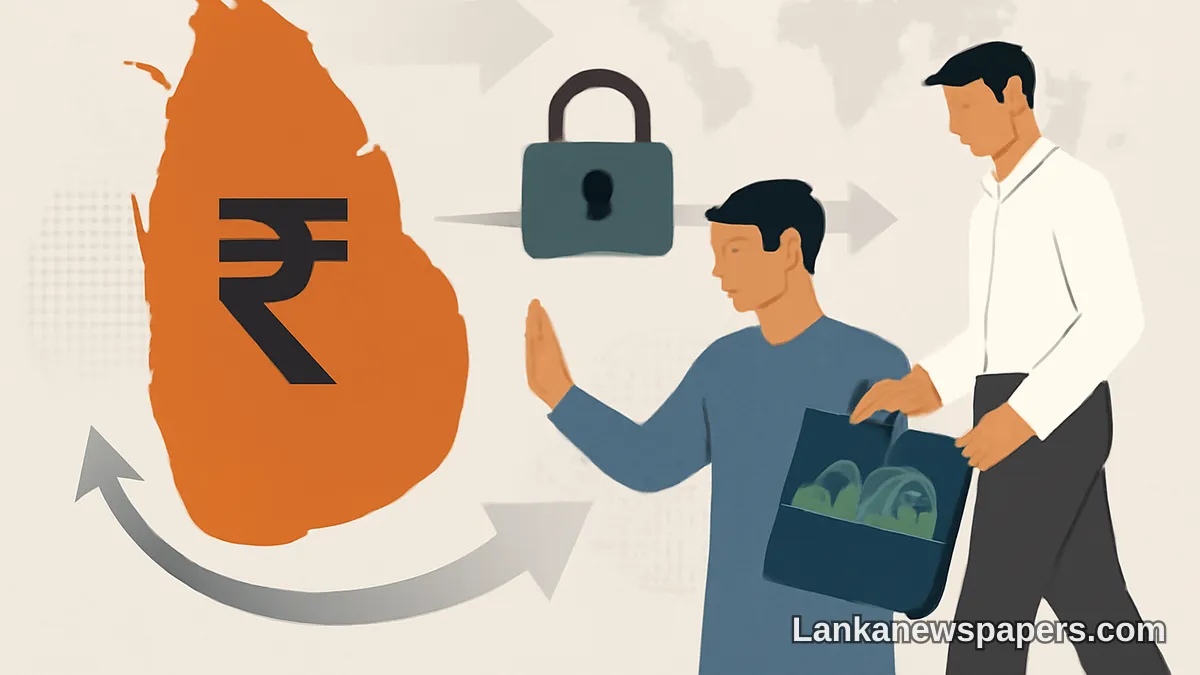
Sri Lanka's Cabinet of Ministers has given its in-principle approval to amend the Foreign Exchange Act, No. 12 of 2017, in a move that signals a decisive tightening of the country's financial law enforcement framework.
A Landmark Regulatory Shift
The proposed amendment marks a significant departure from the existing regulatory approach by reclassifying the unauthorised transfer of funds out of Sri Lanka as a criminal offence. Previously, such violations were treated largely as civil or administrative matters, leaving enforcement agencies with limited punitive tools at their disposal.
By elevating these violations to the level of criminal conduct, authorities would be empowered to pursue stronger legal action against individuals and entities found guilty of moving money out of the country through unauthorised channels.
Why This Amendment Matters
Sri Lanka has long grappled with the consequences of illicit capital outflows, a problem that gained renewed urgency during the country's severe economic crisis. Unauthorised fund transfers have been identified as one of the factors that contributed to the depletion of the nation's foreign exchange reserves, ultimately undermining economic stability.
The amendment is widely seen as a direct policy response to close loopholes that have historically allowed bad actors to circumvent existing foreign exchange regulations with relatively minor consequences.
Cabinet Approval in Principle
The Cabinet's in-principle approval means the proposal will now advance through the necessary legal drafting and parliamentary processes before it can be enacted into law. Formal approval at each subsequent stage will be required before the amendment takes full legal effect.
Officials have indicated that the amendment is part of a broader push to modernise Sri Lanka's financial regulatory architecture and bring it into closer alignment with international standards for combating money laundering and illicit financial flows.
Implications for Businesses and Individuals
Once enacted, the amended law would carry serious consequences for those found to have transferred funds abroad without proper authorisation. Key implications are expected to include:
- Criminal prosecution of individuals and corporate entities involved in unauthorised outward fund transfers
- Stronger investigative powers for regulatory authorities, including the Central Bank of Sri Lanka
- Increased deterrence against capital flight and illegal financial transactions
- Greater accountability within the banking and financial services sector
Broader Economic Context
The move comes as Sri Lanka continues its gradual economic recovery following the unprecedented financial crisis of 2022, which saw the country default on its foreign debt for the first time in its history. Rebuilding foreign reserve buffers and restoring confidence in the country's financial governance remain top priorities for the government.
Strengthening the legal framework around foreign exchange transactions is considered a critical component of ensuring that hard-earned foreign currency remains within the formal financial system and supports national economic recovery.
Legal and financial analysts are expected to closely scrutinise the specifics of the draft amendment once it is formally presented, particularly with regard to the definitions of "unauthorised transfers" and the thresholds that would trigger criminal liability.
The Cabinet's decision has been broadly welcomed by economic reform advocates, who argue that robust enforcement of foreign exchange regulations is essential for sustaining investor confidence and maintaining Sri Lanka's commitments to international financial institutions, including the International Monetary Fund.


💬 Join the Discussion 3
See what readers are saying — and add your view.
What counts as "unauthorised" though? Need to be very clear on this.
Finally some action against ppl sending money out illegally. about time.
Action yes but will they actually enforce it or just talk?