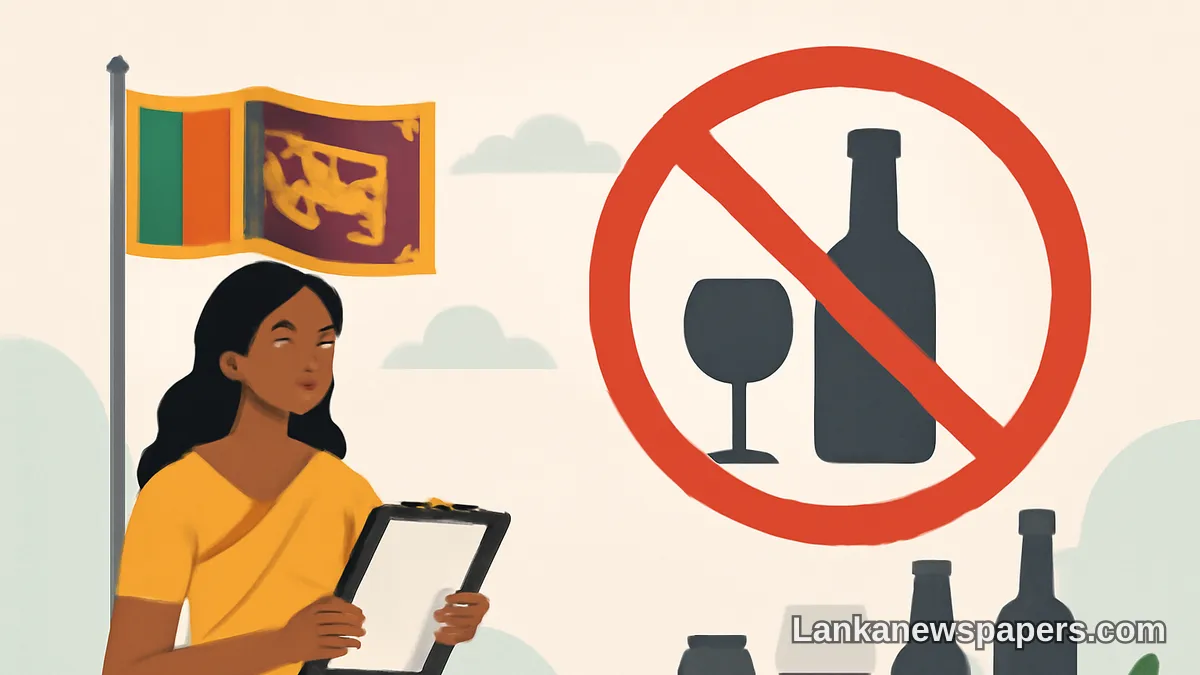
Sri Lanka has taken a significant stride in its public health journey by officially launching the World Health Organisation's SAFER technical package alongside the country's first-ever alcohol investment case, marking a pivotal moment in the nation's efforts to curb the devastating social and economic consequences of harmful alcohol consumption.
What Is the SAFER Package?
The WHO SAFER initiative is a globally recognised framework designed to help governments implement the most effective, evidence-based interventions to reduce alcohol-related harm. The acronym stands for five key policy pillars: Strengthen restrictions on alcohol availability; Advance and enforce drink-driving countermeasures; Facilitate access to screening, brief interventions, and treatment; Enforce bans or comprehensive restrictions on alcohol advertising, sponsorship, and promotion; and Raise prices on alcohol through excise taxes and pricing policies.
By adopting this package, Sri Lanka joins a growing number of nations committing to a structured, internationally supported approach to tackling one of the world's leading risk factors for disease, injury, and premature death.
A First for Sri Lanka: The Alcohol Investment Case
Alongside the SAFER launch, Sri Lanka unveiled its first dedicated alcohol investment case — a comprehensive document that translates complex health and economic data into a compelling argument for prioritising alcohol policy reform. The investment case is intended to guide policymakers, health authorities, and stakeholders by demonstrating the measurable returns that can be achieved through targeted interventions.
The development of such a document is particularly significant for Sri Lanka, where alcohol-related harm places a considerable burden on the healthcare system, law enforcement, and families across the island. By quantifying these costs and projecting the benefits of reform, the investment case aims to make the evidence impossible to ignore.
Turning Evidence Into Action
Health officials and WHO representatives emphasised that the launch is not merely a symbolic gesture but a call to translate research and global best practices into concrete national policy. Sri Lanka's alcohol landscape presents unique challenges, including widespread availability, cultural attitudes towards drinking, and the economic interests of the alcohol industry.
The SAFER framework provides authorities with a roadmap to address these challenges systematically, focusing on areas such as:
- Tightening regulations on where and when alcohol can be sold
- Strengthening road safety measures related to drink-driving
- Expanding access to counselling and treatment services for those with alcohol use disorders
- Imposing stricter controls on alcohol marketing targeted at young people
- Reviewing tax and pricing structures to make harmful drinking less affordable
A Healthier Future on the Horizon
Public health advocates across Sri Lanka have welcomed the dual launch as long-overdue recognition that alcohol harm requires a coordinated, government-led response rather than piecemeal measures. The initiative signals that Sri Lanka is serious about aligning its health policies with global standards while addressing the specific realities faced by its own communities.
The launch of the SAFER package and the first alcohol investment case represents a turning point — moving from awareness to accountability, and from data to decisive action.
With WHO's technical support and a clear evidence base now in place, all eyes will be on Sri Lanka's policymakers to follow through with the legislative and budgetary commitments necessary to make the vision a reality for all Sri Lankans.


💬 Join the Discussion 1
See what readers are saying — and add your view.
Finally goverment doing something useful. Too many families suffering because of arrack.