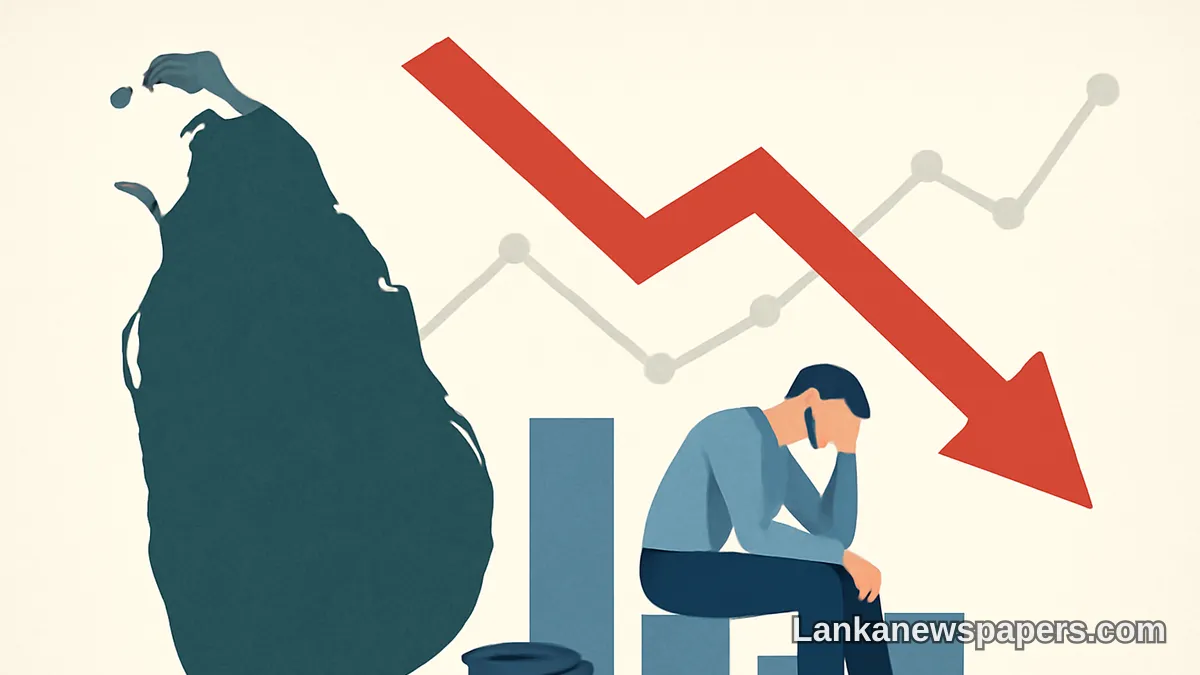
Sri Lanka's economic recovery, which has gathered considerable momentum following the country's devastating financial crisis, may begin to lose steam in the second half of 2026, according to projections from economic analysts.
Recovery Pace Under Scrutiny
While the island nation has made remarkable strides in stabilising its economy over the past two years — navigating debt restructuring, rebuilding foreign reserves, and restoring investor confidence — concerns are now emerging that the pace of growth may not be sustained through the latter part of next year.
Economists tracking Sri Lanka's macroeconomic trajectory have flagged the possibility of a slowdown as several key supporting factors that fuelled the early stages of recovery begin to taper off.
What Could Weigh on Growth
- The base effect from the post-crisis rebound is expected to diminish, making year-on-year growth comparisons less favourable.
- Global economic uncertainties, including subdued demand from key trading partners, could dampen export performance.
- Fiscal consolidation measures, while necessary for long-term stability, may constrain domestic consumption and public investment.
- Rising living costs continue to pressure household spending power across the country.
A Cautious but Watchful Outlook
Analysts stress that a slowdown does not necessarily signal a reversal of Sri Lanka's hard-won economic gains. Rather, it reflects the natural moderation that often follows an aggressive recovery phase. The critical question for policymakers will be whether structural reforms can generate enough momentum to offset the fading tailwinds of the initial rebound.
Sustaining growth beyond 2025 will require more than crisis-era recovery measures — it demands deeper structural transformation across key sectors of the economy.
Tourism, remittances, and export diversification remain vital pillars that could help cushion any deceleration, provided the government maintains a stable policy environment and continues to honour its commitments under the International Monetary Fund programme.
Government and Central Bank Response
Sri Lankan authorities have yet to formally respond to these projections, but the Central Bank of Sri Lanka has consistently maintained a cautiously optimistic outlook, pointing to improving inflation figures, a steadier rupee, and gradual improvements in business confidence as indicators that the recovery remains on track.
As the country approaches the second half of 2026, all eyes will be on how effectively Colombo can navigate the transition from crisis recovery to sustainable, long-term economic growth.

💬 Join the Discussion 2
See what readers are saying — and add your view.
same analysts who said we were recovering no? now what
exactly men, every 6 months new story from these ppl