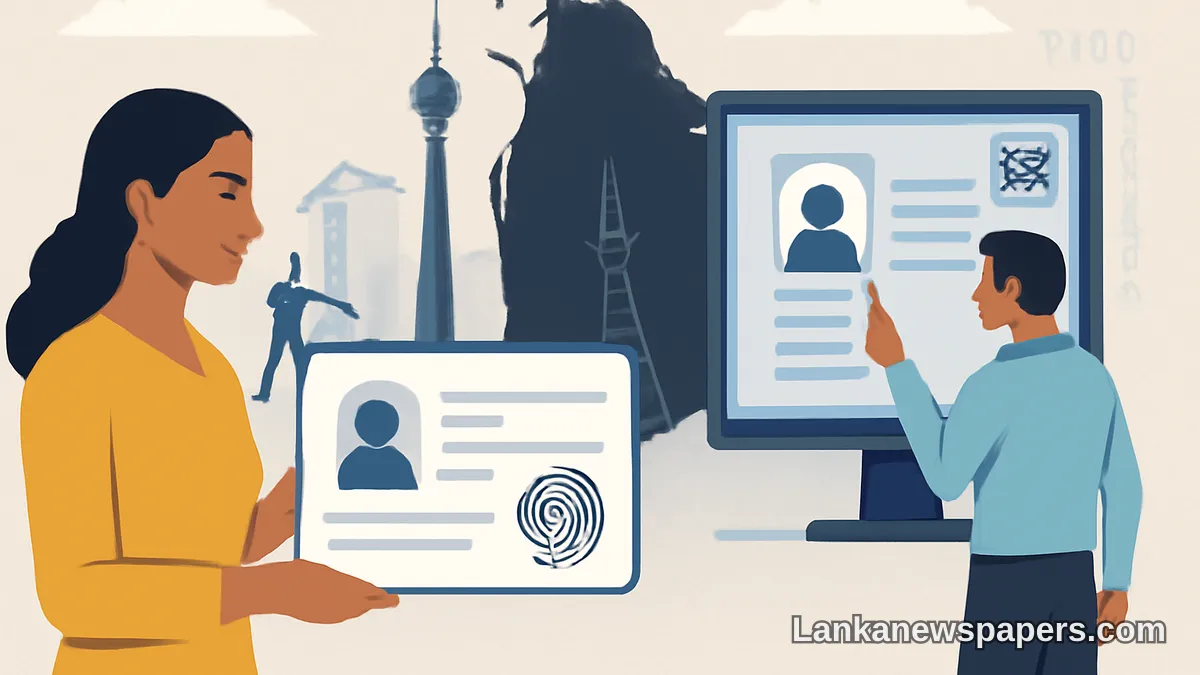
National Digital Identity Programme Moves Closer to Full Implementation
Sri Lanka's ambitious national digital identity programme is gathering significant momentum, with officials confirming that the procurement process is approaching its final stages — a critical milestone that brings the island nation closer to launching a comprehensive biometric identification system for its citizens.
What the Digital ID System Entails
The initiative, which has been in development as part of Sri Lanka's broader push towards digital governance, aims to provide every eligible citizen with a secure, verifiable digital identity. Such systems typically incorporate biometric data, enabling more efficient access to government services, financial institutions, and other essential platforms.
The completion of the procurement phase signals that key contracts for the necessary technology infrastructure, software, and hardware components are being finalised, paving the way for the actual deployment of the system across the country.
A Step Towards Modern Governance
For Sri Lanka, the rollout of a national digital ID represents a transformative step in modernising public administration. A robust digital identification framework is expected to:
- Streamline access to government services and reduce bureaucratic delays
- Strengthen identity verification processes to combat fraud and identity theft
- Improve the efficiency of welfare and social protection programmes
- Support financial inclusion by enabling easier access to banking services
Regional and Global Context
Sri Lanka joins a growing number of nations across South and Southeast Asia that have invested heavily in national digital identity infrastructure in recent years. Countries such as India, with its widely recognised Aadhaar system, have demonstrated the significant administrative and economic benefits that a well-implemented digital ID programme can deliver.
The progression of Sri Lanka's digital ID procurement reflects the government's commitment to harnessing technology as a vehicle for improved public service delivery and national security.
Next Steps
With procurement nearing completion, attention will now turn to the implementation and public rollout phases. Citizens, civil society organisations, and digital rights advocates will be closely watching to ensure that the system is deployed with adequate data privacy protections, transparency, and equitable access for all communities, including those in rural and underserved areas of the country.
Further official announcements detailing timelines, eligibility criteria, and registration procedures are expected as the programme advances towards its next phase.



💬 Join the Discussion 2
See what readers are saying — and add your view.
Finally something useful from goverment. Long overdue honestly.
Useful until they lose all our data la. Who is securing this?