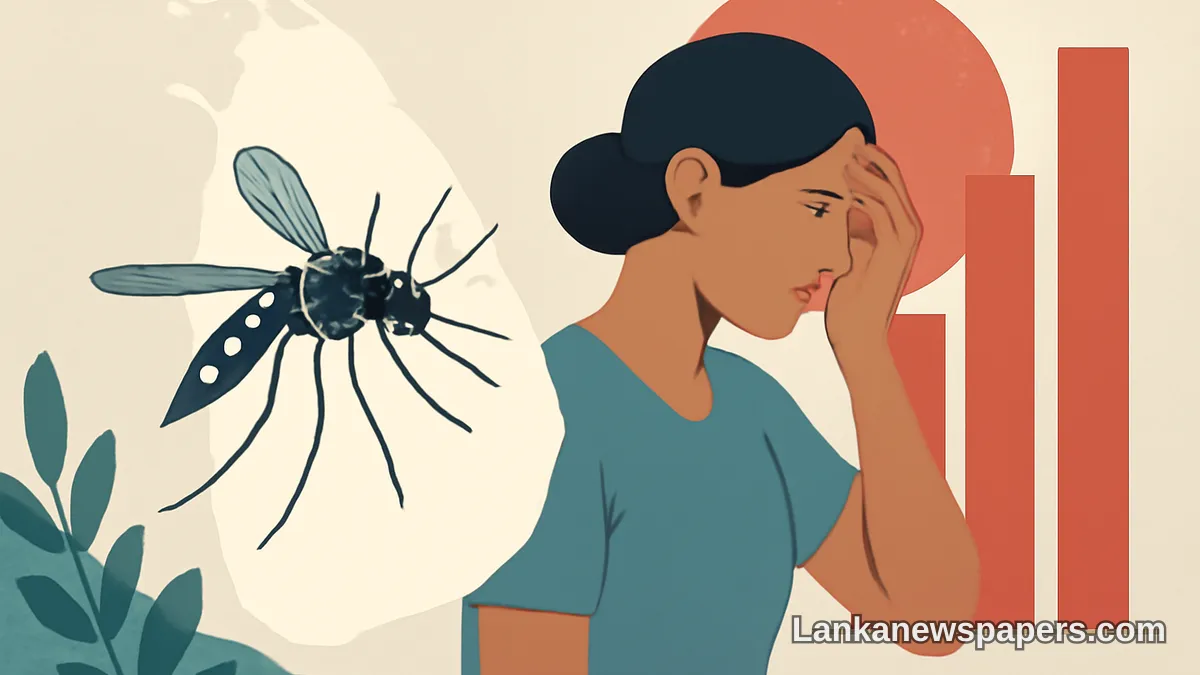
Sri Lanka is grappling with a severe dengue outbreak this year, with the National Dengue Control Unit (NDCU) confirming that the total number of recorded cases has surpassed 91,346 — and the figure continues to climb.
Deaths and Infections on the Rise
Alongside the surge in infections, health authorities have reported 68 dengue-related deaths so far this year, raising alarm among public health officials and medical professionals across the island. The NDCU has indicated that the situation remains a serious concern as transmission shows no signs of slowing.
July Emerges as a Peak Month
The month of July proved particularly severe in terms of recorded dengue activity, with infection numbers spiking significantly during that period. Health experts have long identified the wet season as a prime breeding ground for the Aedes aegypti mosquito, the primary vector responsible for spreading the dengue virus.
A Call for Public Vigilance
Authorities are urging Sri Lankan residents to take immediate preventive action to curb the spread of the disease. Key measures recommended by health officials include:
- Eliminating stagnant water around homes and workplaces where mosquitoes breed
- Using mosquito repellents and protective clothing, particularly during dawn and dusk
- Seeking prompt medical attention if symptoms such as high fever, severe headache, or body pain develop
- Cooperating with local health inspectors conducting area-level dengue prevention drives
The NDCU continues to monitor the situation closely and has called on communities, local government bodies, and the private sector to actively participate in controlling the outbreak.
With cases already exceeding 91,000 and the death toll at 68, Sri Lanka faces an urgent public health challenge that demands coordinated action at both the national and grassroots levels. Citizens are reminded that dengue prevention is a collective responsibility, and timely intervention can save lives.



💬 Join the Discussion 0
Be the first to share your view on this story.