Sri Lanka's Scrapping of MTI Scheme for Doctors: A Defining Moment for Medical Education Reform
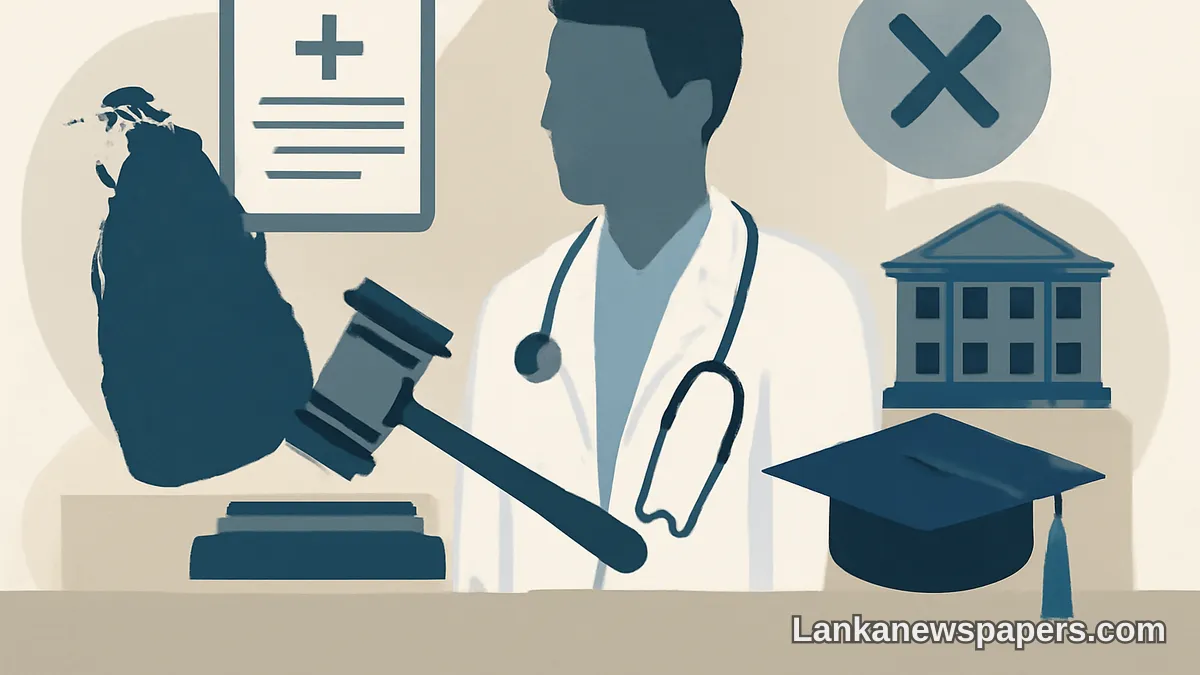
A Pivotal Decision That Demands Reflection
The recent decision to scrap the Medical Training Institute (MTI) scheme for Sri Lankan doctors has sent ripples through the country's medical community, reigniting long-standing debates about the adequacy of postgraduate medical training, healthcare workforce planning, and the structural challenges facing the island's health sector.
What Was the MTI Scheme?
The MTI scheme was designed to provide structured medical training pathways for doctors in Sri Lanka, offering a framework within which medical professionals could advance their specialisations and clinical competencies. For many in the profession, it represented a formal commitment by the state to invest in the development of its healthcare workforce at a postgraduate level.
Its sudden discontinuation has left a significant number of doctors uncertain about their career trajectories and the future availability of specialist medical services across the country.
Concerns From the Medical Community
Medical professionals and healthcare advocates have expressed serious concern over the implications of this policy reversal. Among the key worries raised are the following:
- A potential widening of the specialist doctor shortage, particularly in rural and underserved hospitals.
- Increased pressure on already overstretched senior consultants who rely on a pipeline of trained junior specialists.
- The risk that talented doctors will seek training and employment opportunities abroad, exacerbating Sri Lanka's brain drain crisis.
- Long-term damage to the quality and accessibility of public healthcare services.
A Symptom of Deeper Systemic Issues
Many observers view the scrapping of the MTI scheme not as an isolated administrative decision, but as symptomatic of broader failures in Sri Lanka's health policy planning. Years of inadequate investment in medical infrastructure, inconsistent workforce strategies, and political short-termism have collectively undermined the country's ability to retain and develop its medical talent.
Sri Lanka has long prided itself on achieving health outcomes that far exceed those of nations with comparable income levels. That enviable reputation, however, depends entirely on a sustained and deliberate effort to train, support, and retain qualified medical personnel — an effort that critics argue is being quietly dismantled.
The Brain Drain Threat Looms Large
Perhaps the most pressing concern is what this decision signals to young doctors currently weighing their futures. In the aftermath of Sri Lanka's devastating economic crisis, emigration among skilled professionals has accelerated sharply. Without credible domestic training pathways, many doctors may conclude that pursuing their careers overseas is not merely preferable, but necessary.
The loss of trained medical professionals represents not only a humanitarian cost to Sri Lankan patients, but also a significant squandering of the public investment made in educating those doctors through the state university system.
A Call for Urgent Policy Reconsideration
Healthcare professionals and policy analysts are now calling on the Ministry of Health and relevant authorities to urgently reconsider this decision, or at the very minimum, to introduce a credible and well-resourced alternative framework that preserves structured training opportunities for Sri Lankan doctors.
Transparency around the reasoning behind the scheme's removal is also being demanded. Stakeholders argue that decisions of this magnitude — ones that directly affect both medical professionals and the millions of Sri Lankans who depend on public hospitals — must not be made without broad consultation and a clearly articulated plan for what comes next.
The Bigger Picture
Sri Lanka stands at a crossroads in its approach to public health. The scrapping of the MTI scheme is a wake-up call that goes beyond the concerns of doctors alone. It raises fundamental questions about the kind of healthcare system this nation wishes to build, and whether its policymakers possess the vision and commitment to protect one of the country's most vital assets — its medical workforce.
The decisions made in the coming months will speak volumes about Sri Lanka's true priorities as it works to rebuild from one of the most turbulent periods in its modern history.


💬 Join the Discussion 2
See what readers are saying — and add your view.
finally they doing something right, this MTI scheme was just exploiting doctors
exploiting? those doctors got paid and trained no? both sides benefited