Kenyan Senator Demands Senate Inquiry Into Conditions Facing Over 3,000 Hela Apparel Workers in Nairobi
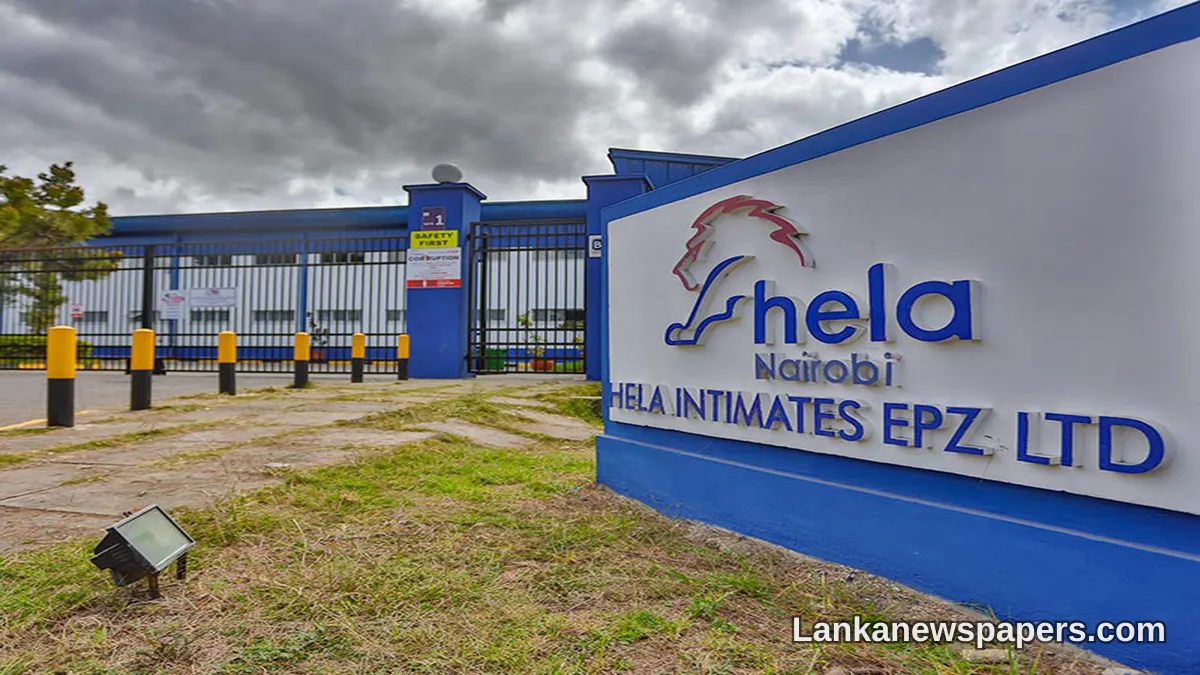
Nairobi Senator Edwin Sifuna has called on the Kenyan Senate to launch a formal investigation into the working conditions and grievances affecting more than 3,000 employees of Hela Apparel, the Sri Lankan-owned garment manufacturer operating in the Kenyan capital.
Senator Raises Alarm Over Worker Welfare
Senator Sifuna's call for a probe has drawn significant attention to the plight of thousands of workers employed at the Hela Apparel facility in Nairobi. The senator has urged the Senate to scrutinise the conditions under which these workers are employed, signalling growing concern among Kenyan lawmakers over labour standards at the plant.
Hela Apparel is a major Sri Lankan garment manufacturing conglomerate with operations spread across several countries, including Kenya, where it employs a substantial local workforce. The company has been a notable presence in Kenya's export-oriented textile industry.
Implications for Sri Lanka's Garment Sector
The development carries particular significance for Sri Lanka, as Hela Apparel is one of the island nation's most prominent apparel exporters with a considerable international footprint. Any formal parliamentary inquiry in Kenya could draw wider scrutiny to the company's overseas operational practices.
Sri Lanka's garment and textile industry remains one of the country's largest foreign exchange earners, and the reputation of its major players in overseas markets is closely tied to the sector's broader standing among global buyers and international labour rights bodies.
Workers at the Centre of the Dispute
The more than 3,000 workers at the heart of this matter represent a significant portion of Nairobi's garment manufacturing labour force. While full details of the specific grievances have yet to be formally tabled before the Senate, Senator Sifuna's intervention indicates that concerns have reached a level requiring legislative attention.
A Senate inquiry, if approved, would likely examine issues relating to employment terms, wages, and overall workplace conditions at the facility, potentially resulting in recommendations or regulatory action by Kenyan authorities.
The situation is expected to be closely monitored by Sri Lankan industry stakeholders, trade unions, and policymakers as developments unfold in Nairobi.



💬 Join the Discussion 2
See what readers are saying — and add your view.
at least Kenyan goverment is looking after our workers, what is our goverment doing
exactly no one here even talks about this