Air Pollution Claiming Thousands of Sri Lankan Lives Annually, Experts Warn
A Silent Crisis in the Air
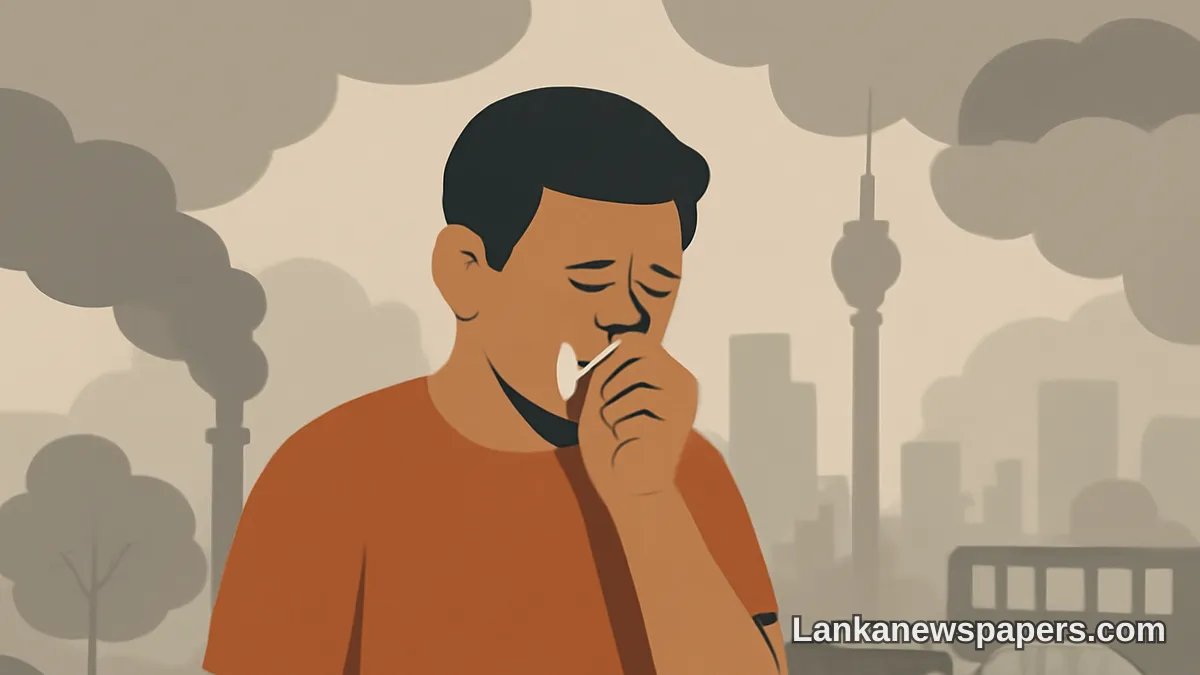
Air pollution is killing thousands of Sri Lankans every year, according to findings that are raising serious alarm among health experts and environmental advocates across the island. The sobering data highlights a public health emergency that continues to fly under the radar despite its devastating human toll.
A Growing Threat to Public Health
Unlike sudden disasters that command immediate attention, air pollution operates as a slow and silent killer, steadily eroding the health of communities from Colombo's congested streets to industrial corridors in the Western Province and beyond. Medical professionals warn that the consequences of prolonged exposure to polluted air are far-reaching, contributing to a wide range of life-threatening conditions.
The health impacts associated with poor air quality include:
- Chronic respiratory diseases such as asthma and bronchitis
- Cardiovascular complications including heart disease and stroke
- Lung cancer and other pulmonary conditions
- Increased vulnerability among children, the elderly, and those with pre-existing illnesses
Key Sources of Pollution
Experts point to several major contributors driving Sri Lanka's air quality crisis. Vehicle emissions from an ageing fleet of buses, three-wheelers, and private cars remain a dominant source of urban air pollution. Industrial activity, open burning of waste, and construction dust further compound the problem, particularly in densely populated areas.
The burden of air pollution on Sri Lanka's population is not merely an environmental concern — it is a public health emergency that demands urgent policy action.
Calls for Urgent Government Action
Health and environmental groups are urging authorities to implement stronger air quality monitoring systems and enforce stricter emission standards for vehicles and industries. Advocates stress that without meaningful regulatory intervention, the annual death toll linked to air pollution will continue to rise.
Sri Lanka currently lacks a comprehensive, island-wide air quality monitoring network, making it difficult to fully assess the scale of the problem in rural and semi-urban areas. Strengthening this infrastructure is seen as a critical first step toward protecting public health.
What Needs to Change
Experts are calling on the government to accelerate the transition to cleaner energy sources, invest in public transportation, and phase out heavily polluting vehicles. Public awareness campaigns encouraging citizens to reduce open burning and adopt cleaner household practices are also considered essential components of any meaningful response.
As Sri Lanka navigates multiple economic and social challenges, health advocates warn that the cost of inaction on air pollution — measured in thousands of lives lost each year — is one the country simply cannot afford to ignore.


💬 Join the Discussion 0
Be the first to share your view on this story.