Sri Lanka War Crimes Convictions Draw "Sighs of Relief" From Journalists and Rights Advocates
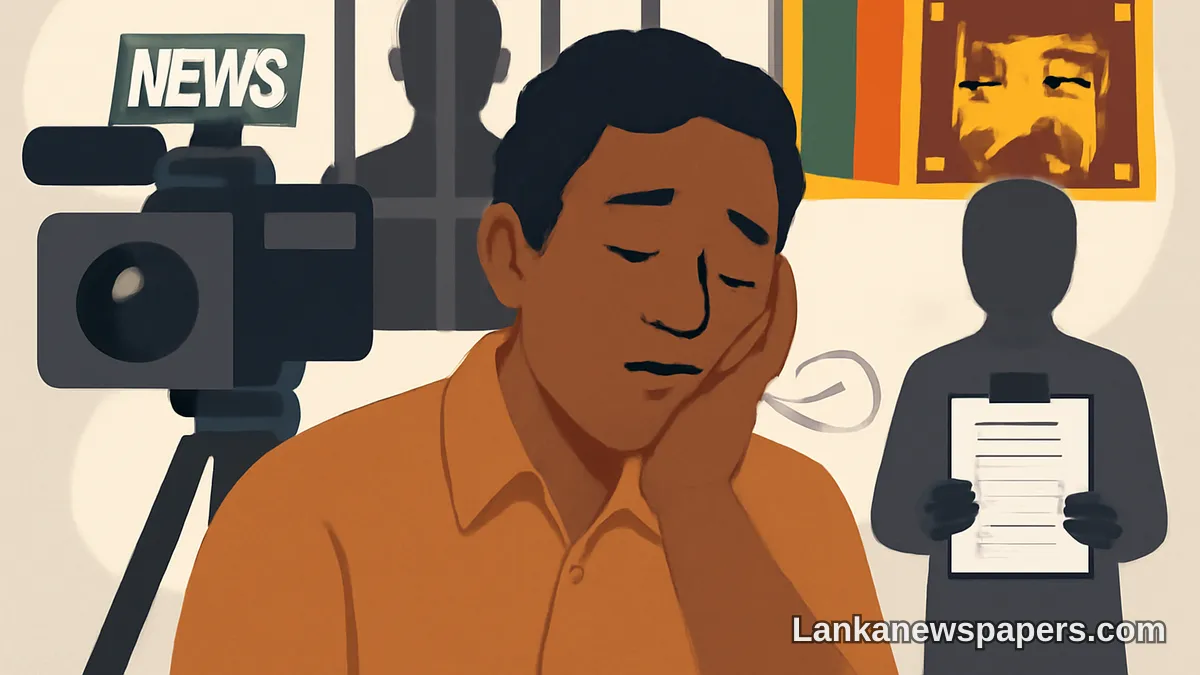
The recent convictions handed down in Sri Lanka related to long-standing war crimes allegations have been met with a sense of cautious relief among journalists and human rights observers who have spent years pressing for accountability.
A journalist commenting on the developments described the verdicts as bringing "sighs of relief" — a sentiment that reflects the frustration and exhaustion of those who have pursued justice through years of denial, delay, and political resistance.
A Long Road to Accountability
Sri Lanka's civil war, which ended in 2009 after nearly three decades of brutal conflict between government forces and the Liberation Tigers of Tamil Eelam (LTTE), left behind deep wounds and unresolved questions about atrocities committed by both sides. Allegations of extrajudicial killings, enforced disappearances, and attacks on civilians have haunted the country's post-war narrative ever since.
For many families of victims — particularly from the Tamil community in the north and east — the pursuit of justice has been a painful and often fruitless endeavour. Convictions of this nature, however limited in scope, represent a departure from the near-total impunity that has largely defined the post-war period.
Significance of the Verdicts
Observers note that while the convictions may not fully address the scale of alleged crimes committed during the final stages of the war, they carry significant symbolic weight. They signal at least some willingness within Sri Lanka's judicial system to hold individuals accountable — something that international bodies, including United Nations human rights mechanisms, have repeatedly called for.
The verdicts have been described as bringing "sighs of relief" by journalists who have closely followed the issue, suggesting a measured but meaningful acknowledgement that the legal process can, on occasion, deliver results.
International Scrutiny Remains
Sri Lanka continues to face scrutiny from the international community over its handling of wartime accountability. The United Nations Human Rights Council has previously passed resolutions urging Colombo to establish credible domestic mechanisms to investigate alleged violations — a demand successive Sri Lankan governments have resisted or only partially engaged with.
Rights groups have consistently argued that domestic processes alone are insufficient and that an independent international accountability mechanism is necessary to ensure genuine justice for victims and their families.
Cautious Optimism
While the convictions have been welcomed in some quarters, analysts caution against viewing them as a comprehensive resolution to Sri Lanka's accountability deficit. Many cases remain unresolved, and the broader structural and political barriers to transitional justice in the country have not been dismantled.
Nevertheless, for journalists, activists, and survivors who have kept the pressure alive over many years, the verdicts offer a moment — however brief — of hard-won relief.

💬 Join the Discussion 1
See what readers are saying — and add your view.
Finally some justice. took how many years though?